Sussex Neuroscience, School of Life Sciences, University of Sussex, Brighton, United Kingdom.
TReND in Africa, Brighton, United Kingdom.
PLoS Biol. 2020 Apr 24;18(4):e3000730. doi: 10.1371/journal.pbio.3000730. eCollection 2020 Apr.
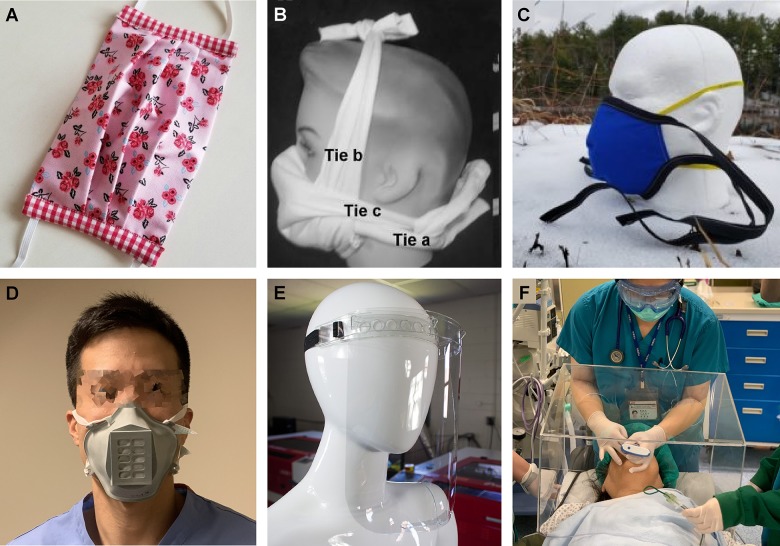
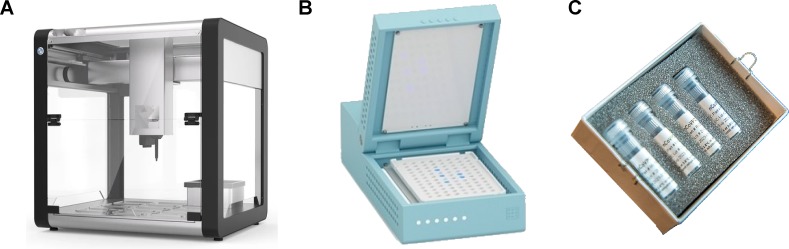
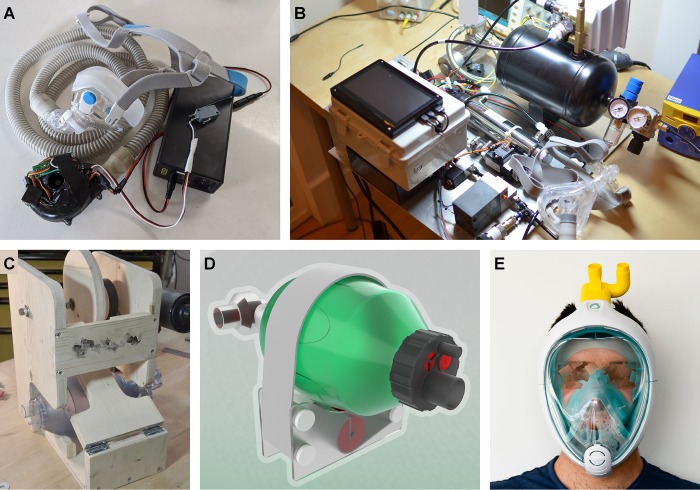
With the current rapid spread of COVID-19, global health systems are increasingly overburdened by the sheer number of people that need diagnosis, isolation and treatment. Shortcomings are evident across the board, from staffing, facilities for rapid and reliable testing to availability of hospital beds and key medical-grade equipment. The scale and breadth of the problem calls for an equally substantive response not only from frontline workers such as medical staff and scientists, but from skilled members of the public who have the time, facilities and knowledge to meaningfully contribute to a consolidated global response. Here, we summarise community-driven approaches based on Free and Open Source scientific and medical Hardware (FOSH) as well as personal protective equipment (PPE) currently being developed and deployed to support the global response for COVID-19 prevention, patient treatment and diagnostics.
随着 COVID-19 的迅速传播,全球卫生系统面临着越来越大的压力,需要对大量需要诊断、隔离和治疗的患者进行处理。从人员配备、快速可靠检测设施到医院床位和关键医疗设备的供应,各个方面都存在明显的不足。这个问题的规模和范围需要一个同样实质性的回应,不仅需要来自医疗人员和科学家等一线工作人员,还需要来自有时间、设施和知识的有技能的公众,以便为全球应对工作做出有意义的贡献。在这里,我们总结了基于免费和开源科学和医疗硬件(FOSH)以及个人防护设备(PPE)的社区驱动方法,这些方法目前正在开发和部署中,以支持全球对 COVID-19 的预防、患者治疗和诊断的应对。