Tornesello Anna Lucia, Tagliamonte Maria, Tornesello Maria Lina, Buonaguro Franco M, Buonaguro Luigi
Molecular Biology and Viral Oncology Unit, Istituto Nazionale Tumori IRCCS "Fondazione G. Pascale", via Mariano Semmola, 80131 Napoli, Italy.
Innovative Immunological Models, Istituto Nazionale Tumori IRCCS "Fondazione G. Pascale", via Mariano Semmola, 80131 Napoli, Italy.
Cancers (Basel). 2020 Apr 23;12(4):1049. doi: 10.3390/cancers12041049.
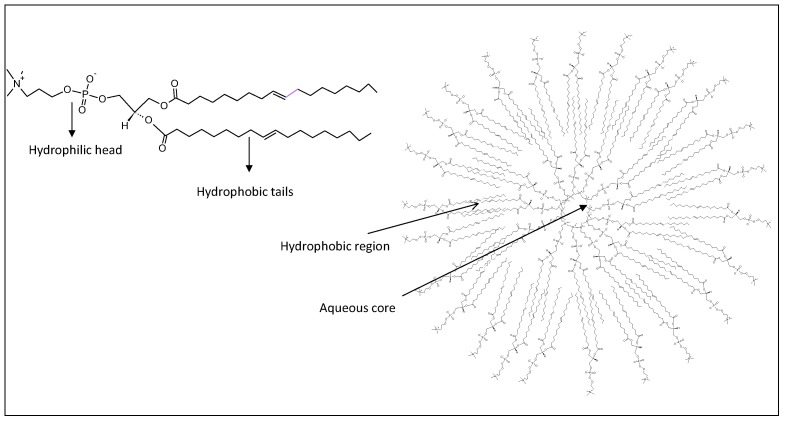
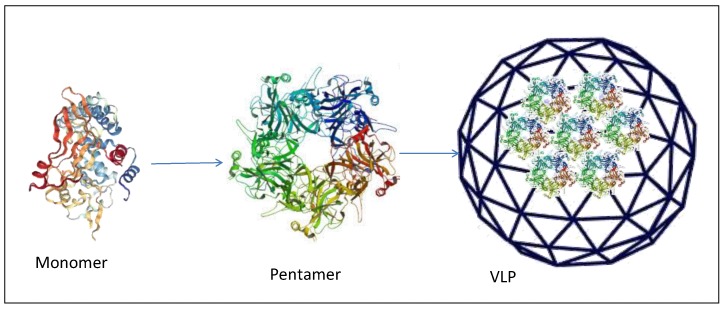
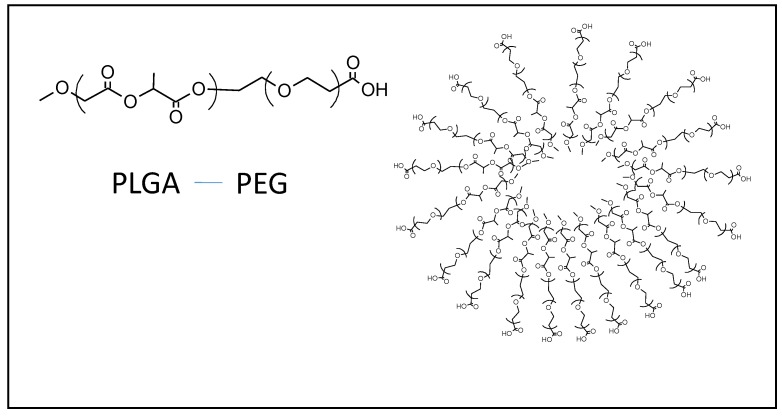
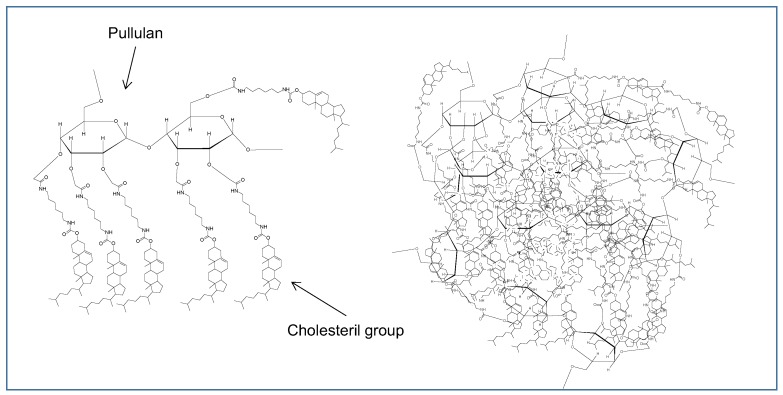
Nanoparticles represent a potent antigen presentation and delivery system to elicit an optimal immune response by effector cells targeting tumor-associated antigens expressed by cancer cells. Many types of nanoparticles have been developed, such as polymeric complexes, liposomes, micelles and protein-based structures such as virus like particles. All of them show promising results for immunotherapy approaches. In particular, the immunogenicity of peptide-based cancer vaccines can be significantly potentiated by nanoparticles. Indeed, nanoparticles are able to enhance the targeting of antigen-presenting cells (APCs) and trigger cytokine production for optimal T cell response. The present review summarizes the categories of nanoparticles and peptide cancer vaccines which are currently under pre-clinical evaluation.
纳米颗粒是一种强大的抗原呈递和递送系统,可通过效应细胞靶向癌细胞表达的肿瘤相关抗原,引发最佳免疫反应。已开发出多种类型的纳米颗粒,如聚合物复合物、脂质体、胶束以及基于蛋白质的结构,如病毒样颗粒。它们在免疫治疗方法中均显示出有前景的结果。特别是,基于肽的癌症疫苗的免疫原性可通过纳米颗粒显著增强。实际上,纳米颗粒能够增强抗原呈递细胞(APC)的靶向作用,并触发细胞因子产生,以实现最佳的T细胞反应。本综述总结了目前正在进行临床前评估的纳米颗粒和肽类癌症疫苗的类别。