Department of Biomedical Engineering, School of Life Science, Beijing Institute of technology, 5 South Zhongguancun Street, Beijing, 100081, China.
Department of Neurology, Xuanwu hospital of Capital Medical University, No.45 Street Changchun, District Xichen, Beijing, 100053, China.
Brain Imaging Behav. 2020 Dec;14(6):2692-2707. doi: 10.1007/s11682-019-00220-6.
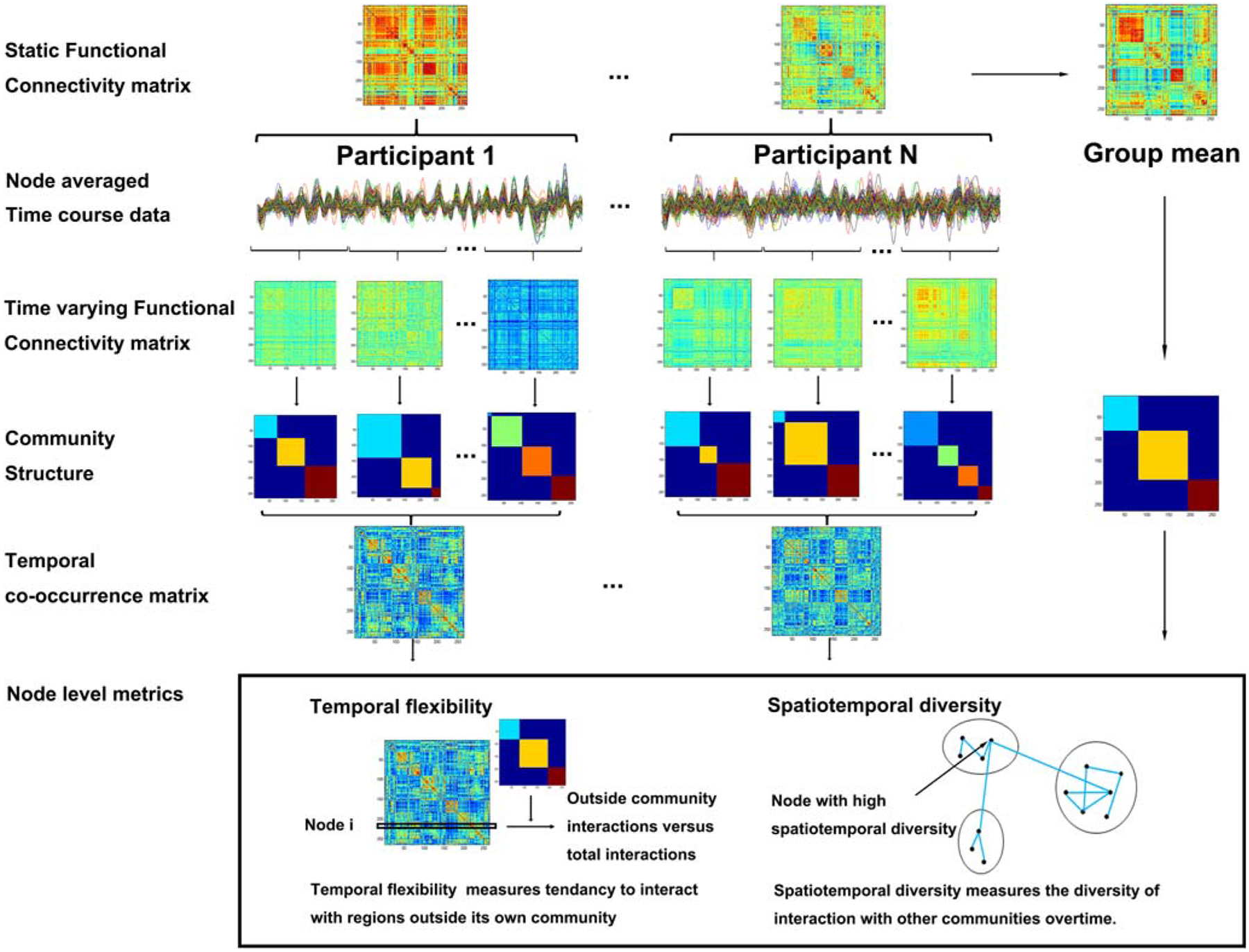
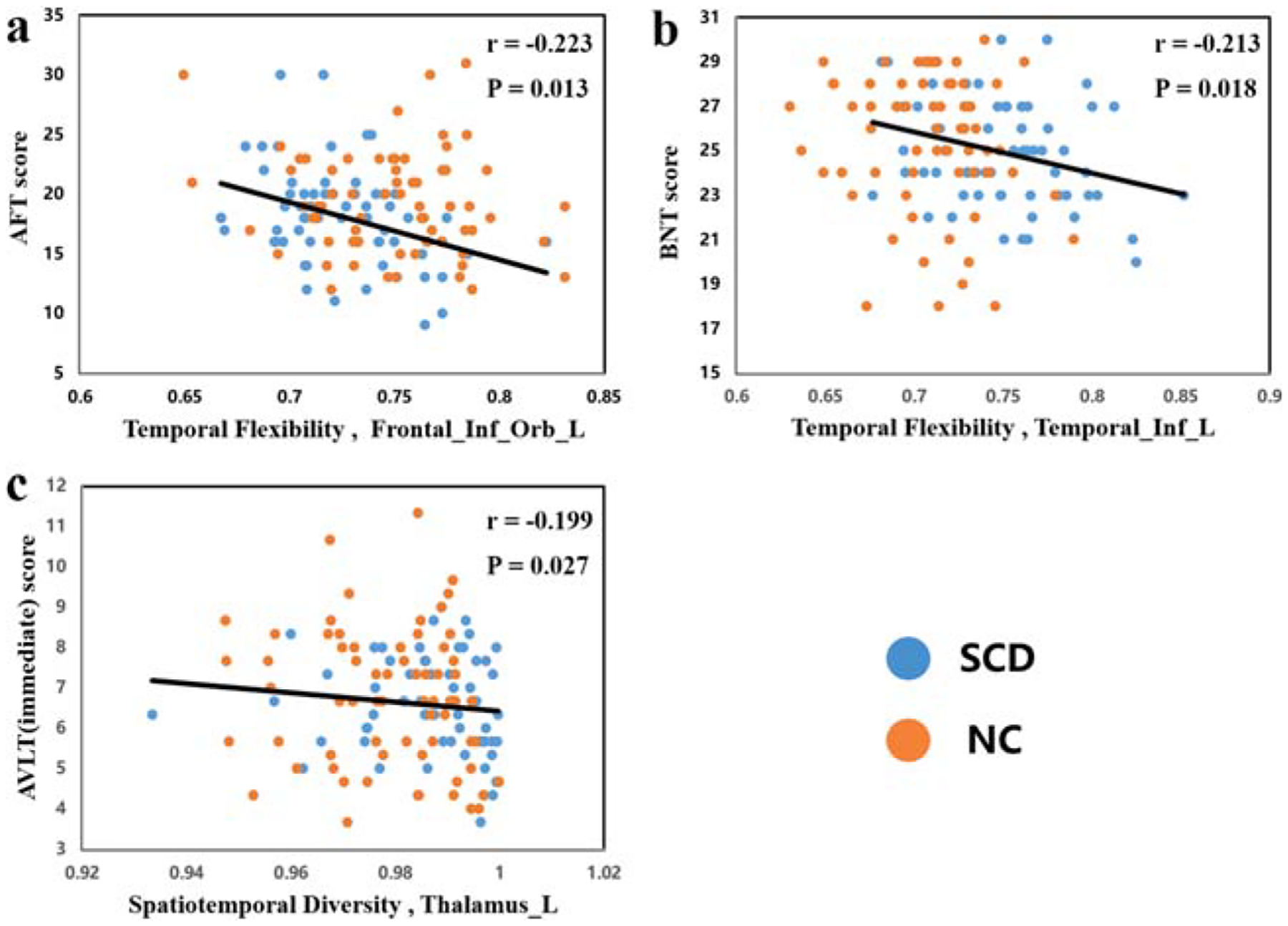
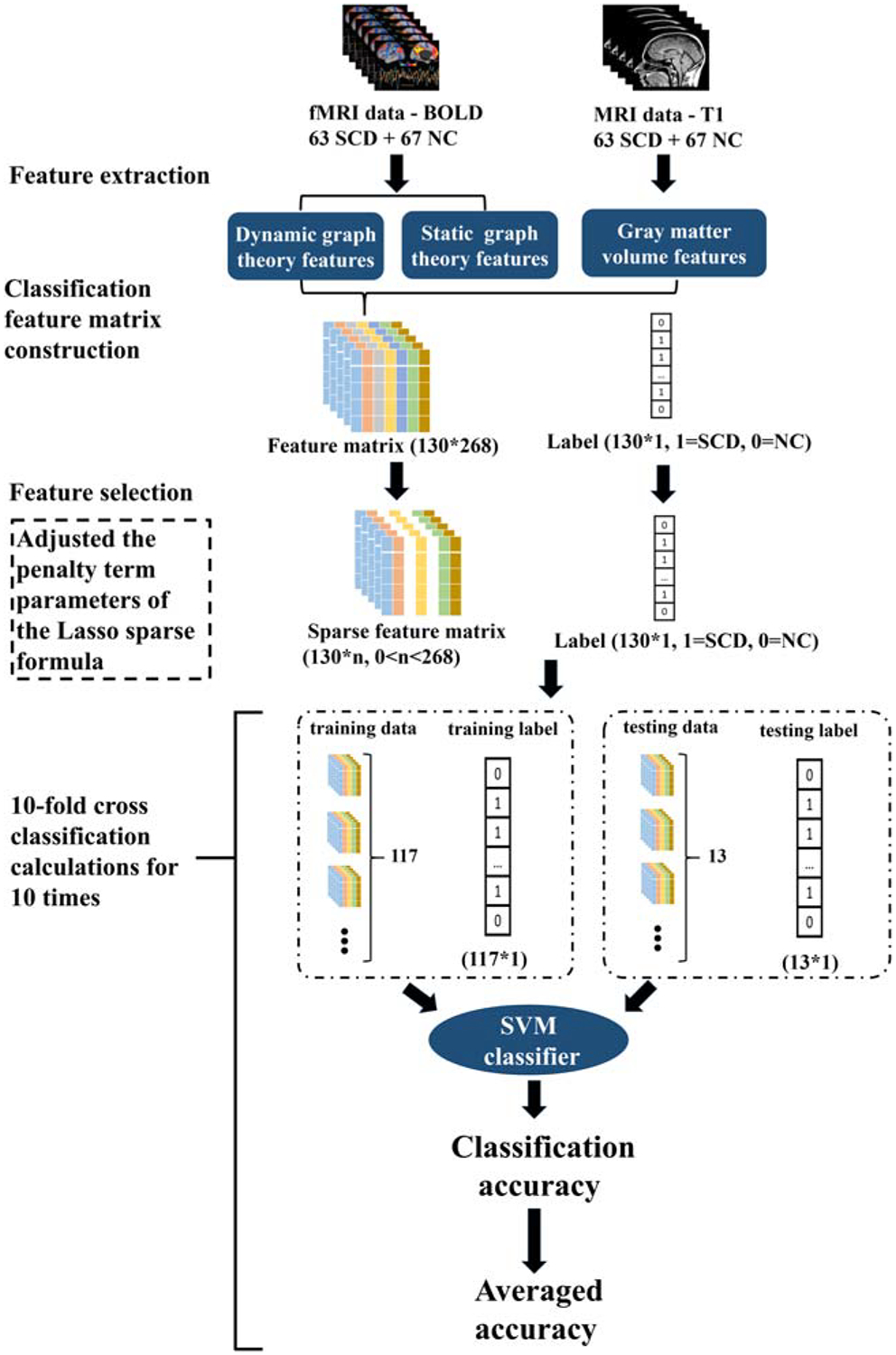
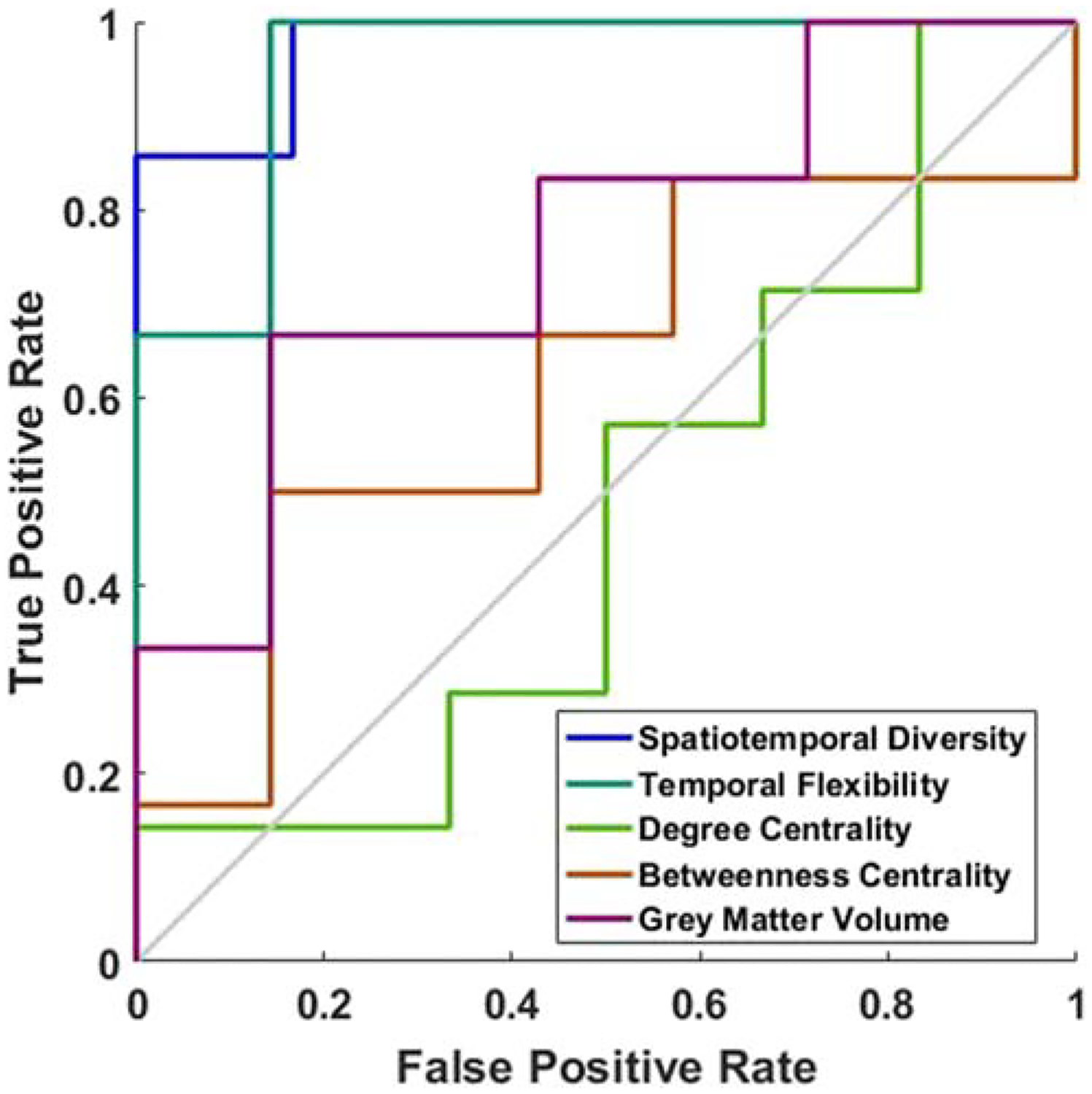
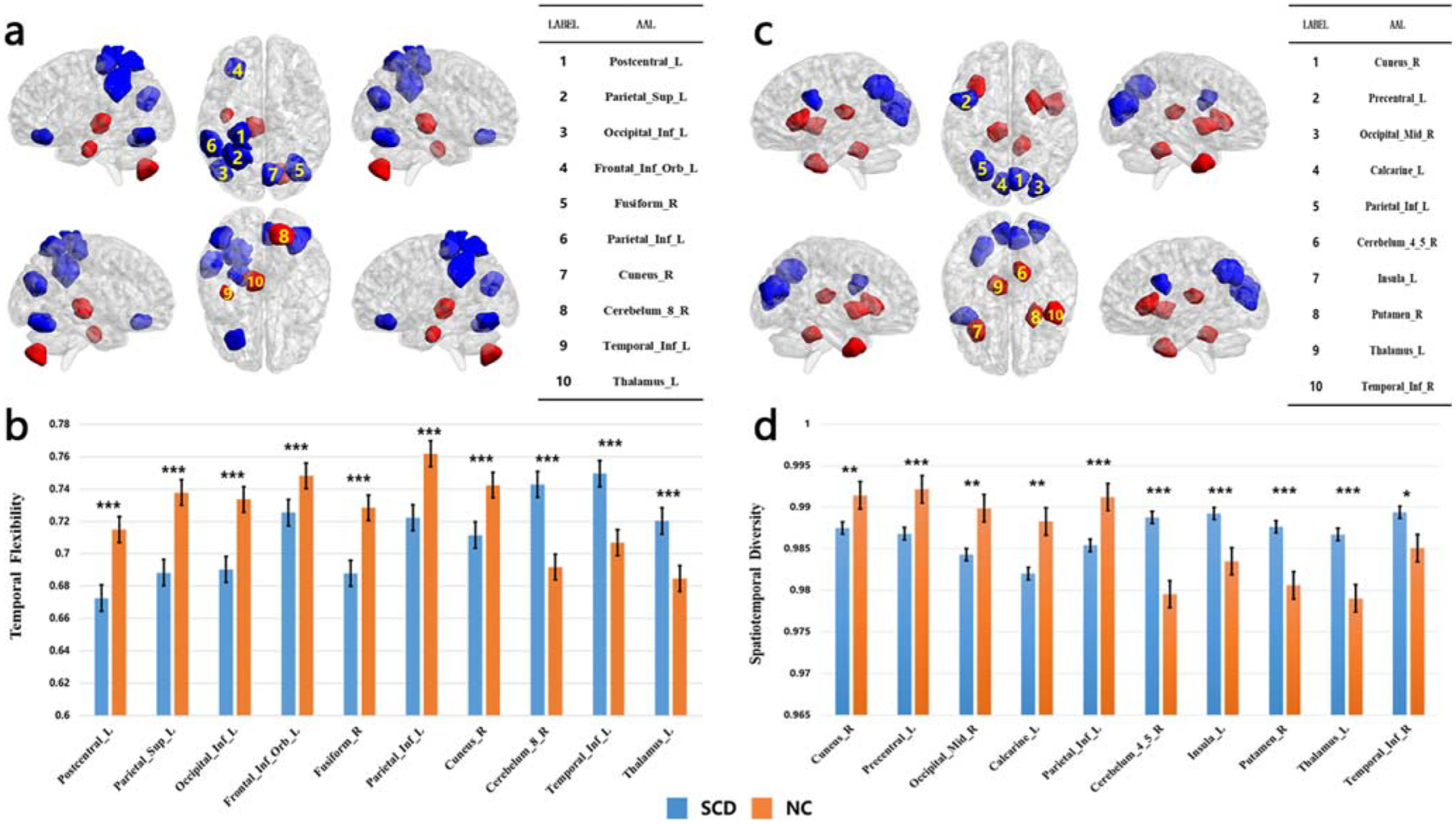
Subjective cognitive decline (SCD) is the preclinical stage of Alzheimer's disease (AD), the most common neurodegenerative disease in the elderly. We collected resting-state functional MRI data and applied novel graph-theoretical analyses to investigate the dynamic spatiotemporal cerebral connectivities in 63 individuals with SCD and 67 normal controls (NC). Temporal flexibility and spatiotemporal diversity were mapped to reflect dynamic time-varying functional interactions among the brain regions within and outside communities. Temporal flexibility indicates how frequently a brain region interacts with regions of other communities across time; spatiotemporal diversity describes how evenly a brain region interacts with regions belonging to other communities. SCD and NC differed in large-scale brain dynamics characterized by the two measures, which, with support vector machine, demonstrated higher classification accuracies than conventional static parameters and structural metrics. The findings characterize dynamic network dysfunction that may serve as a biomarker of the preclinical stage of AD.
主观认知下降(SCD)是阿尔茨海默病(AD)的临床前阶段,是老年人中最常见的神经退行性疾病。我们收集了静息态功能磁共振成像数据,并应用新的图论分析方法研究了 63 名 SCD 患者和 67 名正常对照(NC)个体的动态时空大脑连接。时间灵活性和时空多样性被映射出来,以反映脑区之间在社区内和社区间的动态时变功能相互作用。时间灵活性表示一个脑区与其他脑区相互作用的频率;时空多样性描述了一个脑区与属于其他社区的脑区相互作用的均匀程度。SCD 和 NC 在以这两个测度为特征的大脑整体动力学方面存在差异,支持向量机分类准确率高于传统的静态参数和结构测度。这些发现描述了动态网络功能障碍,它可能作为 AD 临床前阶段的生物标志物。