Li Zhiqiang, Li Zhijian, Huang Yue, Jiang Yunchuan, Liu Yongfu, Wen Wen, Li Hanhan, Shao Jirong, Wang Chenglong, Zhu Xuemei
College of Environmental Science, Sichuan Agricultural University, Chengdu 611130, China.
College of Life Science, Sichuan Agricultural University, Yaan 625014 China.
ACS Omega. 2020 Apr 22;5(17):9724-9732. doi: 10.1021/acsomega.9b04007. eCollection 2020 May 5.
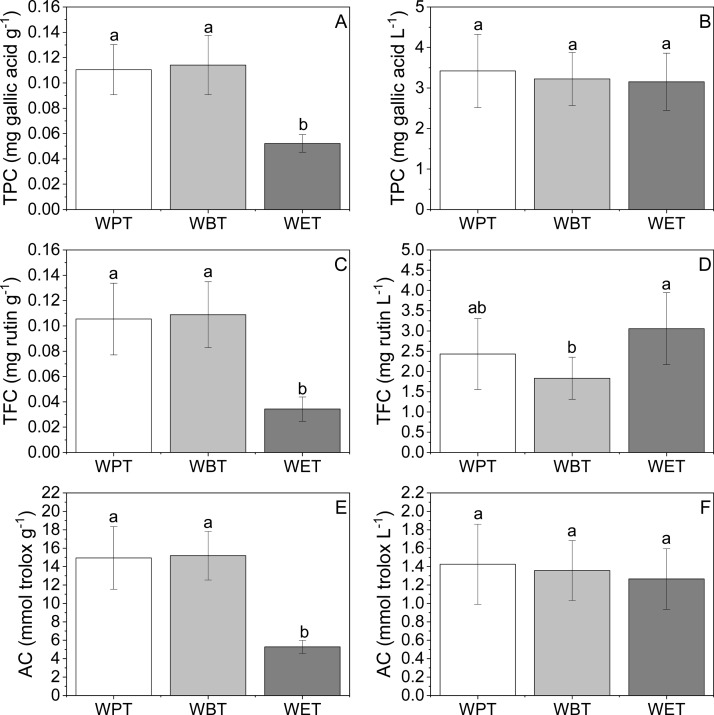
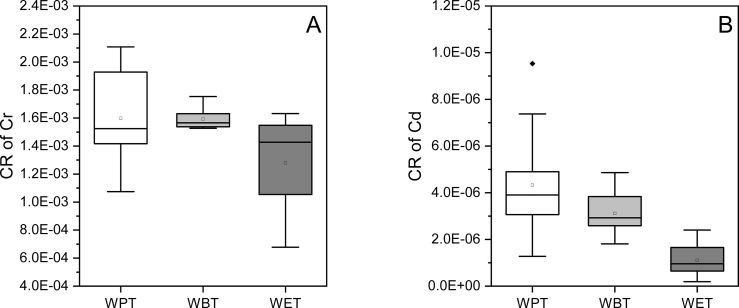
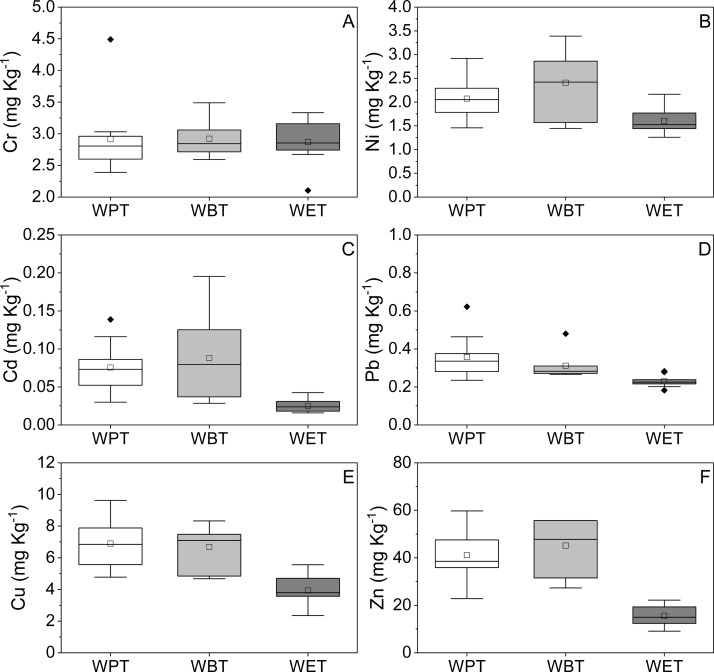
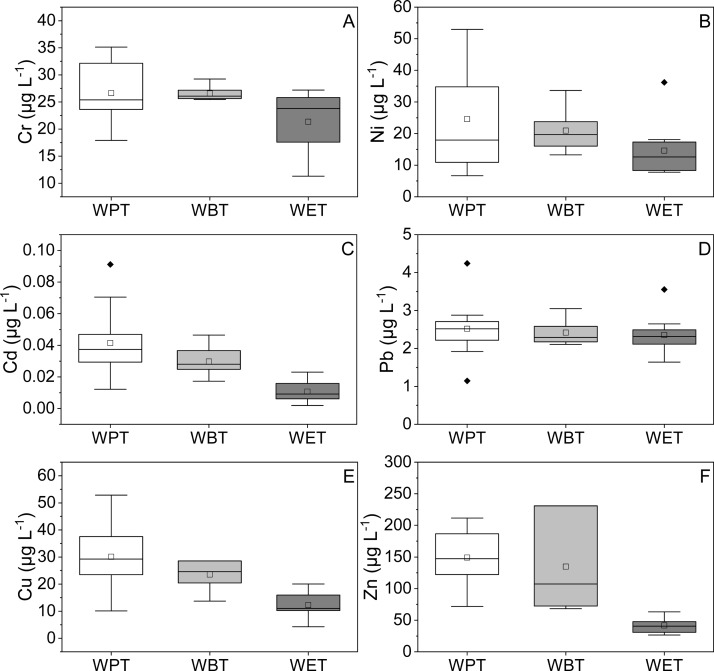
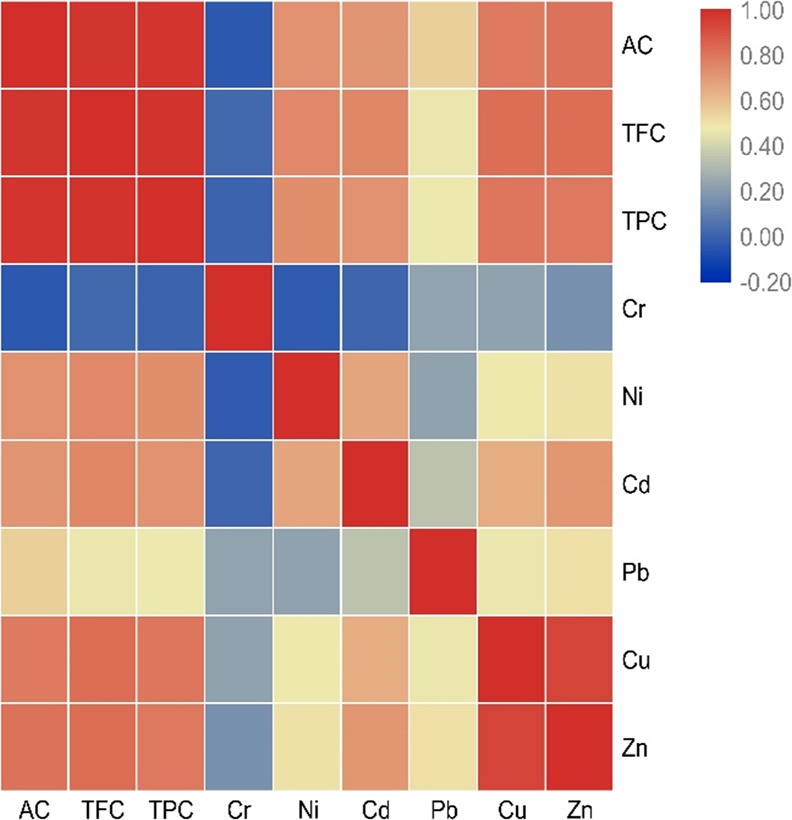
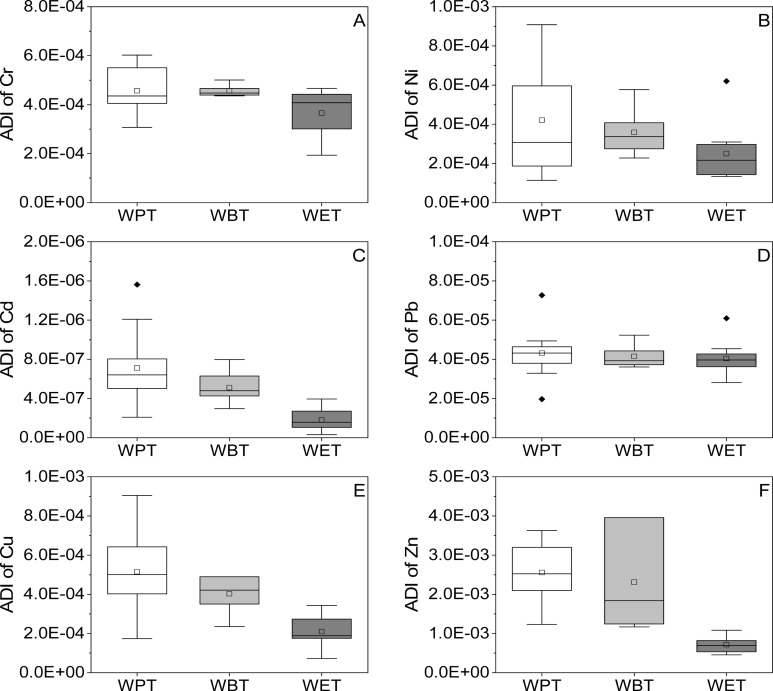
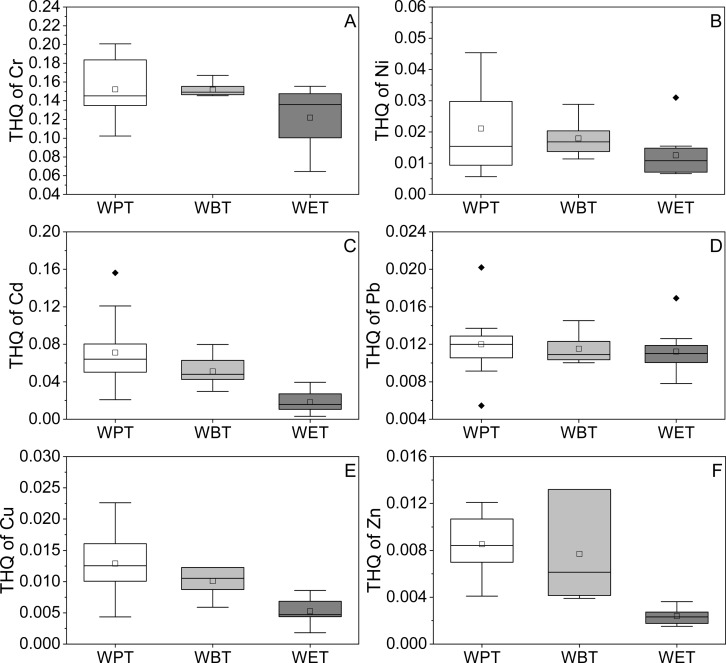
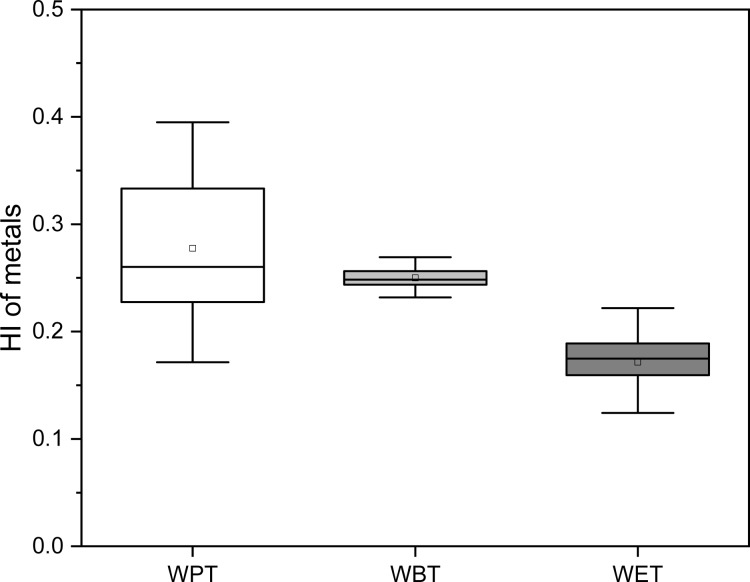
Tartary buckwheat tea (TBT) is the most popular and widely consumed buckwheat product in many countries. However, the perfect quality control standards for TBT were still lacking, and the content of heavy metals in TBT and their health risks to consumers were still unknown. In this research, the total phenolic content, total flavonoid content, and antioxidant capacity as well as six metal contents and their health risks in TBT were detected. The results showed that the total phenolic content, total flavonoid content, and antioxidant capacity varied significantly among different types of TBT. Meanwhile, six metal concentrations in TBT leaves and infusions decreased in the order of Zn, Cu, Cr, Ni, Pb, and Cd. Health risk assessment indicated that the heavy metal intake only from TBT would not cause a noncarcinogenic risk to consumers. However, a strong carcinogenic risk of Cr in TBT for consumers should be paid more attention.
苦荞茶(TBT)是许多国家最受欢迎且消费广泛的荞麦制品。然而,苦荞茶仍缺乏完善的质量控制标准,其重金属含量及其对消费者的健康风险仍不明确。本研究检测了苦荞茶中的总酚含量、总黄酮含量、抗氧化能力以及六种金属含量及其健康风险。结果表明,不同类型的苦荞茶中总酚含量、总黄酮含量和抗氧化能力差异显著。同时,苦荞茶叶片和茶汤中的六种金属浓度依次为锌、铜、铬、镍、铅和镉。健康风险评估表明,仅从苦荞茶摄入重金属不会对消费者造成非致癌风险。然而,应更多关注苦荞茶中铬对消费者的强致癌风险。