Luthar Zlata, Golob Aleksandra, Germ Mateja, Vombergar Blanka, Kreft Ivan
Biotechnical Faculty, University of Ljubljana, SI-1000 Ljubljana, Slovenia.
The Education Centre Piramida Maribor, SI-2000 Maribor, Slovenia.
Plants (Basel). 2021 Apr 5;10(4):700. doi: 10.3390/plants10040700.
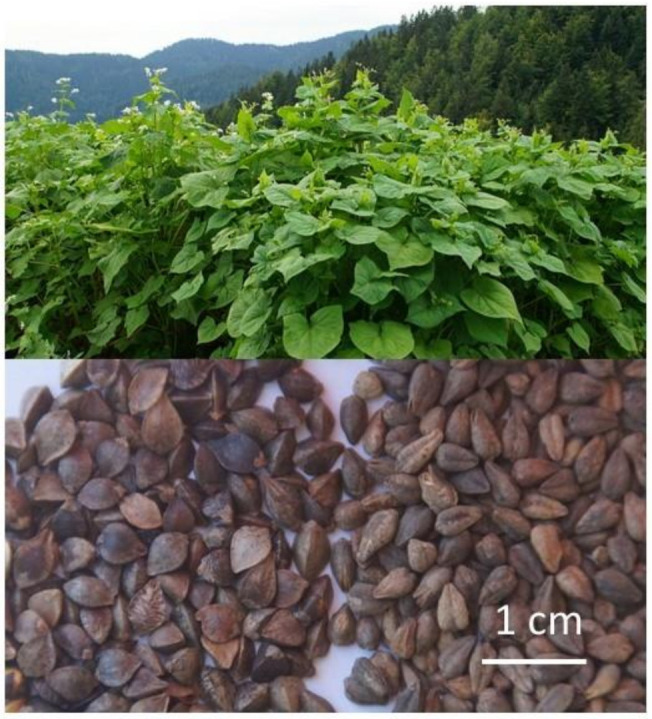
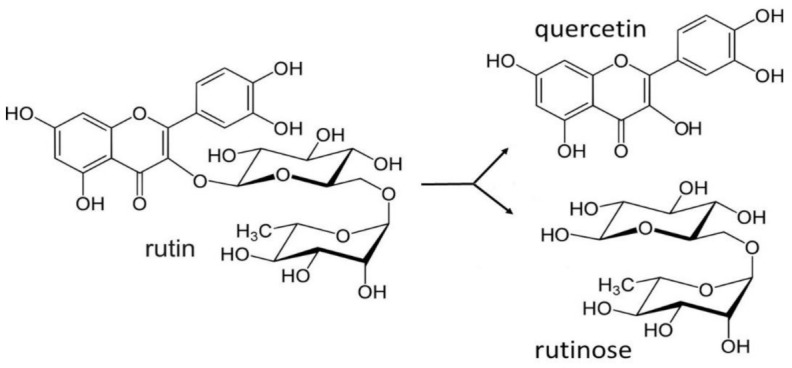
Tartary buckwheat ( Gaertn.) originates in mountain areas of western China, and it is mainly cultivated in China, Bhutan, northern India, Nepal, and central Europe. Tartary buckwheat shows greater cold resistance than common buckwheat, and has traits for drought tolerance. Buckwheat can provide health benefits due to its contents of resistant starch, mineral elements, proteins, and in particular, phenolic substances, which prevent the effects of several chronic human diseases, including hypertension, obesity, cardiovascular diseases, and gallstone formation. The contents of the flavonoids rutin and quercetin are very variable among Tartary buckwheat samples from different origins and parts of the plants. Quercetin is formed after the degradation of rutin by the Tartary buckwheat enzyme rutinosidase, which mainly occurs after grain milling during mixing of the flour with water. High temperature treatments of wet Tartary buckwheat material prevent the conversion of rutin to quercetin.
苦荞麦(Gaertn.)原产于中国西部山区,主要在中国、不丹、印度北部、尼泊尔和中欧种植。苦荞麦比普通荞麦表现出更强的抗寒性,并且具有耐旱特性。由于其含有抗性淀粉、矿物质元素、蛋白质,特别是酚类物质,苦荞麦对健康有益,这些物质可预防包括高血压、肥胖症、心血管疾病和胆结石形成在内的多种慢性人类疾病。来自不同产地和植物部位的苦荞麦样品中,黄酮类化合物芦丁和槲皮素的含量差异很大。槲皮素是由苦荞麦中的芦丁酶将芦丁降解后形成的,这一过程主要发生在谷物研磨后,面粉与水混合时。对湿苦荞麦原料进行高温处理可防止芦丁转化为槲皮素。