Department of Neurobiology, Harvard Medical School, Boston, MA 02115.
Division of Newborn Medicine, Department of Medicine, Boston Children's Hospital, Boston, MA 02115.
Proc Natl Acad Sci U S A. 2020 May 26;117(21):11744-11752. doi: 10.1073/pnas.1920433117. Epub 2020 May 13.
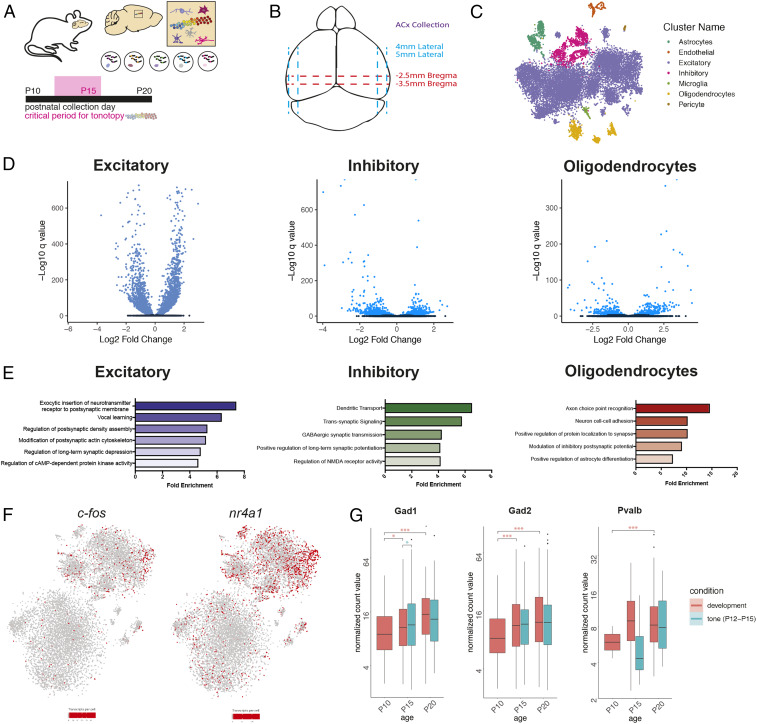
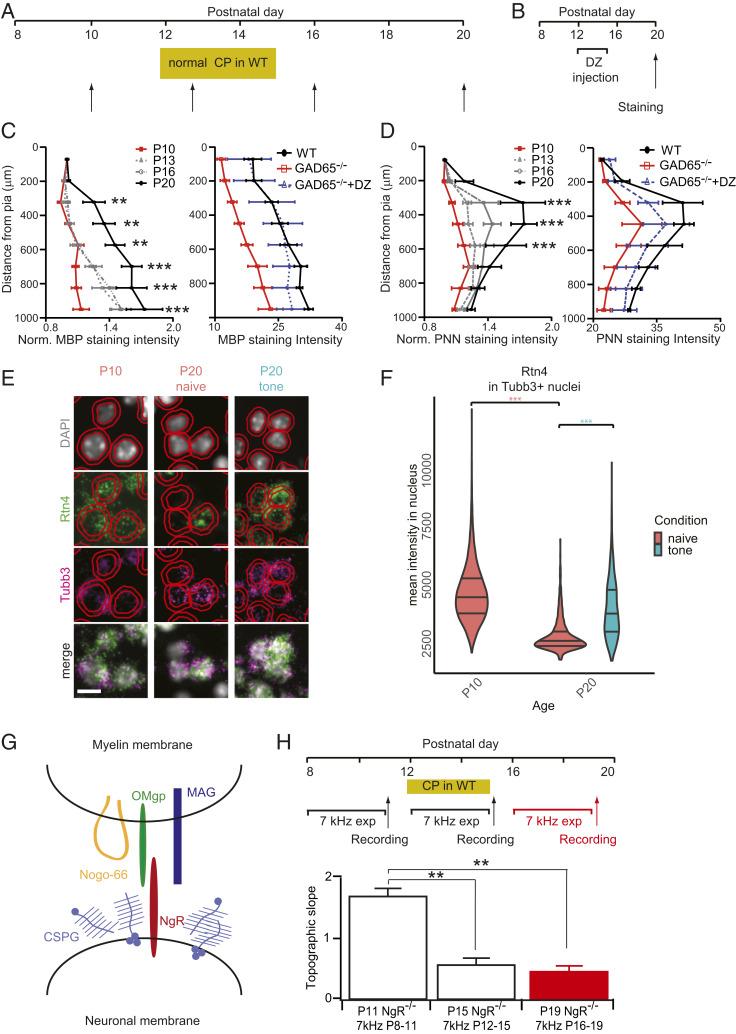
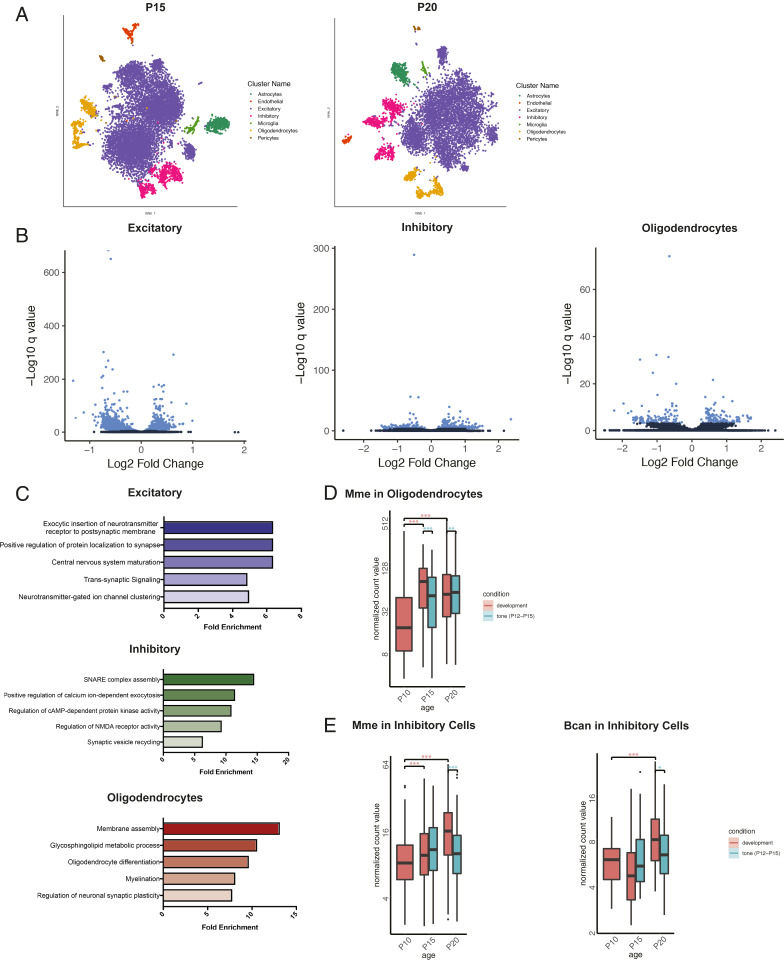
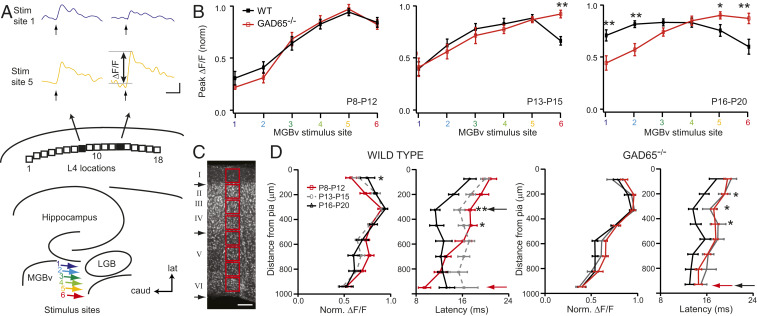
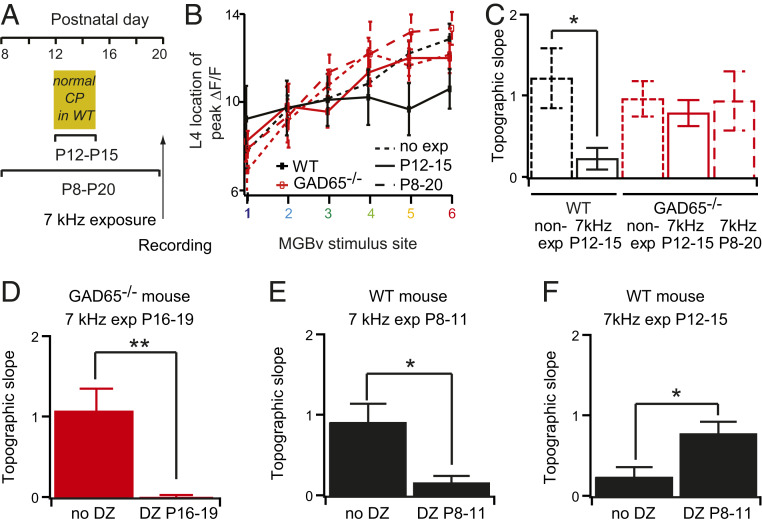
Auditory experience drives neural circuit refinement during windows of heightened brain plasticity, but little is known about the genetic regulation of this developmental process. The primary auditory cortex (A1) of mice exhibits a critical period for thalamocortical connectivity between postnatal days P12 and P15, during which tone exposure alters the tonotopic topography of A1. We hypothesized that a coordinated, multicellular transcriptional program governs this window for patterning of the auditory cortex. To generate a robust multicellular map of gene expression, we performed droplet-based, single-nucleus RNA sequencing (snRNA-seq) of A1 across three developmental time points (P10, P15, and P20) spanning the tonotopic critical period. We also tone-reared mice (7 kHz pips) during the 3-d critical period and collected A1 at P15 and P20. We identified and profiled both neuronal (glutamatergic and GABAergic) and nonneuronal (oligodendrocytes, microglia, astrocytes, and endothelial) cell types. By comparing normal- and tone-reared mice, we found hundreds of genes across cell types showing altered expression as a result of sensory manipulation during the critical period. Functional voltage-sensitive dye imaging confirmed GABA circuit function determines critical period onset, while Nogo receptor signaling is required for its closure. We further uncovered previously unknown effects of developmental tone exposure on trajectories of gene expression in interneurons, as well as candidate genes that might execute tonotopic plasticity. Our single-nucleus transcriptomic resource of developing auditory cortex is thus a powerful discovery platform with which to identify mediators of tonotopic plasticity.
听觉体验在大脑高度可塑性的窗口期驱动神经回路的精细化,但关于这个发育过程的遗传调控知之甚少。小鼠的初级听觉皮层 (A1) 在出生后第 12 天至第 15 天之间表现出丘脑皮质连接的关键期,在此期间,声音暴露会改变 A1 的音调拓扑结构。我们假设一个协调的、多细胞转录程序控制着听觉皮层的模式形成窗口。为了生成一个强大的多细胞基因表达图谱,我们在跨越音调关键期的三个发育时间点 (P10、P15 和 P20) 对 A1 进行了基于液滴的单细胞 RNA 测序 (snRNA-seq)。我们还在关键期的 3 天内对小鼠进行了音调培养 (7 kHz 脉冲),并在 P15 和 P20 收集了 A1。我们鉴定和分析了神经元 (谷氨酸能和 GABA 能) 和非神经元 (少突胶质细胞、小胶质细胞、星形胶质细胞和内皮细胞) 细胞类型。通过比较正常和音调培养的小鼠,我们发现数百个细胞类型中的基因由于关键期期间的感觉处理而表达改变。功能性电压敏感染料成像证实 GABA 回路功能决定了关键期的开始,而 Nogo 受体信号对于其关闭是必需的。我们进一步揭示了发育性音调暴露对中间神经元基因表达轨迹的先前未知影响,以及可能执行音调可塑性的候选基因。因此,我们发育中的听觉皮层的单细胞转录组资源是一个强大的发现平台,可以用来识别音调可塑性的介导物。