College of Landscape and Ecological Engineering, Hebei University of Engineering, No.19 Taiji Road, Economic and technological development area, Handan, 056038, Hebei, China.
Institute of New Energy and Low-carbon Technology, Sichuan University, Chuanda Road, Shuangliu district, Chengdu, 610207, Sichuan, China.
BMC Plant Biol. 2020 May 25;20(1):233. doi: 10.1186/s12870-020-02441-0.
Tobacco seed oil could be used as an appropriate feedstock for biodiesel production. However, the high linoleic acid content of tobacco seed oil makes it susceptible to oxidation. Altering the fatty acid profile by increasing the content of oleic acid could improve the properties of biodiesel produced from tobacco seed oil.
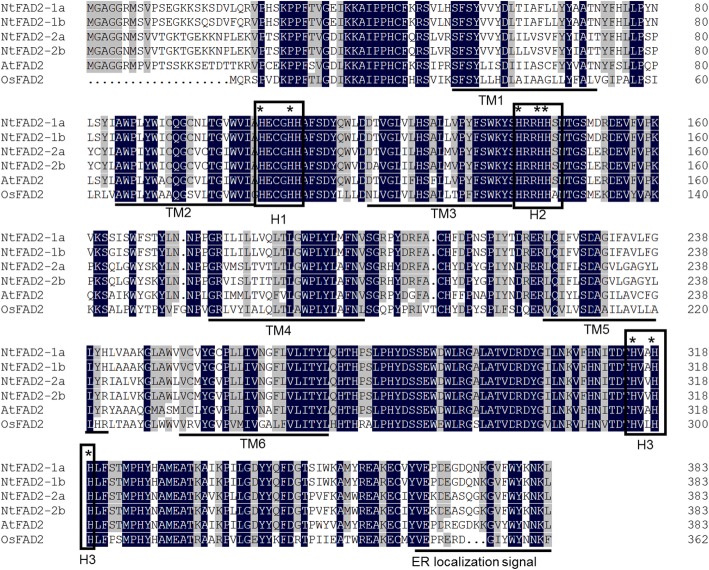
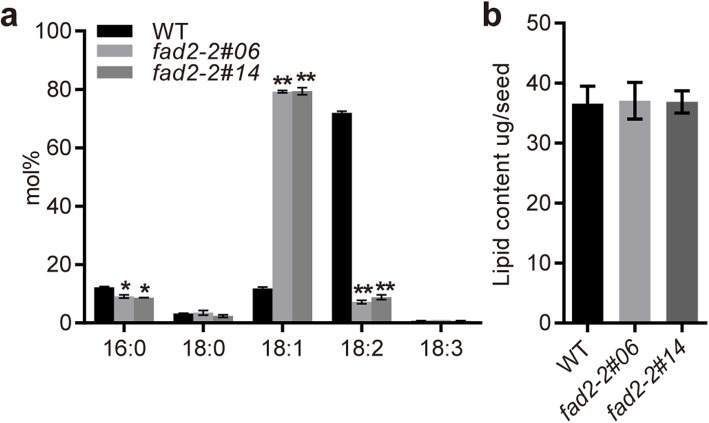
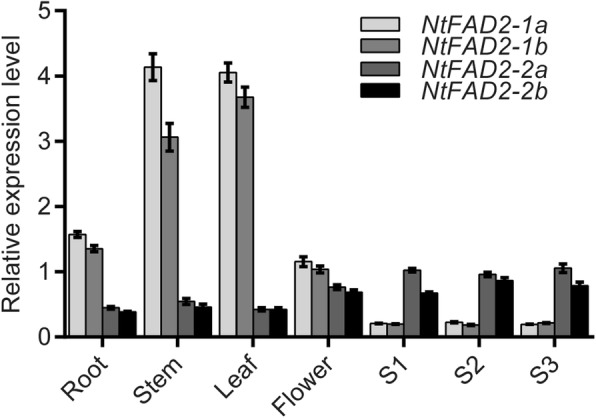
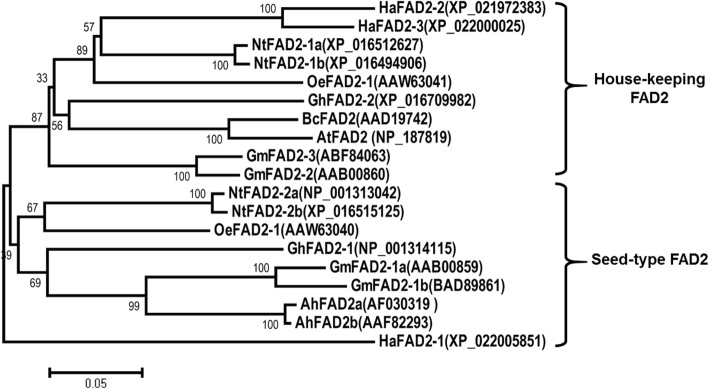
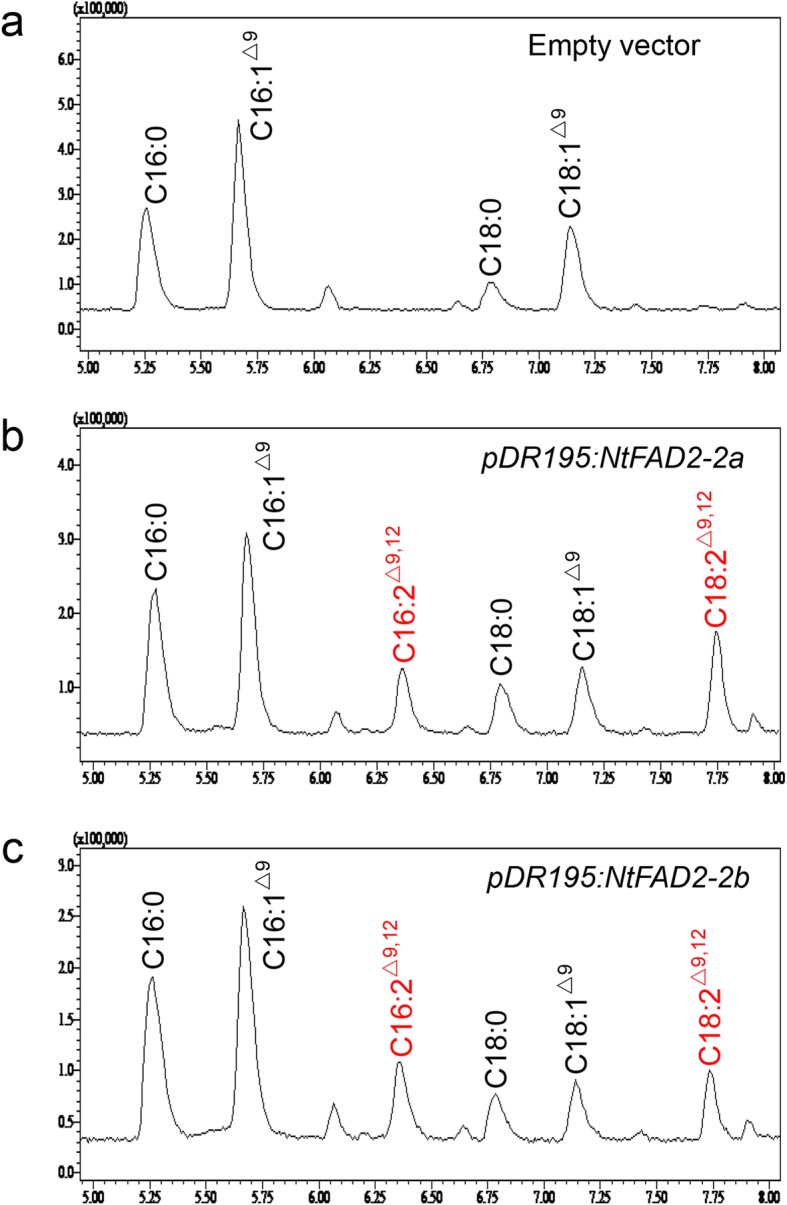
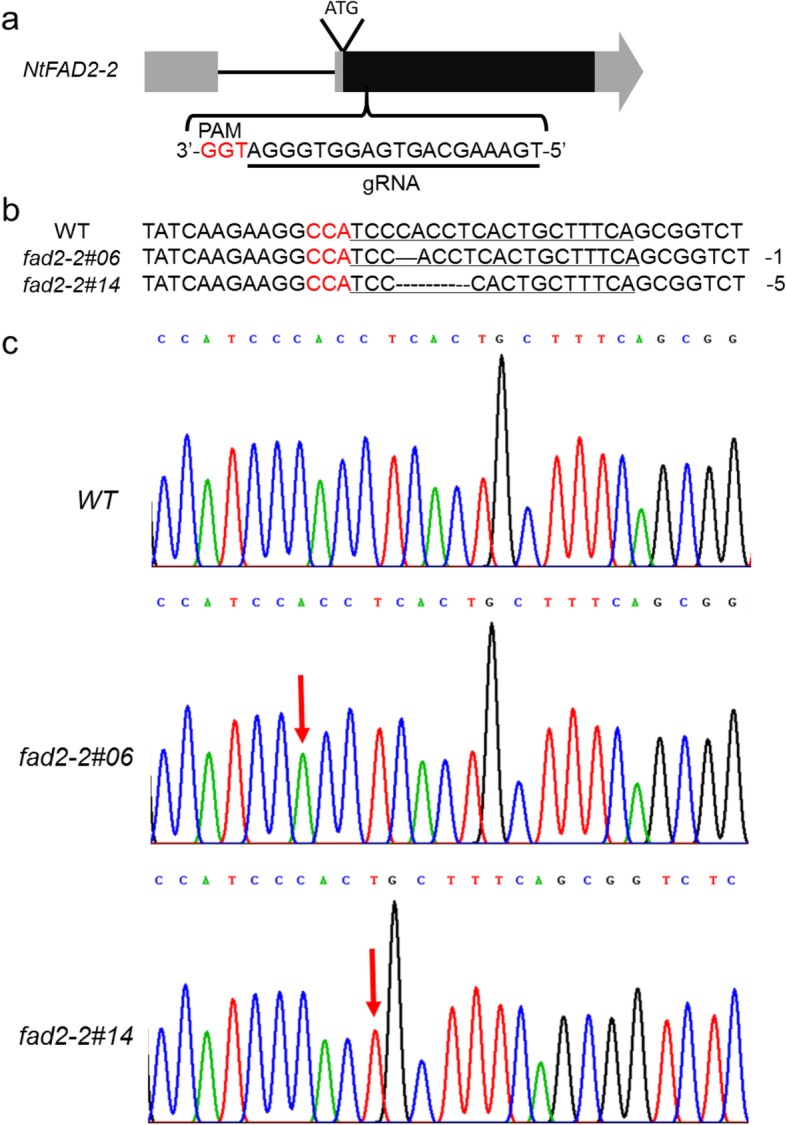
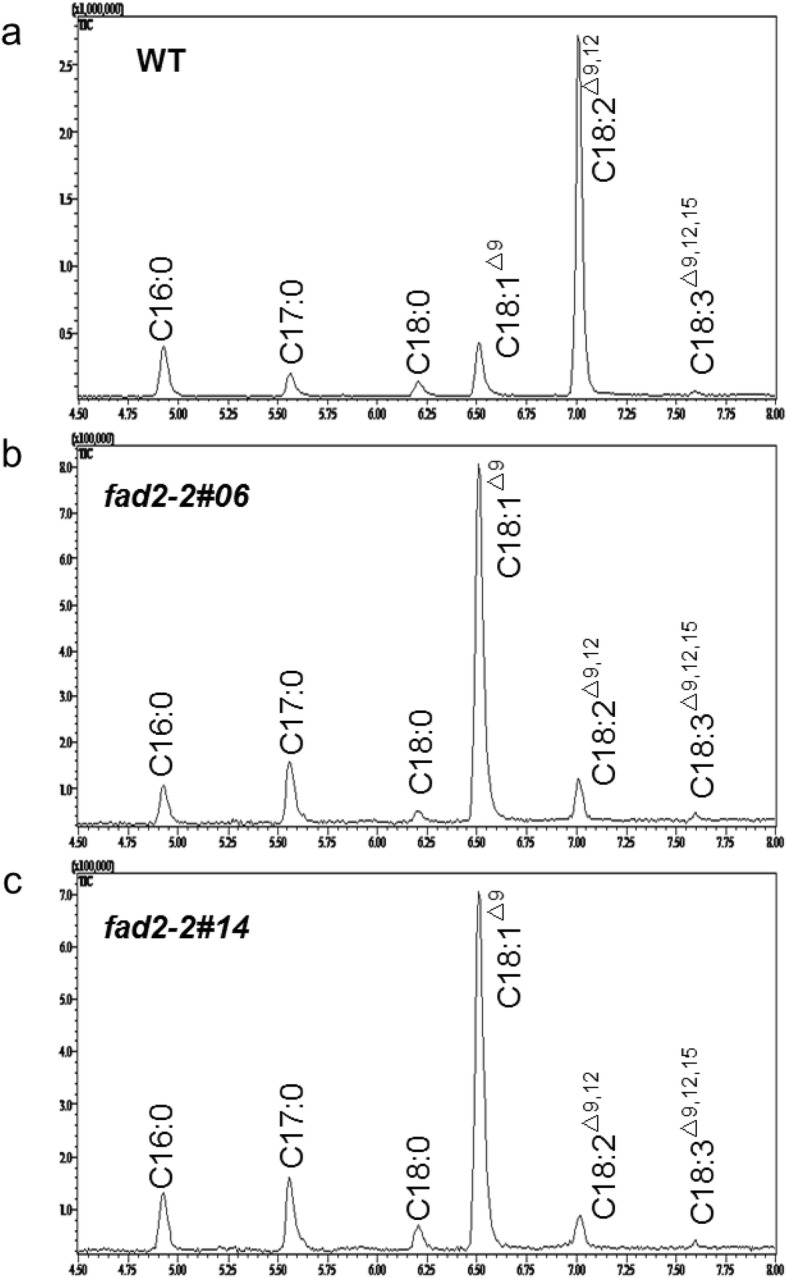
Four FAD2 genes, NtFAD2-1a, NtFAD2-1b, NtFAD2-2a, and NtFAD2-2b, were identified in allotetraploid tobacco genome. Phylogenetic analysis of protein sequences showed that NtFAD2-1a and NtFAD2-2a originated from N. tomentosiformis, while NtFAD2-1b and NtFAD2-2b from N. sylvestris. Expression analysis revealed that NtFAD2-2a and NtFAD2-2b transcripts were more abundant in developing seeds than in other tissues, while NtFAD2-1a and NtFAD2-1b showed low transcript levels in developing seed. Phylogenic analysis showed that NtFAD2-2a and NtFAD2-2b were seed-type FAD2 genes. Heterologous expression in yeast cells demonstrated that both NtFAD2-2a and NtFAD2-2b protein could introduce a double bond at the Δ position of fatty acid chain. The fatty acid profile analysis of tobacco fad2-2 mutant seeds derived from CRISPR-Cas9 edited plants showed dramatic increase of oleic acid content from 11% to over 79%, whereas linoleic acid decreased from 72 to 7%. In addition, the fatty acid composition of leaf was not affected in fad2-2 mutant plants.
Our data showed that knockout of seed-type FAD2 genes in tobacco could significantly increase the oleic acid content in seed oil. This research suggests that CRISPR-Cas9 system offers a rapid and highly efficient method in the tobacco seed lipid engineering programs.
烟草籽油可用作生物柴油生产的合适原料。然而,烟草籽油中高含量的亚油酸使其容易氧化。通过增加油酸的含量来改变脂肪酸组成,可以改善烟草籽油生物柴油的性能。
在四倍体烟草基因组中鉴定出 4 个 FAD2 基因,分别为 NtFAD2-1a、NtFAD2-1b、NtFAD2-2a 和 NtFAD2-2b。蛋白质序列的系统发育分析表明,NtFAD2-1a 和 NtFAD2-2a 来源于 N. tomentosiformis,而 NtFAD2-1b 和 NtFAD2-2b 来源于 N. sylvestris。表达分析显示,NtFAD2-2a 和 NtFAD2-2b 在发育中的种子中比其他组织中转录本更为丰富,而 NtFAD2-1a 和 NtFAD2-1b 在发育中的种子中转录本水平较低。系统发育分析表明,NtFAD2-2a 和 NtFAD2-2b 是种子型 FAD2 基因。在酵母细胞中的异源表达表明,NtFAD2-2a 和 NtFAD2-2b 蛋白均可在脂肪酸链的 Δ 位置引入双键。来自 CRISPR-Cas9 编辑植物的烟草 fad2-2 突变体种子的脂肪酸组成分析表明,油酸含量从 11%显著增加到 79%以上,而亚油酸从 72%下降到 7%。此外, fad2-2 突变体植物叶片中的脂肪酸组成不受影响。
我们的数据表明,烟草中种子型 FAD2 基因的敲除可显著增加种子油中的油酸含量。这项研究表明,CRISPR-Cas9 系统为烟草种子脂质工程提供了一种快速、高效的方法。