Laboratory for Experimental Immunology of the Eye, Department of Ophthalmology, University of Cologne, Faculty of Medicine and University Hospital Cologne, D-50931, Cologne, Germany.
Institute for Medical Microbiology, Immunology and Hygiene, D-50931, Cologne, Germany.
Nat Commun. 2020 Jun 1;11(1):2709. doi: 10.1038/s41467-020-16400-8.
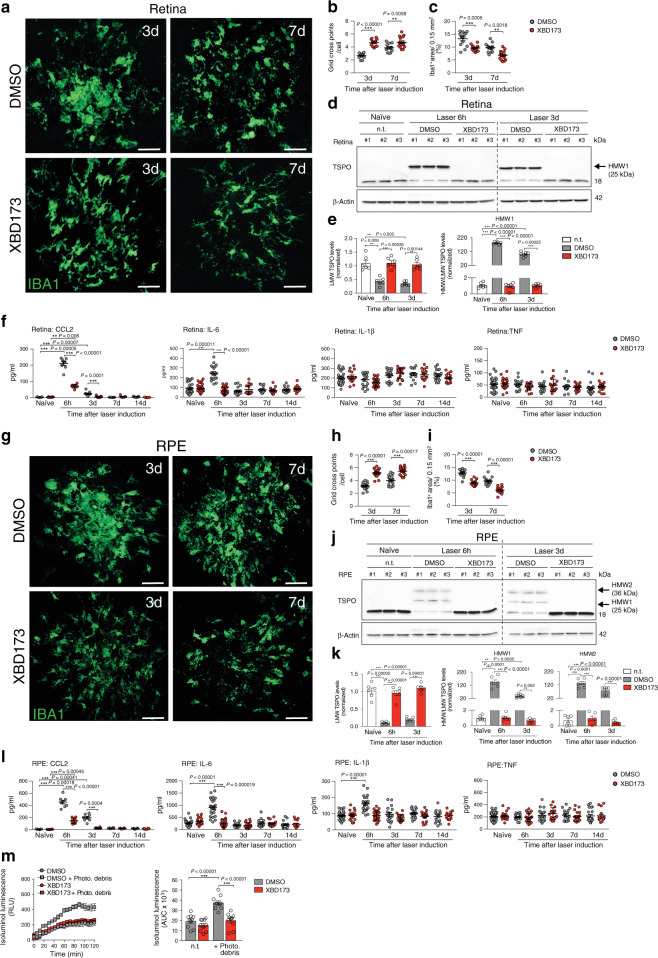
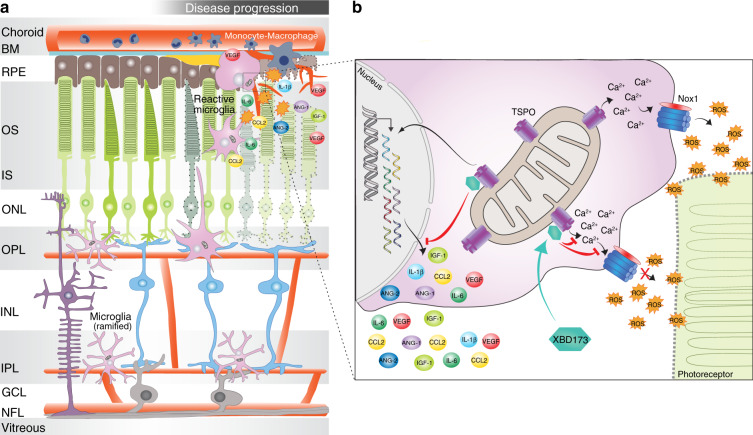
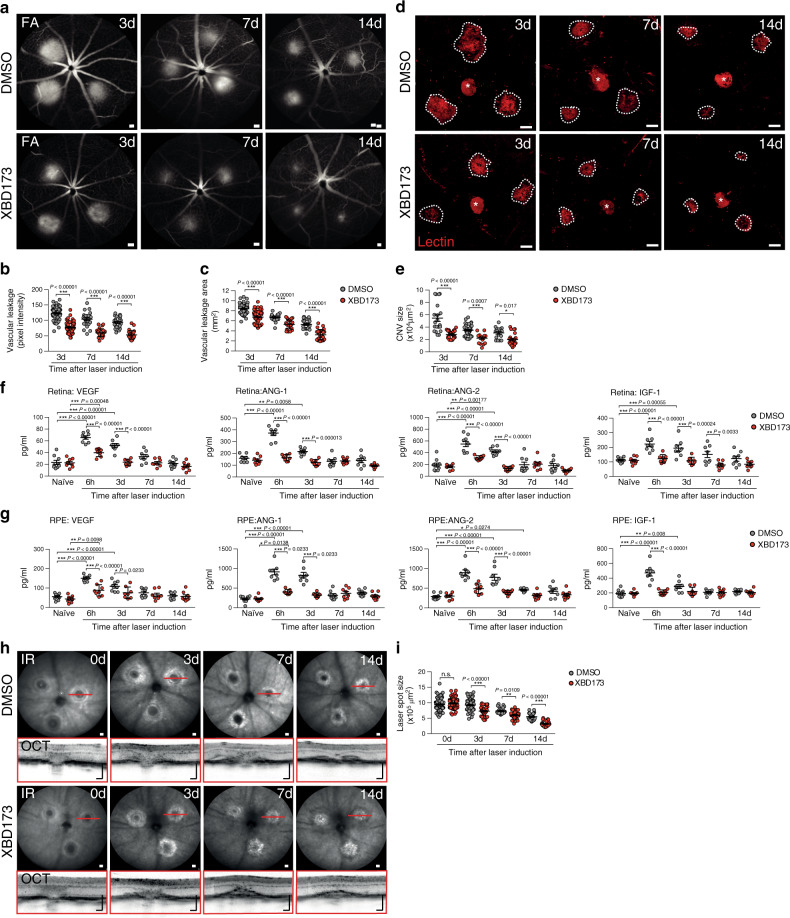
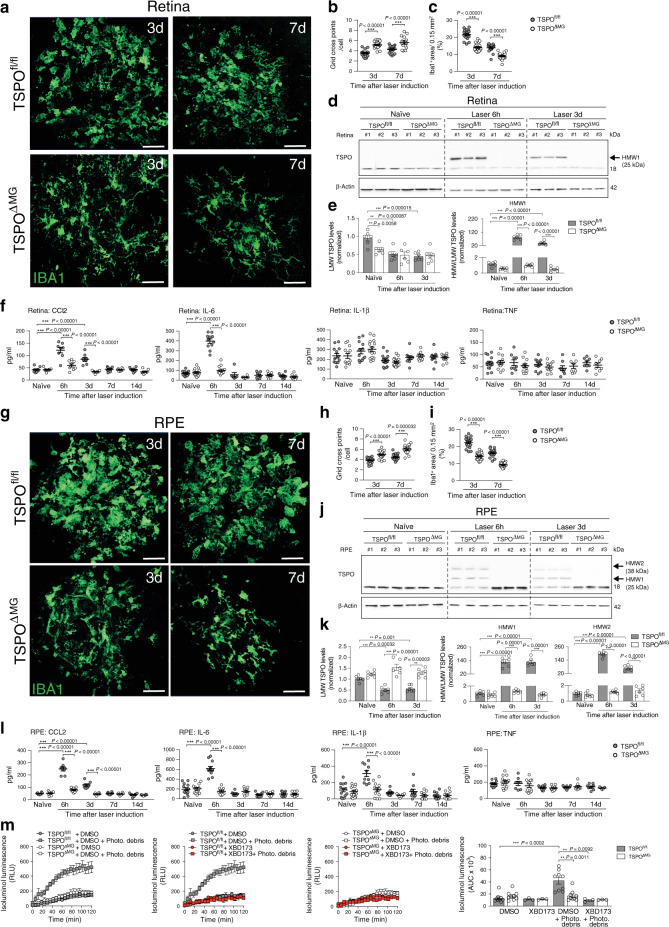
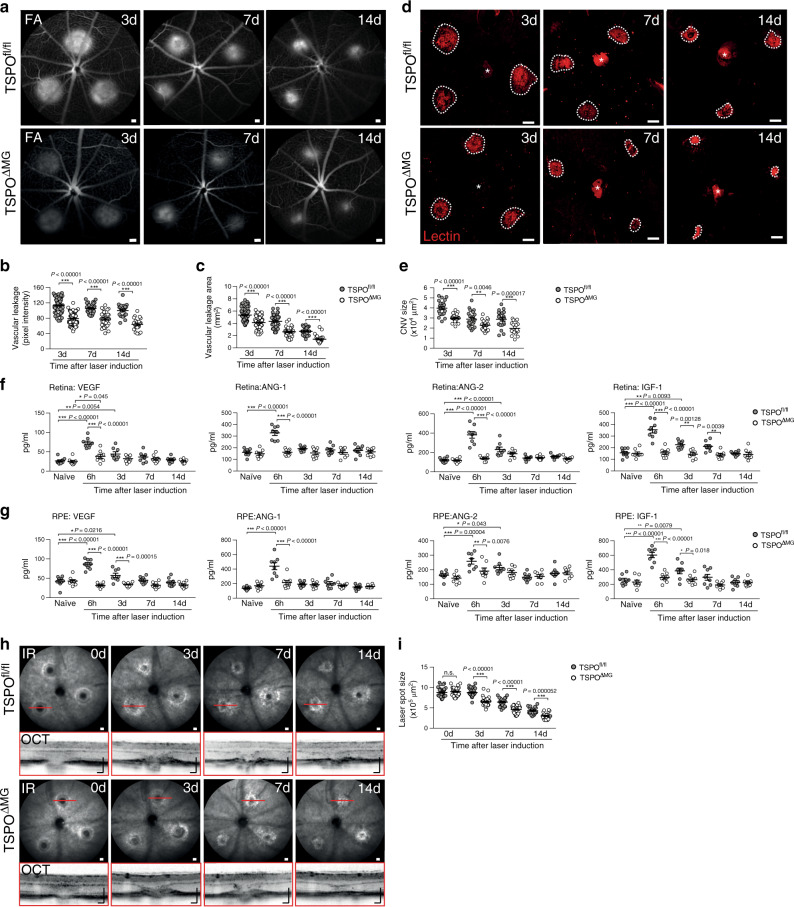
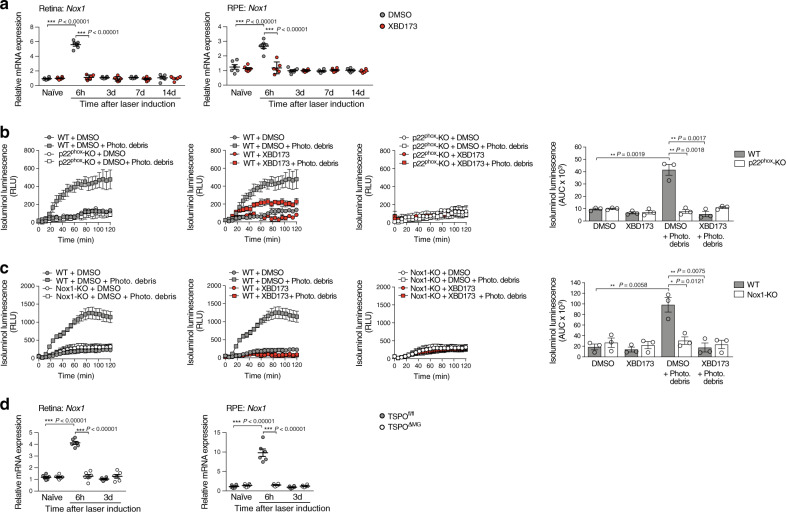
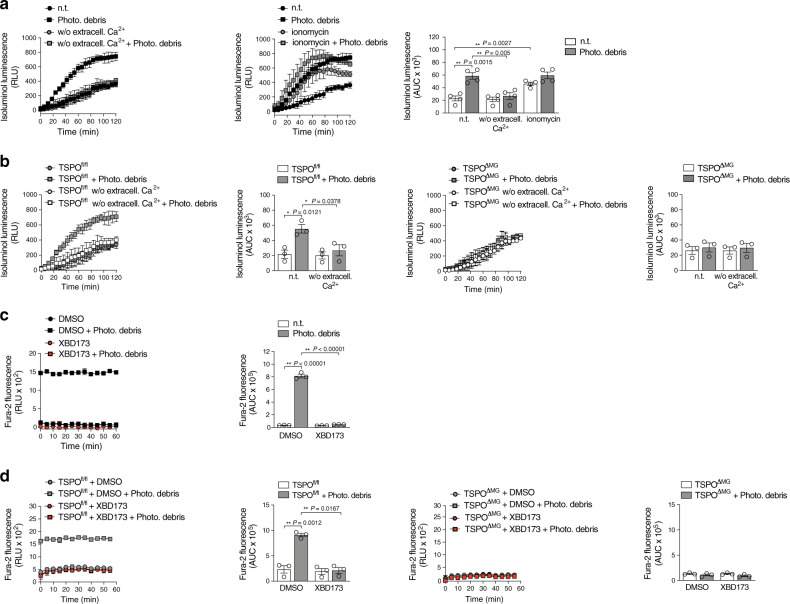
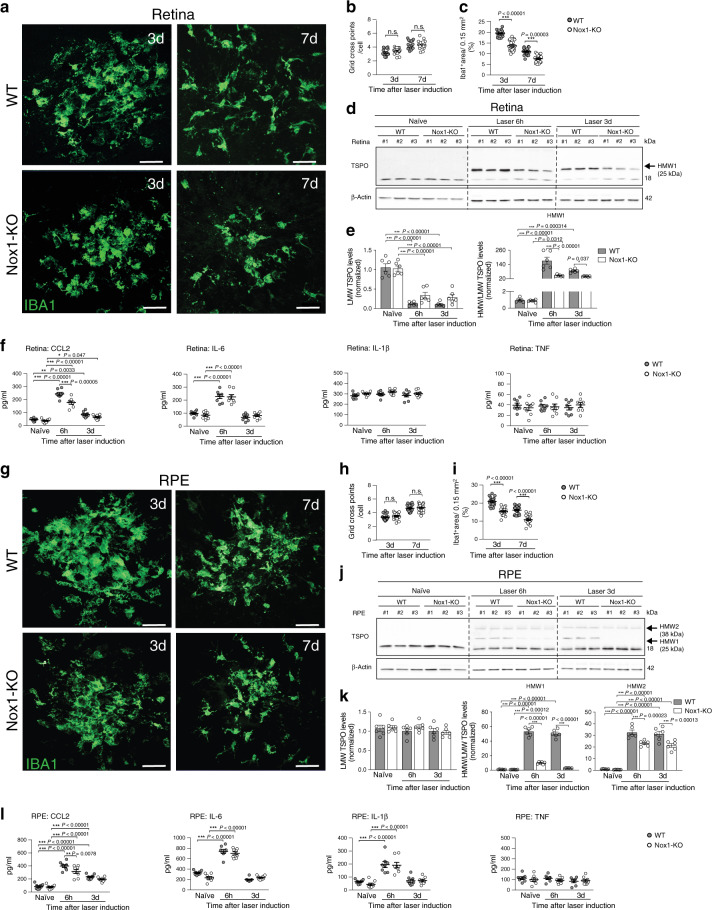
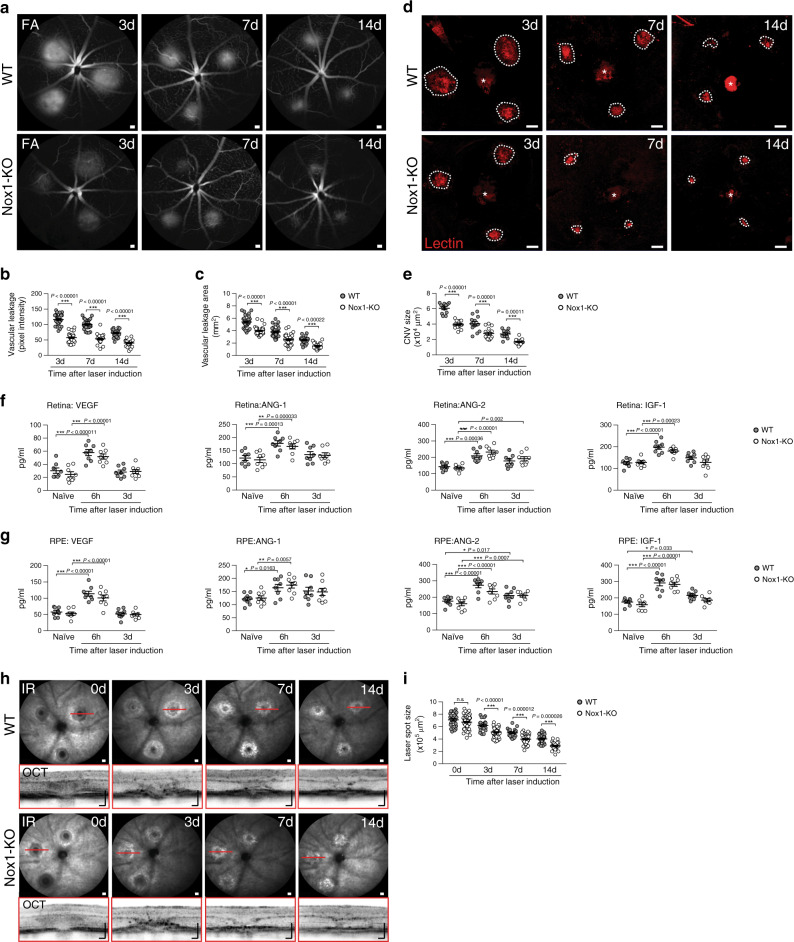
Aberrant immune responses including reactive phagocytes are implicated in the etiology of age-related macular degeneration (AMD), a major cause of blindness in the elderly. The translocator protein (18 kDa) (TSPO) is described as a biomarker for reactive gliosis, but its biological functions in retinal diseases remain elusive. Here, we report that tamoxifen-induced conditional deletion of TSPO in resident microglia using Cx3cr1:TSPO mice or targeting the protein with the synthetic ligand XBD173 prevents reactivity of phagocytes in the laser-induced mouse model of neovascular AMD. Concomitantly, the subsequent neoangiogenesis and vascular leakage are prevented by TSPO knockout or XBD173 treatment. Using different NADPH oxidase-deficient mice, we show that TSPO is a key regulator of NOX1-dependent neurotoxic ROS production in the retina. These data define a distinct role for TSPO in retinal phagocyte reactivity and highlight the protein as a drug target for immunomodulatory and antioxidant therapies for AMD.
异常的免疫反应,包括反应性吞噬细胞,与年龄相关性黄斑变性(AMD)的病因有关,AMD 是老年人失明的主要原因。转位蛋白(18kDa)(TSPO)被描述为反应性神经胶质增生的生物标志物,但它在视网膜疾病中的生物学功能仍不清楚。在这里,我们报告使用 Cx3cr1:TSPO 小鼠或用合成配体 XBD173 靶向该蛋白,他莫昔芬诱导的驻留小胶质细胞中 TSPO 的条件性缺失可防止激光诱导的新生血管性 AMD 小鼠模型中吞噬细胞的反应性。同时,通过 TSPO 敲除或 XBD173 治疗可预防随后的新生血管形成和血管渗漏。使用不同的 NADPH 氧化酶缺陷型小鼠,我们表明 TSPO 是视网膜中 NOX1 依赖性神经毒性 ROS 产生的关键调节剂。这些数据定义了 TSPO 在视网膜吞噬细胞反应性中的独特作用,并强调该蛋白是 AMD 免疫调节和抗氧化治疗的药物靶点。