Department of Agronomy and Plant Breeding, Faculty of Agriculture, Bu-Ali Sina University, Hamedan, Iran.
Department of Plant Biotechnology, Faculty of Agriculture, Bu-Ali Sina University, Hamedan, Iran.
Sci Rep. 2020 Jun 1;10(1):8884. doi: 10.1038/s41598-020-65815-2.
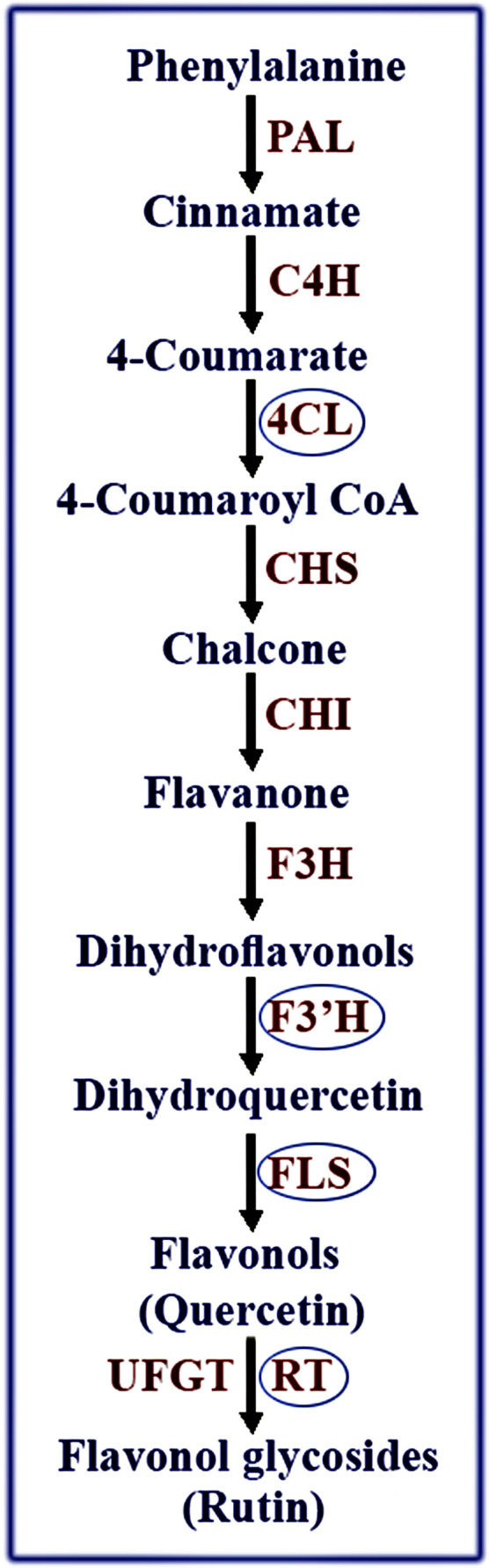
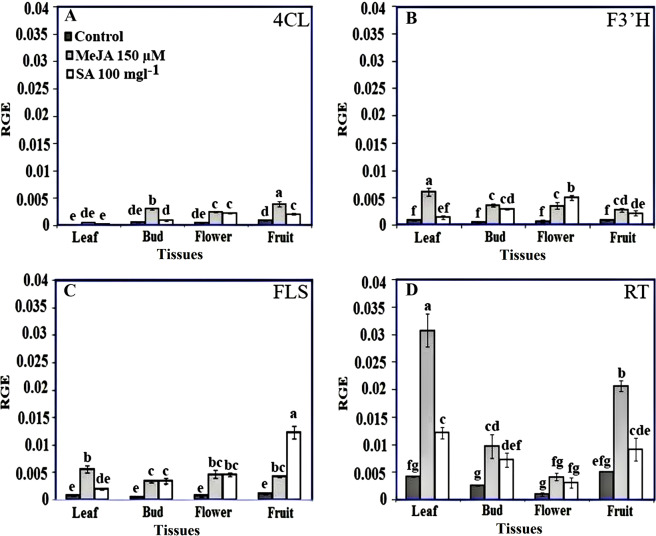
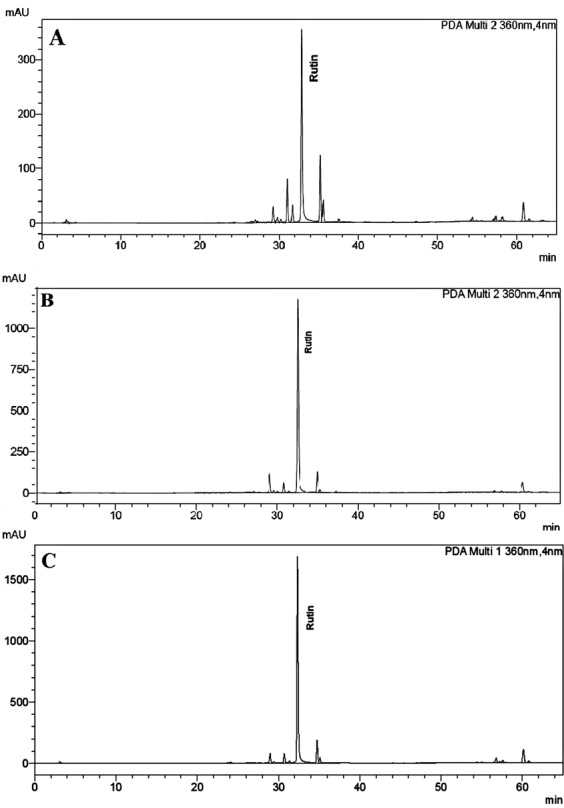
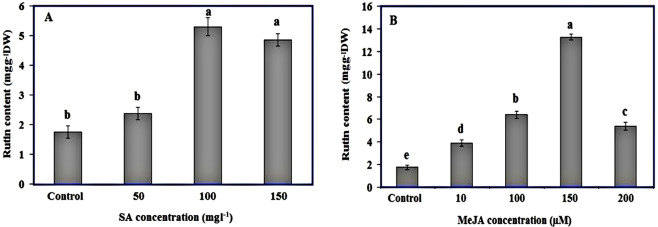
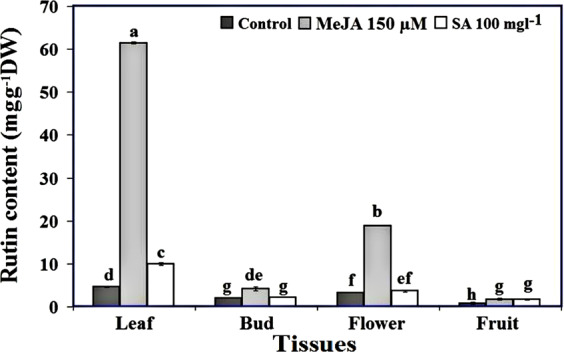
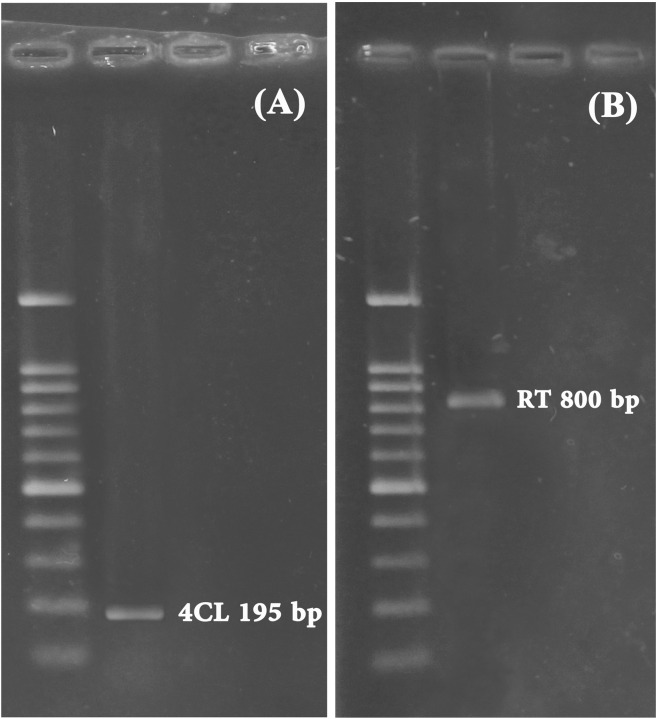
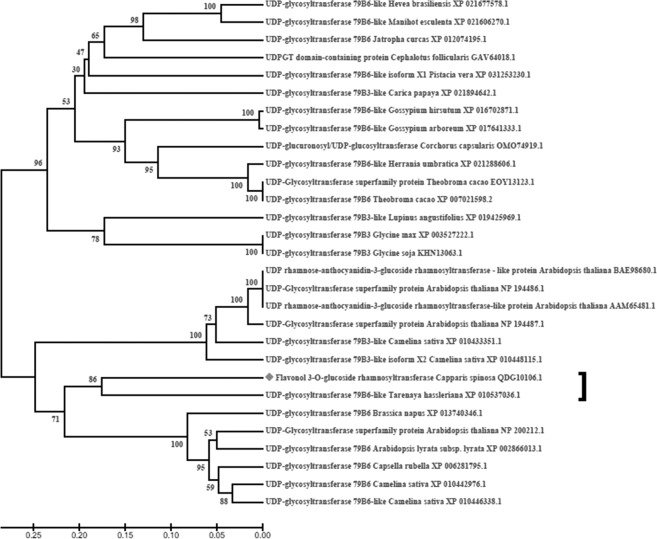
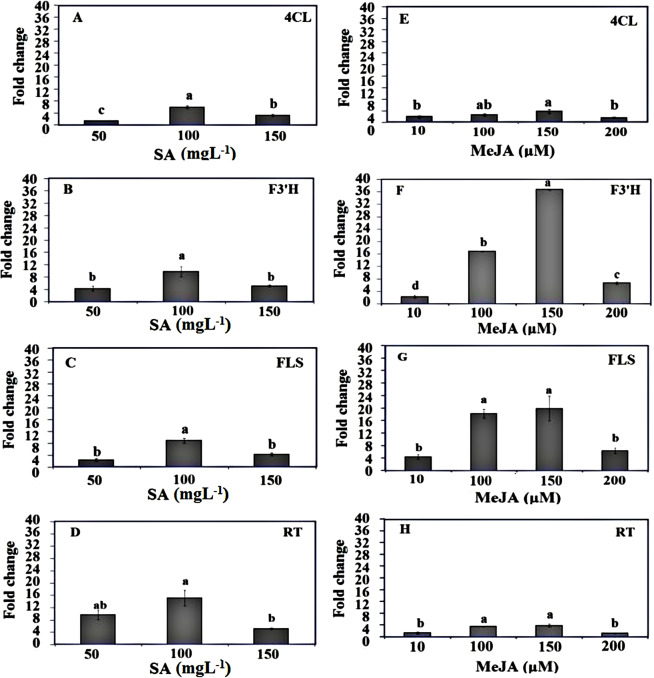
Capparis spinosa is an edible medicinal plant which is considered as an excellent source of rutin. Rutin is a glycoside of the flavonoid quercetin that has been reported to have a beneficial role in controlling various diseases such as hypertension, arteriosclerosis, diabetes, and obesity. In this study, the partial cDNA of four genes involved in the rutin biosynthetic pathway including 4-coumaroyl CoA ligase (4CL), flavonoid 3'-hydroxylase (F3'H), flavonol synthase (FLS) and flavonol-3-O-glucoside L-rhamnosyltransferase (RT) were identified in C.spinosa plants for the first time. The protein sequences of these genes shared high similarity with the same proteins in other plant species. Subsequently, the expression patterns of these genes as well as rutin accumulation in C.spinosa leaves treated with different concentrations of salicylic acid (SA) and methyl jasmonate (MeJA) and also in different tissues of Caper plants treated with 100 mgL SA and 150 μM MeJA were evaluated. The expression of all four genes was clearly up-regulated and rutin contents increased in response to MeJA and SA treatments after 24 h. The highest rutin contents (5.30 mgg DW and 13.27 mgg DW), as well as the highest expression levels of all four genes, were obtained using 100 mgL SA and 150 μM MeJA, respectively. Among the different tissues, the highest rutin content was observed in young leaves treated with 150 μM MeJA, which corresponded to the expression of related genes, especially RT, as a key gene in the rutin biosynthetic pathway. These results suggest that rutin content in various tissues of C. spinosa can be enhanced to a significant extent by MeJA and SA treatments and the gene expression patterns of rutin-biosynthesis-related genes are regulated by these elicitors.
仙人掌是一种可食用的药用植物,被认为是芦丁的极好来源。芦丁是类黄酮槲皮素的糖苷,据报道,它在控制高血压、动脉硬化、糖尿病和肥胖等各种疾病方面具有有益作用。在这项研究中,首次在仙人掌植物中鉴定出参与芦丁生物合成途径的四个基因的部分 cDNA,包括 4-香豆酰辅酶 A 连接酶(4CL)、类黄酮 3'-羟化酶(F3'H)、黄酮醇合酶(FLS)和黄酮醇-3-O-葡萄糖苷 L-鼠李糖苷基转移酶(RT)。这些基因的蛋白质序列与其他植物物种的相同蛋白质具有高度相似性。随后,评估了不同浓度水杨酸(SA)和茉莉酸甲酯(MeJA)处理后仙人掌叶片中这些基因的表达模式以及芦丁积累情况,以及 100 mgL SA 和 150 μM MeJA 处理下的卡珀植物不同组织中的芦丁积累情况。所有四个基因的表达在 24 小时后均明显上调,并且对 MeJA 和 SA 处理的反应中芦丁含量增加。使用 100 mgL SA 和 150 μM MeJA 分别获得了最高的芦丁含量(5.30 mgg DW 和 13.27 mgg DW)和所有四个基因的最高表达水平。在不同组织中,用 150 μM MeJA 处理的幼叶中芦丁含量最高,这与相关基因的表达相对应,特别是 RT,作为芦丁生物合成途径中的关键基因。这些结果表明,通过 MeJA 和 SA 处理可以显著提高仙人掌各种组织中的芦丁含量,并且这些诱导剂调节芦丁生物合成相关基因的基因表达模式。