Xin Bingyue, Liu Hualin, Zheng Jinshui, Xie Chuanshuai, Gao Ying, Dai Dadong, Peng Donghai, Ruan Lifang, Chen Huanchun, Sun Ming
State Key Laboratory of Agricultural Microbiology, College of Life Science and Technology, Huazhong Agricultural University, Wuhan, China.
College of Life Sciences, Huaibei Normal University, Huaibei, China.
mSystems. 2020 Jun 2;5(3):e00047-20. doi: 10.1128/mSystems.00047-20.
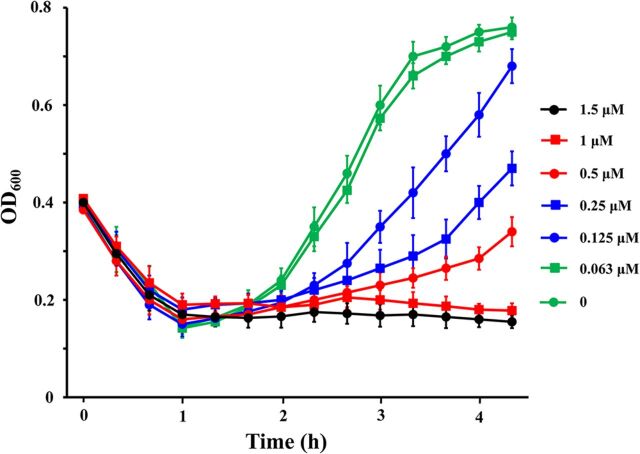
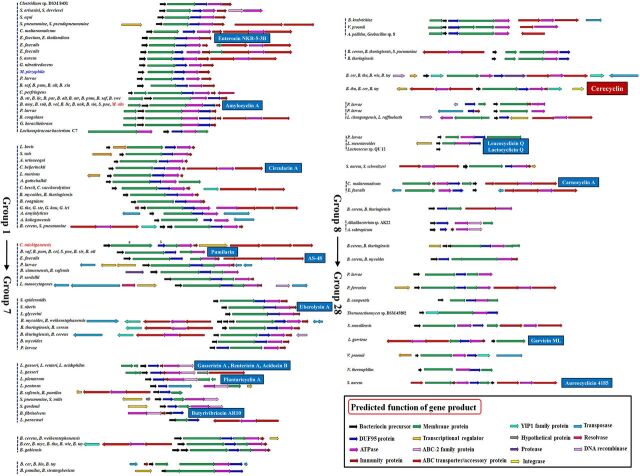
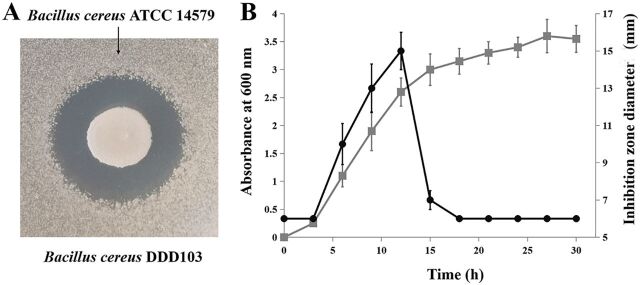
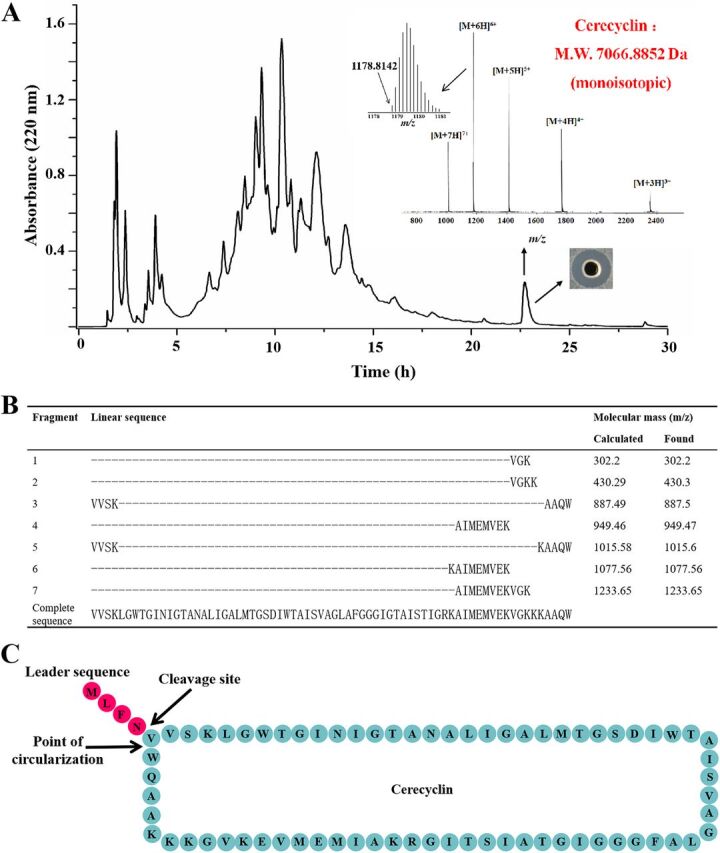
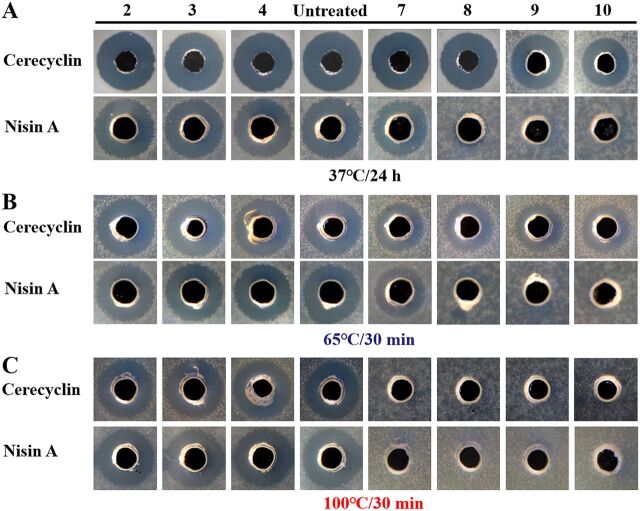
Consumer demand for "fresh food" with no chemical preservatives has prompted researchers to pay more attention to natural antimicrobial peptides such as bacteriocins. Nisin is currently the most widely used food biopreservative among the bacteriocins; however, its applications are restricted due to its low stability at neutral and alkaline pH values. Circular bacteriocins have potent antimicrobial activity against foodborne pathogens, show exceptional stability, and have great potential to be developed as biopreservatives. Here, we take advantage of the precursor peptides of 15 reported circular bacteriocins to devise an approach to identify potential circular bacteriocins in sequenced microbial genomes. A total of nearly 7,000 putative precursor peptides were identified from 86 species of bacteria and further classified into 28 groups based on their amino acid similarity. Among the groups, 19 showed low similarity (less than 50%) to any known precursor peptide of circular bacteriocins. One novel circular bacteriocin in group 11, cerecyclin, showed the highest identity (34%) to the known circular bacteriocin enterocin NKR-5-3B and was selected for verification. Cerecyclin showed antimicrobial activity against several Gram-positive bacteria, inhibited the outgrowth of spores, and did not exhibit hemolysis activity. Moreover, it showed 4-fold- to 8-fold-higher antimicrobial activity against and than nisin A. Cerecyclin also had increased stability compared to nisin A under neutral or alkaline conditions. This work not only identified a promising food biopreservative but also provided a rich source for novel circular bacteriocins. Circular bacteriocins are promising biopreservatives, and it is important to identify more novel circular bacteriocins to enhance the current arsenal of antimicrobials. In this study, we used an approach to identify a large number of novel circular bacteriocins and classified these bacteriocins into 28 groups rather than the 2 groups that were described in previous studies. Nineteen groups were novel and had low similarity (less than 50%) to any known precursor peptides of circular bacteriocins; this finding greatly expands the awareness of the novelty and diversity of circular bacteriocins. A novel circular bacteriocin which we named cerecyclin was identified in the group; this circular bacteriocin had great antimicrobial activity against some foodborne pathogens and showed extreme stability. This study not only identified a promising food biopreservative but also provided a rich source for the identification of novel circular bacteriocins and the development of new biopreservatives.
消费者对不含化学防腐剂的“新鲜食品”的需求促使研究人员更加关注天然抗菌肽,如细菌素。乳链菌肽是目前细菌素中应用最广泛的食品生物防腐剂;然而,由于其在中性和碱性pH值下稳定性较低,其应用受到限制。环状细菌素对食源性病原体具有强大的抗菌活性,表现出卓越的稳定性,并且具有作为生物防腐剂开发的巨大潜力。在此,我们利用15种已报道的环状细菌素的前体肽设计了一种方法,以在已测序的微生物基因组中鉴定潜在的环状细菌素。从86种细菌中总共鉴定出近7000个假定的前体肽,并根据它们的氨基酸相似性进一步分为28组。在这些组中,19组与任何已知的环状细菌素前体肽的相似性较低(小于50%)。第11组中的一种新型环状细菌素cerecyclin与已知的环状细菌素肠球菌素NKR-5-3B的同一性最高(34%),并被选择进行验证。Cerecyclin对几种革兰氏阳性细菌表现出抗菌活性,抑制孢子萌发,并且不表现出溶血活性。此外,它对[具体细菌1]和[具体细菌2]的抗菌活性比乳链菌肽A高4至8倍。与乳链菌肽A相比,Cerecyclin在中性或碱性条件下也具有更高的稳定性。这项工作不仅鉴定出一种有前景的食品生物防腐剂,还为新型环状细菌素提供了丰富来源。环状细菌素是有前景的生物防腐剂,识别更多新型环状细菌素以增强当前的抗菌剂库很重要。在本研究中,我们使用一种方法鉴定了大量新型环状细菌素,并将这些细菌素分为28组,而不是先前研究中描述的2组。19组是新的,与任何已知的环状细菌素前体肽的相似性较低(小于50%);这一发现极大地扩展了对环状细菌素新颖性和多样性的认识。我们在第11组中鉴定出一种名为cerecyclin的新型环状细菌素;这种环状细菌素对一些食源性病原体具有强大的抗菌活性,并表现出极高的稳定性。这项研究不仅鉴定出一种有前景的食品生物防腐剂,还为新型环状细菌素的鉴定和新型生物防腐剂的开发提供了丰富来源。