Haddadi Kaveh, Ghasemian Roya, Shafizad Misagh
Neurological Surgery, Orthopedic Research Center, Mazandaran University of Medical Sciences, Sari, IRN.
Infectious Diseases, Antimicrobial Resistance Research Center, Mazandaran University of Medical Sciences, Sari, IRN.
Cureus. 2020 Apr 28;12(4):e7869. doi: 10.7759/cureus.7869.
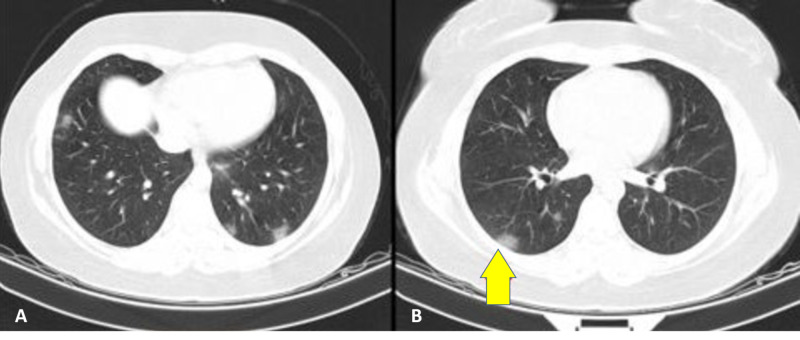
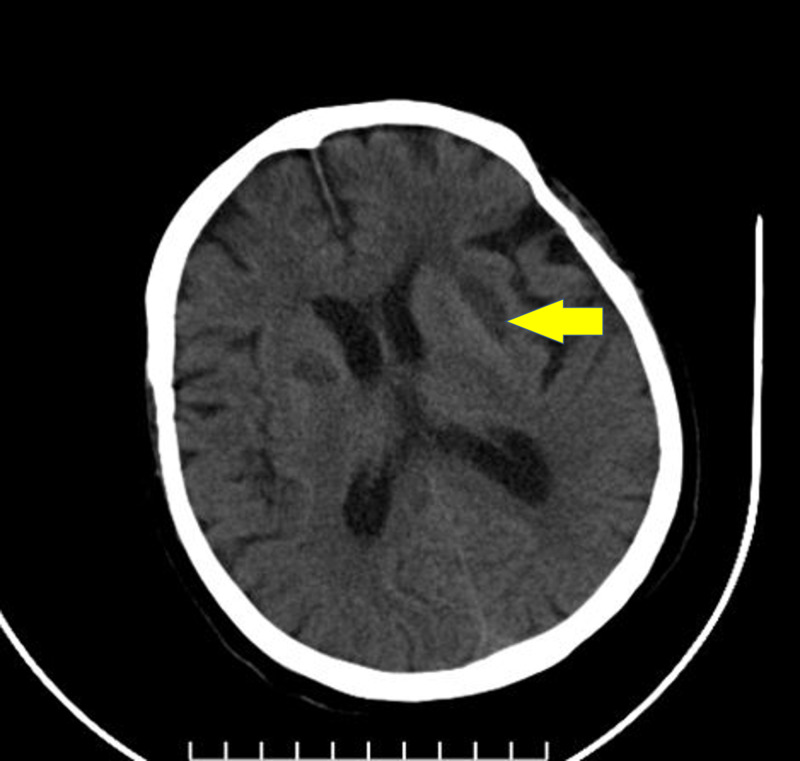
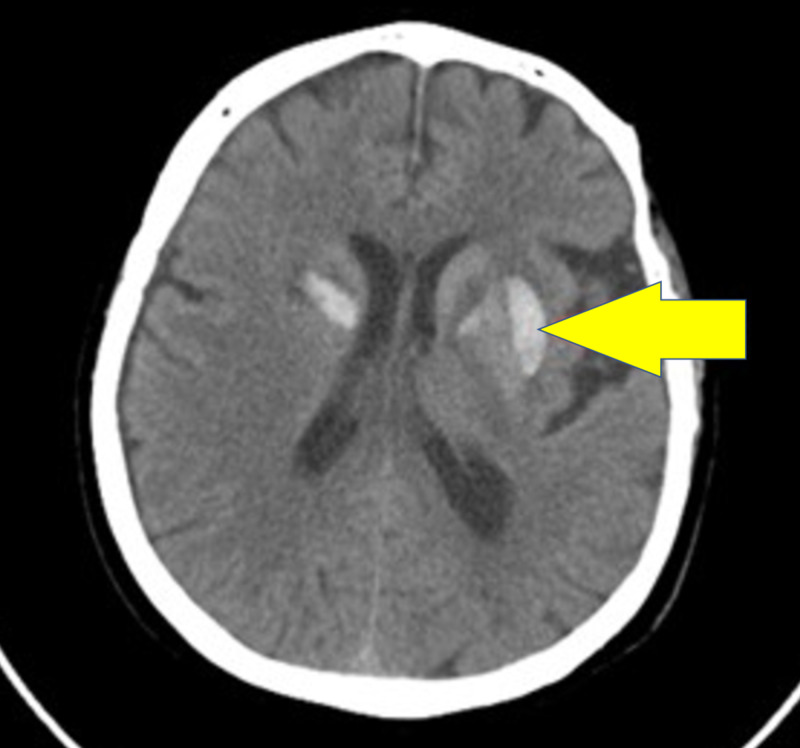
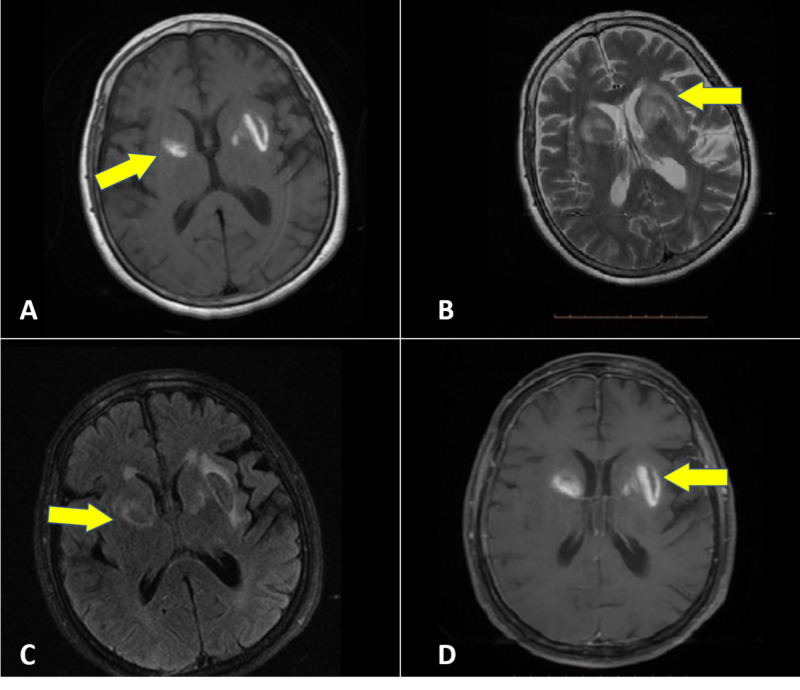
Like other respiratory viruses, severe acute respiratory syndrome coronavirus 2 (SARS-CoV-2) may enter the central nervous system (CNS) via the hematogenous or neuronal path. However, neurological complications of coronavirus disease 2019 (COVID-19) have not been reported frequently. Encephalopathy has been described as a presenting symptom or complication of COVID-19 in some reports. We report a case of a 54-year-old patient who presented with unique clinical characteristics and imaging with brain basal ganglia involvement likely due to SARS-CoV-2 infection. In our experience, the incidence of spontaneous bilateral basal ganglia hemorrhage is rare. Further study will be needed to investigate this finding of the CNS and altered mental status in patients with this new type of coronavirus infection. Based on the case presented and other cases, understanding the pathways of virus neuroinvasion is necessary to help recognize possible pathologically related consequences of infection and to evaluate new diagnostic and management approaches that will help improve SARS-CoV-2 infection treatment and control.
与其他呼吸道病毒一样,严重急性呼吸综合征冠状病毒2(SARS-CoV-2)可能通过血行或神经途径进入中枢神经系统(CNS)。然而,2019冠状病毒病(COVID-19)的神经并发症报告并不常见。在一些报告中,脑病被描述为COVID-19的首发症状或并发症。我们报告一例54岁患者,其表现出独特的临床特征和影像学表现,脑基底节受累,可能是由于SARS-CoV-2感染所致。根据我们的经验,自发性双侧基底节出血的发生率很罕见。需要进一步研究来调查这种新型冠状病毒感染患者的中枢神经系统这一发现及精神状态改变。基于所呈现的病例及其他病例,了解病毒神经侵袭途径对于帮助识别感染可能的病理相关后果以及评估有助于改善SARS-CoV-2感染治疗和控制的新诊断和管理方法是必要的。