Whitehead Institute for Biomedical Research, Cambridge, MA 02142, USA.
Dana-Farber Cancer Institute, Harvard Medical School, Boston, MA 02215, USA.
Science. 2020 Jun 19;368(6497):1386-1392. doi: 10.1126/science.aaz4427.
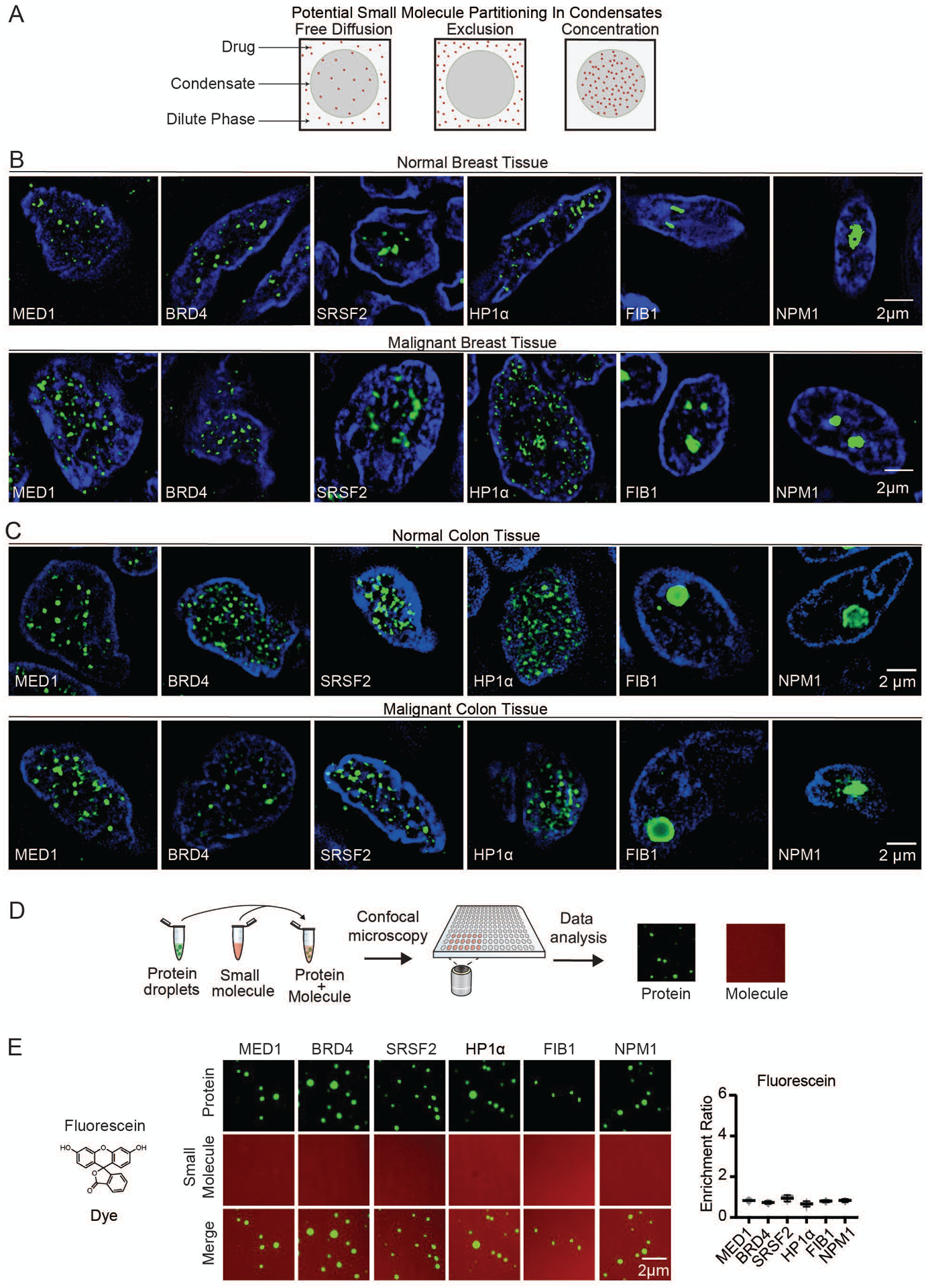
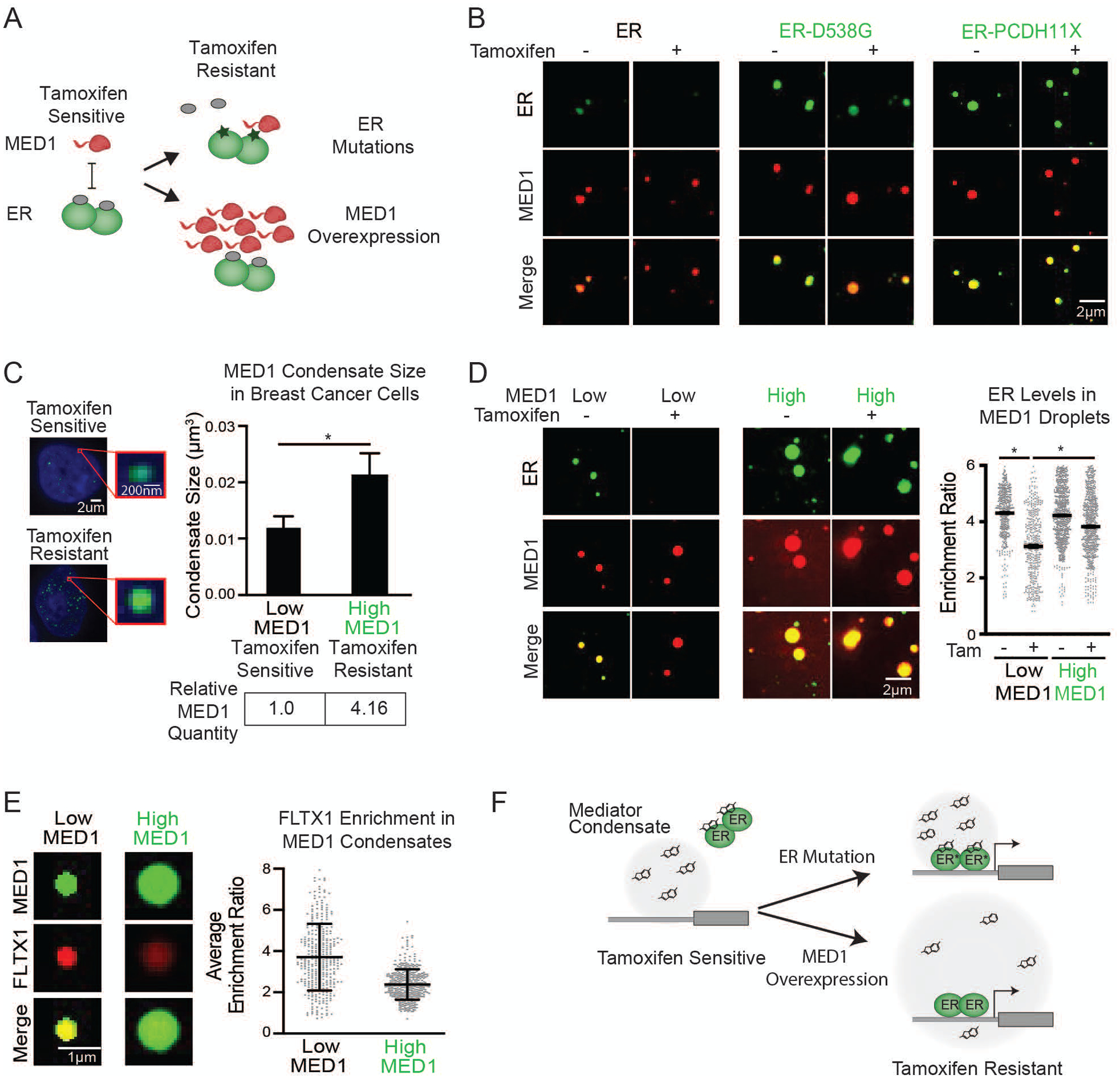
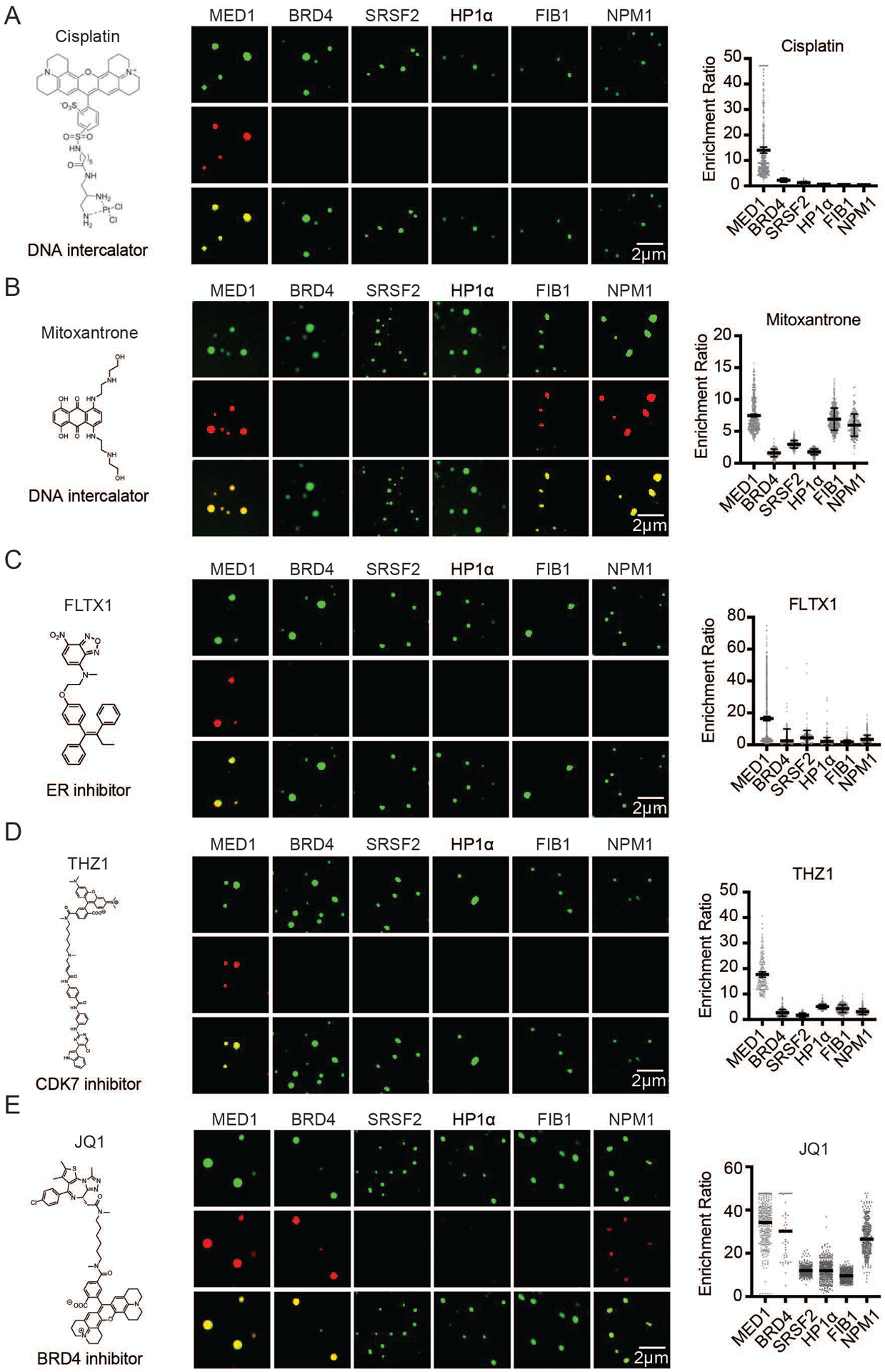
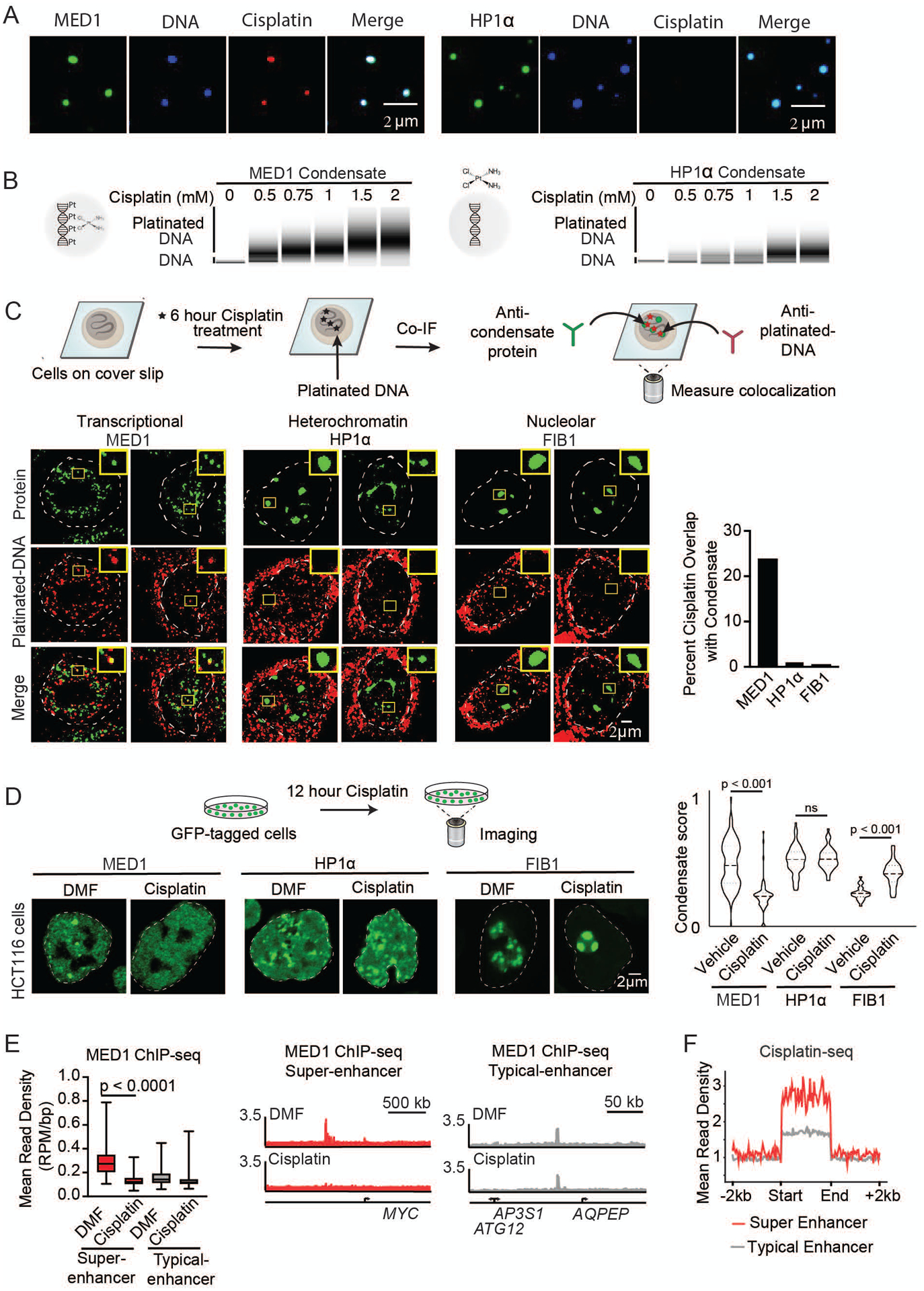
The nucleus contains diverse phase-separated condensates that compartmentalize and concentrate biomolecules with distinct physicochemical properties. Here, we investigated whether condensates concentrate small-molecule cancer therapeutics such that their pharmacodynamic properties are altered. We found that antineoplastic drugs become concentrated in specific protein condensates in vitro and that this occurs through physicochemical properties independent of the drug target. This behavior was also observed in tumor cells, where drug partitioning influenced drug activity. Altering the properties of the condensate was found to affect the concentration and activity of drugs. These results suggest that selective partitioning and concentration of small molecules within condensates contributes to drug pharmacodynamics and that further understanding of this phenomenon may facilitate advances in disease therapy.
核包含多种相分离的凝聚物,这些凝聚物将具有不同物理化学性质的生物分子分隔并浓缩。在这里,我们研究了凝聚物是否浓缩小分子癌症治疗药物,从而改变其药效学性质。我们发现,抗肿瘤药物在体外浓缩在特定的蛋白质凝聚物中,这种现象的发生与药物靶标无关,而是取决于物理化学性质。这种行为在肿瘤细胞中也观察到,药物的分配会影响药物的活性。改变凝聚物的性质被发现会影响药物的浓度和活性。这些结果表明,小分子在凝聚物中的选择性分配和浓缩有助于药物的药效学,进一步了解这一现象可能有助于疾病治疗的进展。