Kung Jung-Chang, Wang Wei-Hsun, Lee Chung-Lin, Hsieh Hao-Che, Shih Chi-Jen
School of Dentistry, College of Dental Medicine, Kaohsiung Medical University, Kaohsiung 807, Taiwan.
Department of Dentistry, Division of Family Dentistry, Kaohsiung Medical University Hospital, Kaohsiung 807, Taiwan.
Nanomaterials (Basel). 2020 Jun 28;10(7):1264. doi: 10.3390/nano10071264.
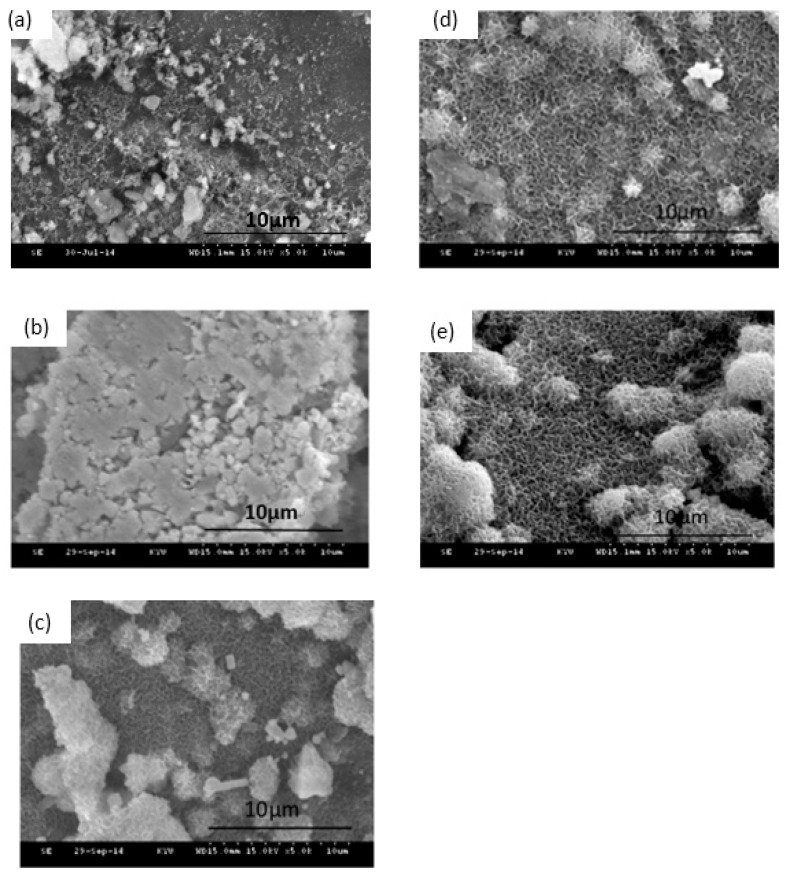
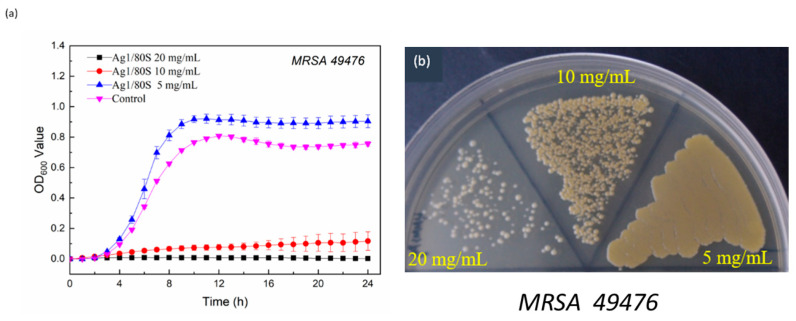
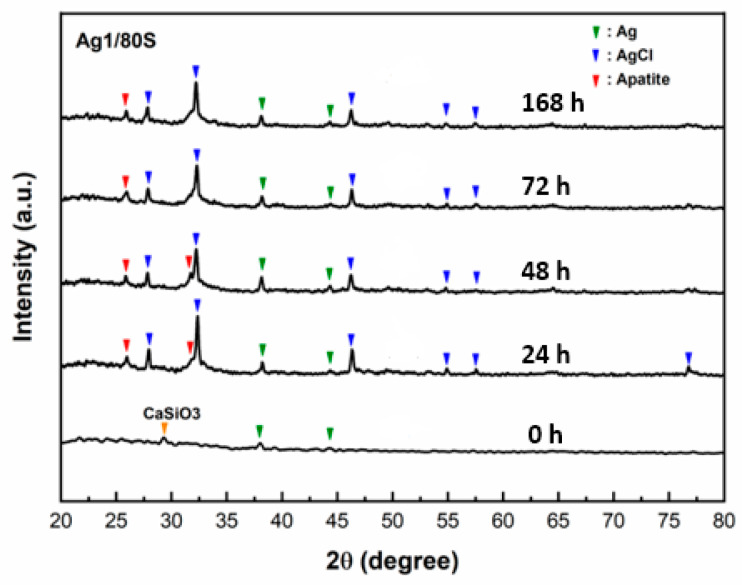
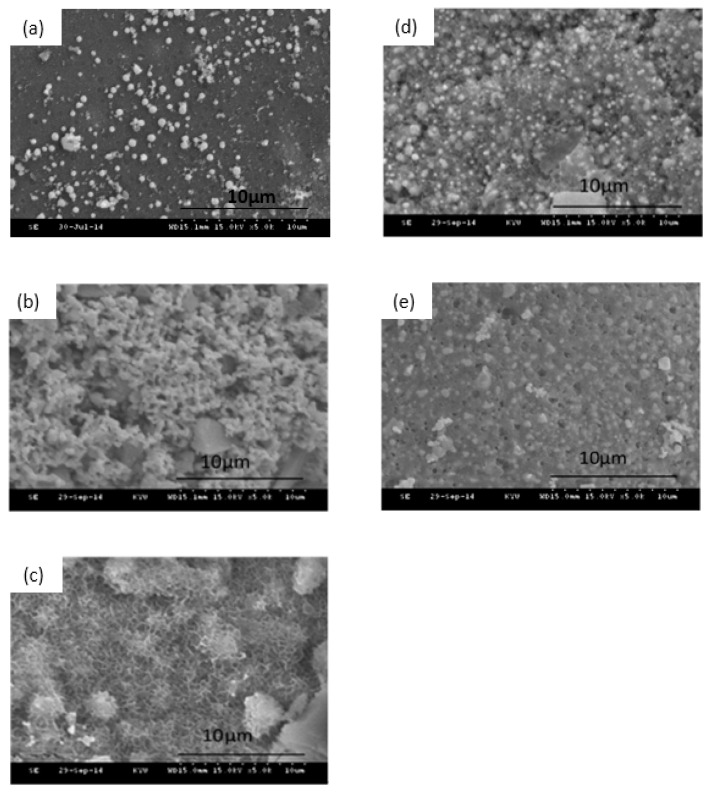
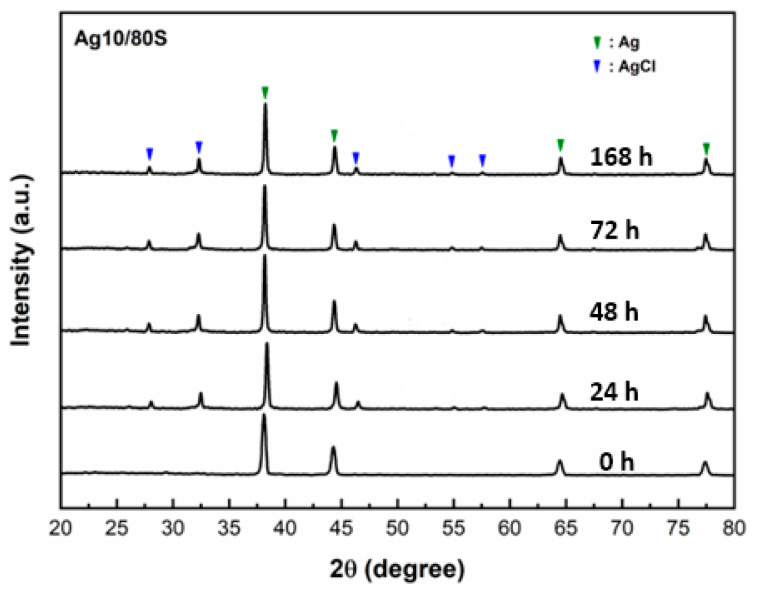
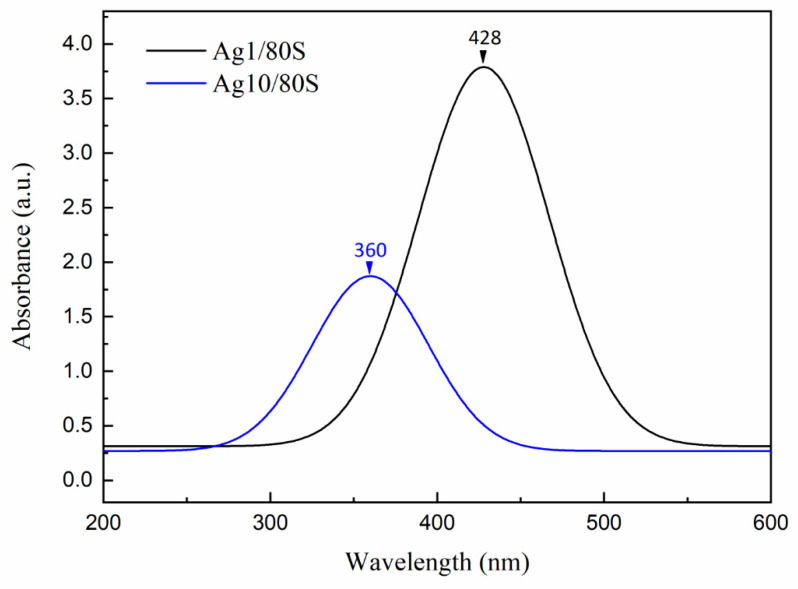
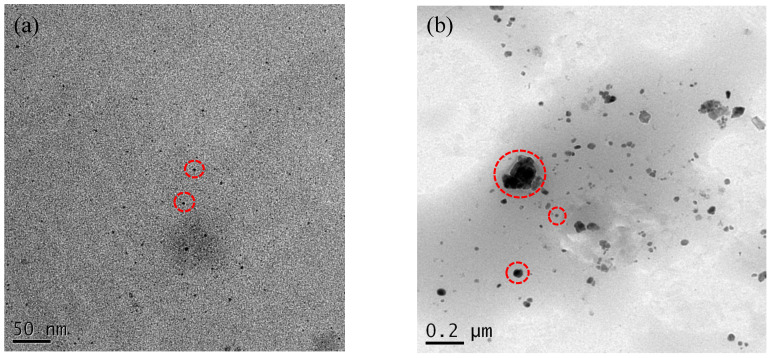
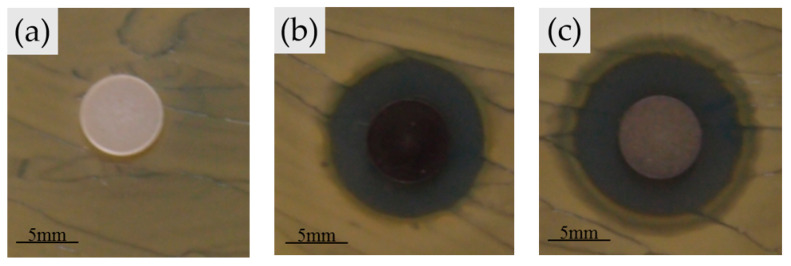
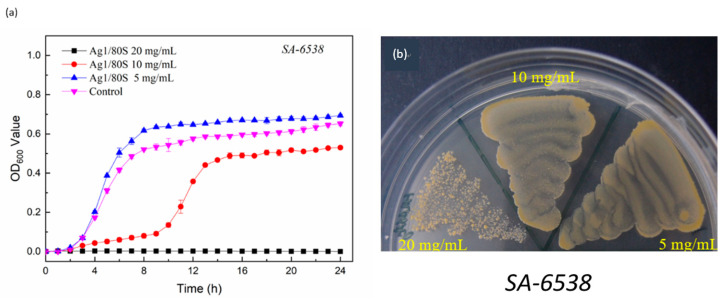
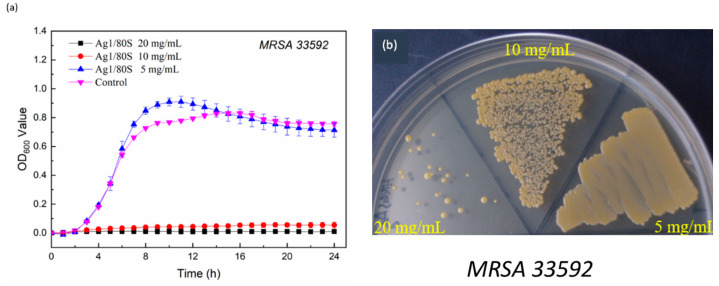
, which is commonly found in hospitals, has become a major problem in infection control. In this study, Ag/80S bioactive ceramics used for enhanced antibacterial applications have been developed. An in vitro bioactivity test of the Ag/80S bioactive ceramic powders was performed in a phosphate-buffered saline (PBS). To explore the antibacterial activity of the Ag/80S bioactive ceramic powders, the Kirby-Bauer susceptibility test, the kinetics of microbial growth analysis and the colony-forming capacity assay were used to determine their minimum inhibitory concentration (MIC) against methicillin-resistant (MRSA). The results confirmed that the Ag/80S bioactive ceramic powders have antibacterial activity against MRSA (ATCC 33592) and MRSA (ATCC 49476).
在医院中普遍存在的[具体事物未提及]已成为感染控制中的一个主要问题。在本研究中,已开发出用于增强抗菌应用的Ag/80S生物活性陶瓷。在磷酸盐缓冲盐水(PBS)中对Ag/80S生物活性陶瓷粉末进行了体外生物活性测试。为了探究Ag/80S生物活性陶瓷粉末的抗菌活性,采用 Kirby-Bauer 药敏试验、微生物生长动力学分析和菌落形成能力测定来确定它们对耐甲氧西林[菌名未完整写出](MRSA)的最低抑菌浓度(MIC)。结果证实,Ag/80S生物活性陶瓷粉末对MRSA(ATCC 33592)和MRSA(ATCC 49476)具有抗菌活性。