Chen Tinggui, Peng Lijuan, Yin Xiaohua, Rong Jingtao, Yang Jianjun, Cong Guodong
School of Statistics and Mathematics, Zhejiang Gongshang University, Hangzhou 310018, China.
Department of Computer Science and Information Systems, University of North Georgia, Oakwood, GA 30566, USA.
Healthcare (Basel). 2020 Jul 7;8(3):200. doi: 10.3390/healthcare8030200.
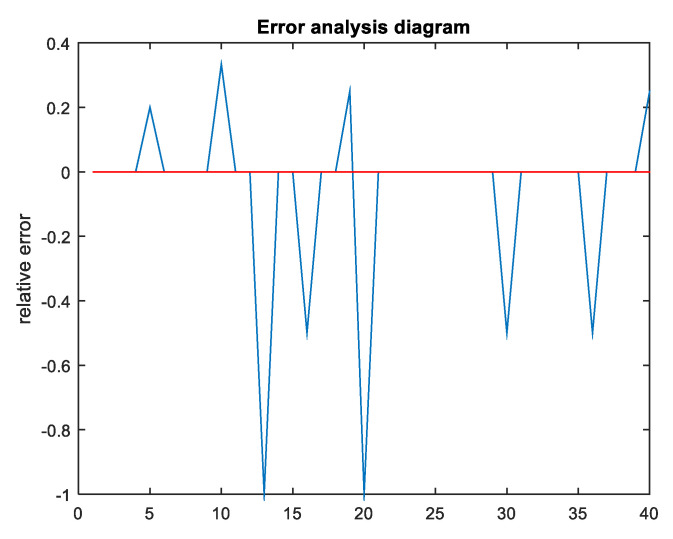
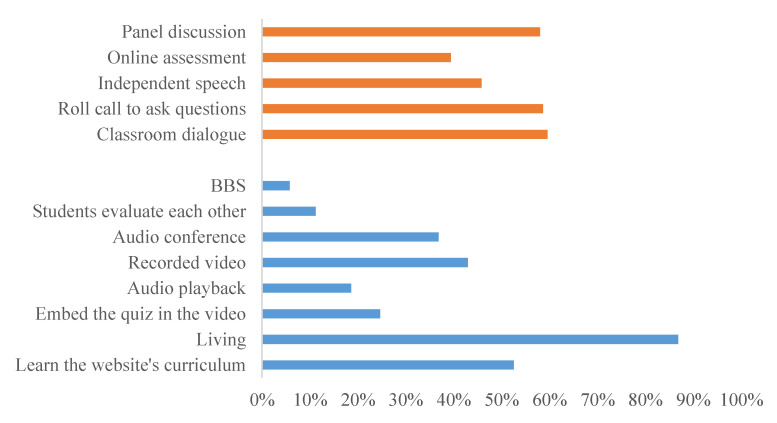
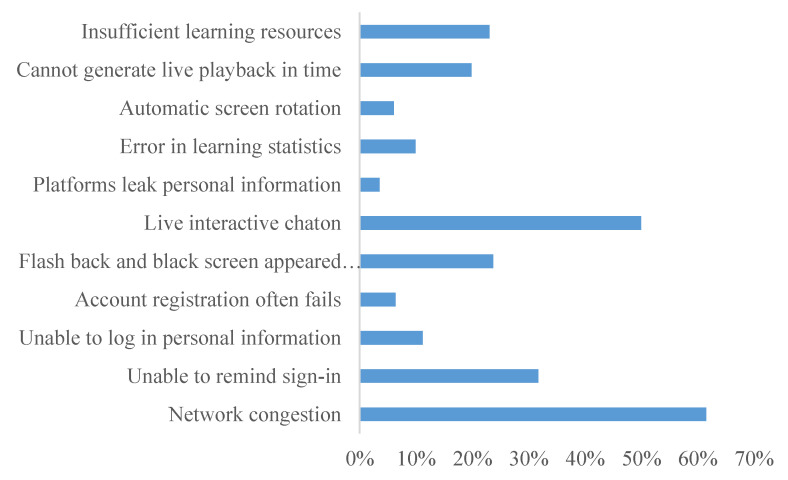
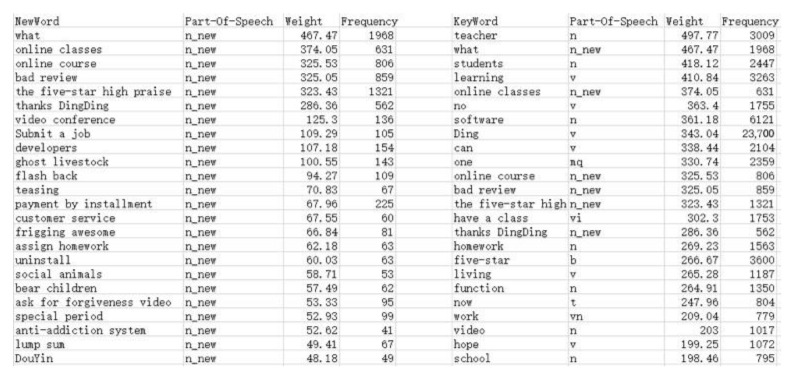
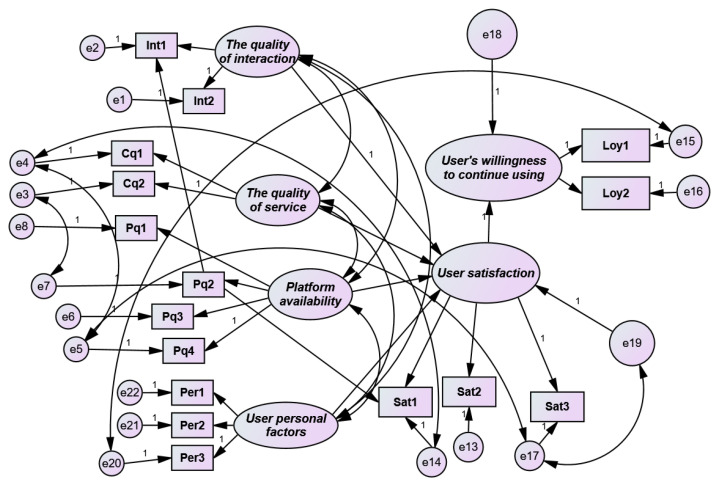
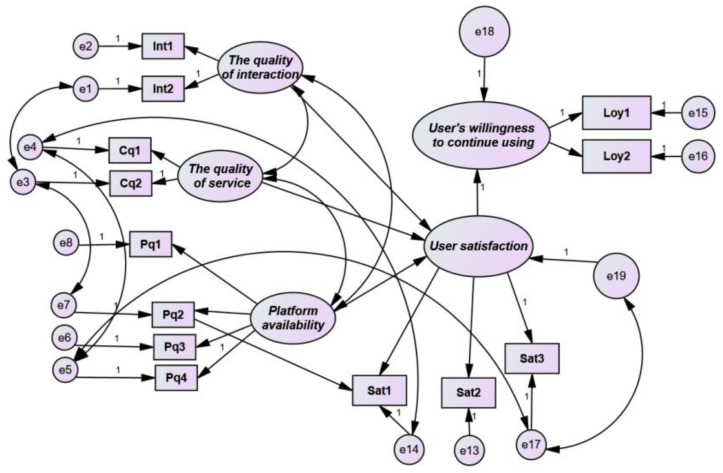
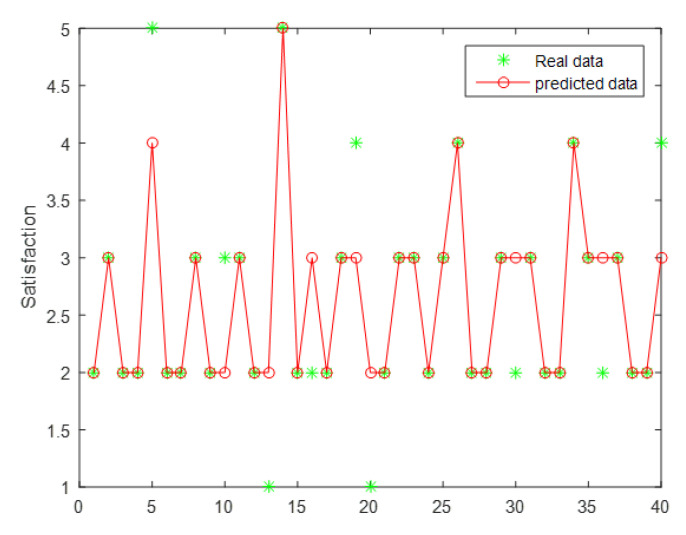
The outbreak of Corona Virus Disease 2019 (COVID-19) in various countries at the end of last year has transferred traditional face-to-face teaching to online education platforms, which directly affects the quality of education. Taking user satisfaction on online education platforms in China as the research object, this paper uses a questionnaire survey and web crawler to collect experience data of online and offline users, constructs a customer satisfaction index system by analyzing emotion and the existing literature for quantitative analysis, and builds aback propagation (BP) neural network model to forecast user satisfaction. The conclusion shows that users' personal factors have no direct influence on user satisfaction, while platform availability has the greatest influence on user satisfaction. Finally, suggestions on improving the online education platform are given to escalate the level of online education during the COVID-19 pandemic, so as to promote the reform of information-based education.
去年年底,新型冠状病毒肺炎(COVID-19)在各国爆发,传统的面对面教学转移到了在线教育平台,这直接影响了教育质量。本文以中国在线教育平台的用户满意度为研究对象,采用问卷调查和网络爬虫收集线上线下用户的体验数据,通过分析情感因素和现有文献构建客户满意度指标体系进行定量分析,并建立反向传播(BP)神经网络模型预测用户满意度。结论表明,用户个人因素对用户满意度无直接影响,而平台可用性对用户满意度影响最大。最后,针对改进在线教育平台提出建议,以提升COVID-19疫情期间的在线教育水平,从而推动信息化教育改革。