Carmona-Ribeiro Ana Maria, Pérez-Betancourt Yunys
Biocolloids Laboratory, Instituto de Química, Universidade de São Paulo, Av. Professor Lineu Prestes 748, São Paulo 05508-000, SP, Brazil.
Biomimetics (Basel). 2020 Jul 7;5(3):32. doi: 10.3390/biomimetics5030032.
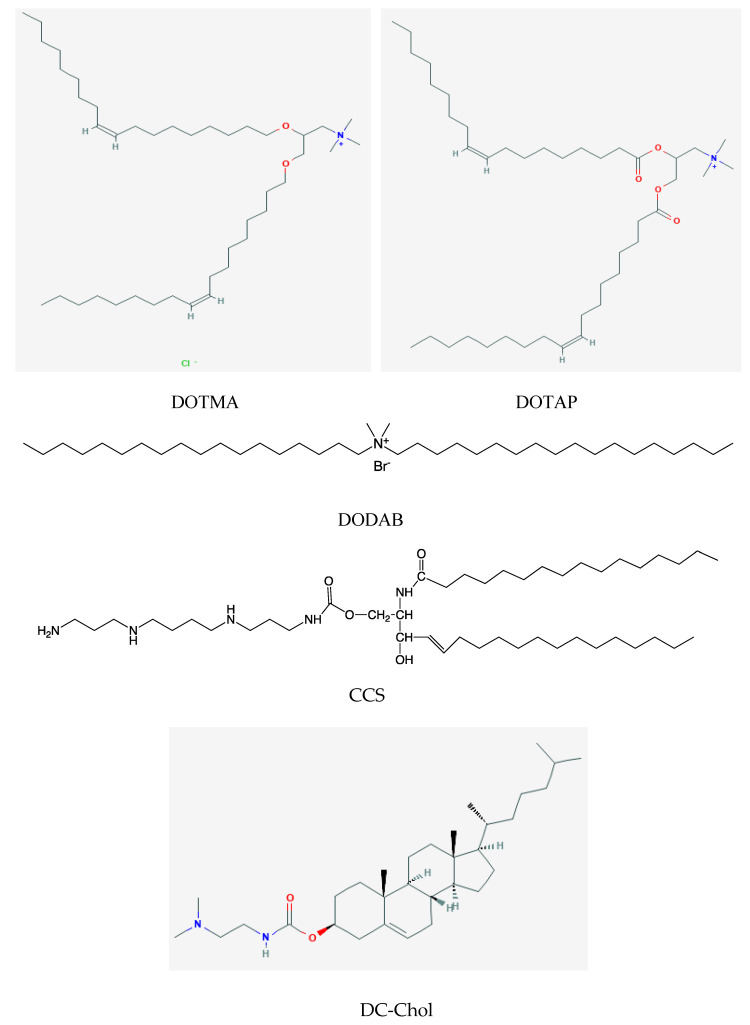
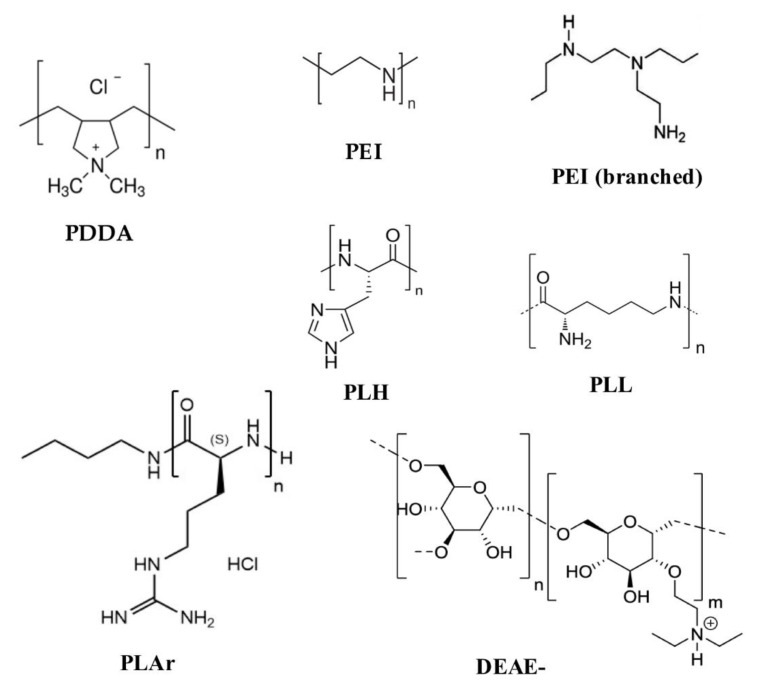
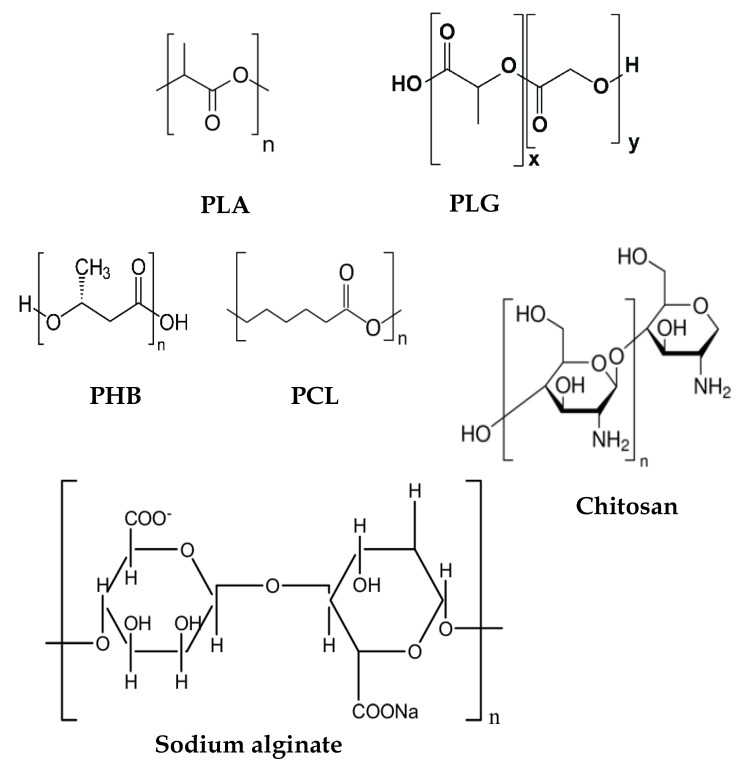
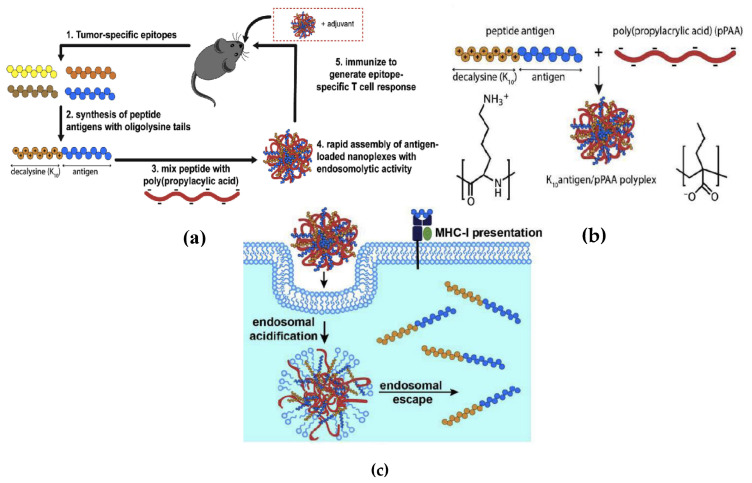
Subunit vaccines rely on adjuvants carrying one or a few molecular antigens from the pathogen in order to guarantee an improved immune response. However, to be effective, the vaccine formulation usually consists of several components: an antigen carrier, the antigen, a stimulator of cellular immunity such as a Toll-like Receptors (TLRs) ligand, and a stimulator of humoral response such as an inflammasome activator. Most antigens are negatively charged and combine well with oppositely charged adjuvants. This explains the paramount importance of studying a variety of cationic supramolecular assemblies aiming at the optimal activity in vivo associated with adjuvant simplicity, positive charge, nanometric size, and colloidal stability. In this review, we discuss the use of several antigen/adjuvant cationic combinations. The discussion involves antigen assembled to 1) cationic lipids, 2) cationic polymers, 3) cationic lipid/polymer nanostructures, and 4) cationic polymer/biocompatible polymer nanostructures. Some of these cationic assemblies revealed good yet poorly explored perspectives as general adjuvants for vaccine design.
亚单位疫苗依靠携带病原体的一种或几种分子抗原的佐剂,以确保增强免疫反应。然而,为了有效,疫苗制剂通常由几种成分组成:抗原载体、抗原、细胞免疫刺激剂(如Toll样受体(TLR)配体)和体液反应刺激剂(如炎性小体激活剂)。大多数抗原带负电荷,能与带相反电荷的佐剂很好地结合。这就解释了研究各种阳离子超分子组装体的至关重要性,这些组装体旨在实现与佐剂简单性、正电荷、纳米尺寸和胶体稳定性相关的体内最佳活性。在本综述中,我们讨论了几种抗原/佐剂阳离子组合的用途。讨论涉及组装到以下物质上的抗原:1)阳离子脂质、2)阳离子聚合物、3)阳离子脂质/聚合物纳米结构,以及4)阳离子聚合物/生物相容性聚合物纳米结构。其中一些阳离子组装体作为疫苗设计的通用佐剂显示出良好但尚未充分探索的前景。