College of Information Science and Engineering, Northeastern University, Shenyang 110819, China.
Sensors (Basel). 2020 Jul 19;20(14):4009. doi: 10.3390/s20144009.
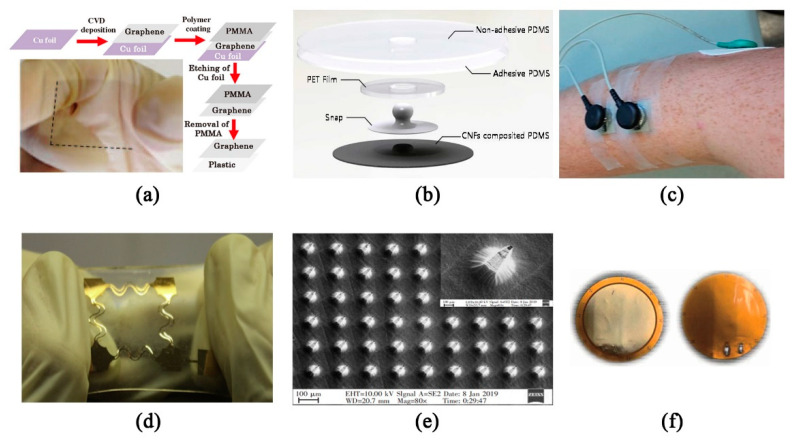
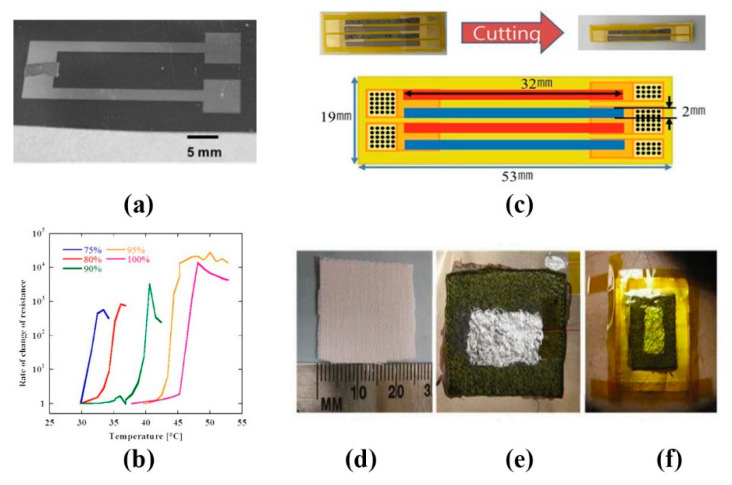
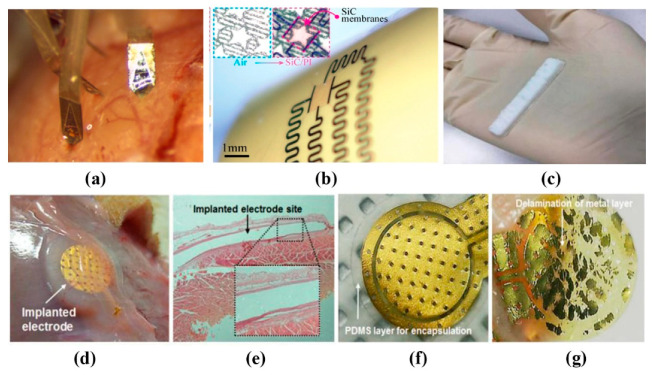
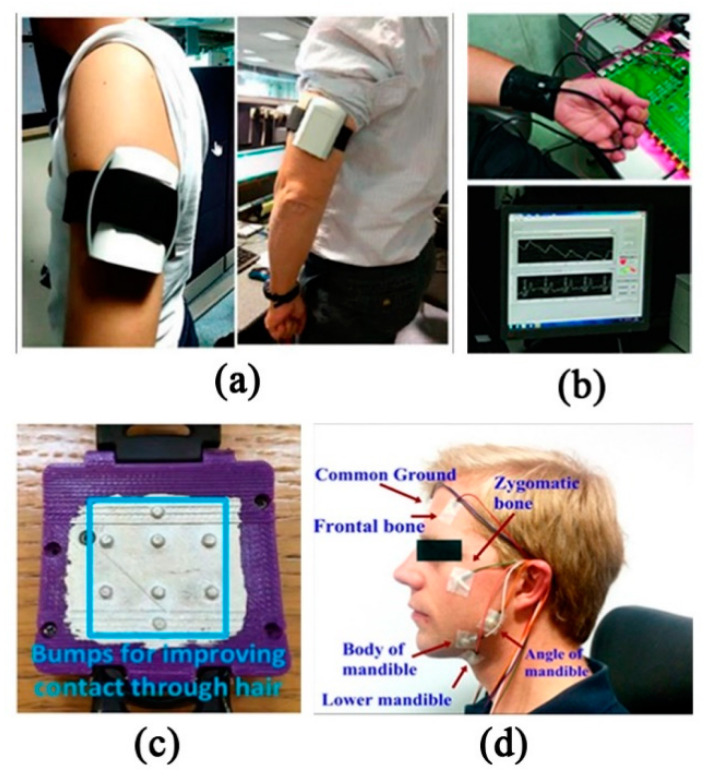
With the development of flexible electronic materials, as well as the wide development and application of smartphones, the cloud, and wireless systems, flexible wearable sensor technology has a significant and far-reaching impact on the realization of personalized medical care and the reform of the consumer market in the future. However, due to the high requirements for accuracy, reliability, low power consumption, and less data error, the development of these potential areas is full of challenges. In order to solve these problems, this review mainly searches the literature from 2008 to May 2020, based on the PRISMA process. Based on them, this paper reviews the latest research progress of new flexible materials and different types of sensors for monitoring vital signs (including electrophysiological signals, body temperature, and respiratory frequency) in recent years. These materials and sensors can help realize accurate signal detection based on comfortable and sustainable observation, and may likely be applied to future daily clothing.
随着柔性电子材料的发展,以及智能手机、云、无线系统的广泛开发和应用,柔性可穿戴传感器技术对实现个性化医疗和未来消费市场的变革具有重大而深远的影响。然而,由于对精度、可靠性、低功耗和低数据误差的要求很高,这些潜在领域的发展充满了挑战。为了解决这些问题,本综述主要从 2008 年到 2020 年 5 月,按照 PRISMA 流程搜索文献。在此基础上,本文综述了近年来用于监测生命体征(包括电生理信号、体温和呼吸频率)的新型柔性材料和不同类型传感器的最新研究进展。这些材料和传感器有助于实现基于舒适和可持续观察的精确信号检测,并可能应用于未来的日常服装。