Bakhtiarizadeh Mohammad Reza, Mirzaei Shabnam, Norouzi Milad, Sheybani Negin, Vafaei Sadi Mohammad Sadegh
Department of Animal and Poultry Science, College of Aburaihan, University of Tehran, Tehran, Iran.
Front Genet. 2020 Jul 13;11:722. doi: 10.3389/fgene.2020.00722. eCollection 2020.
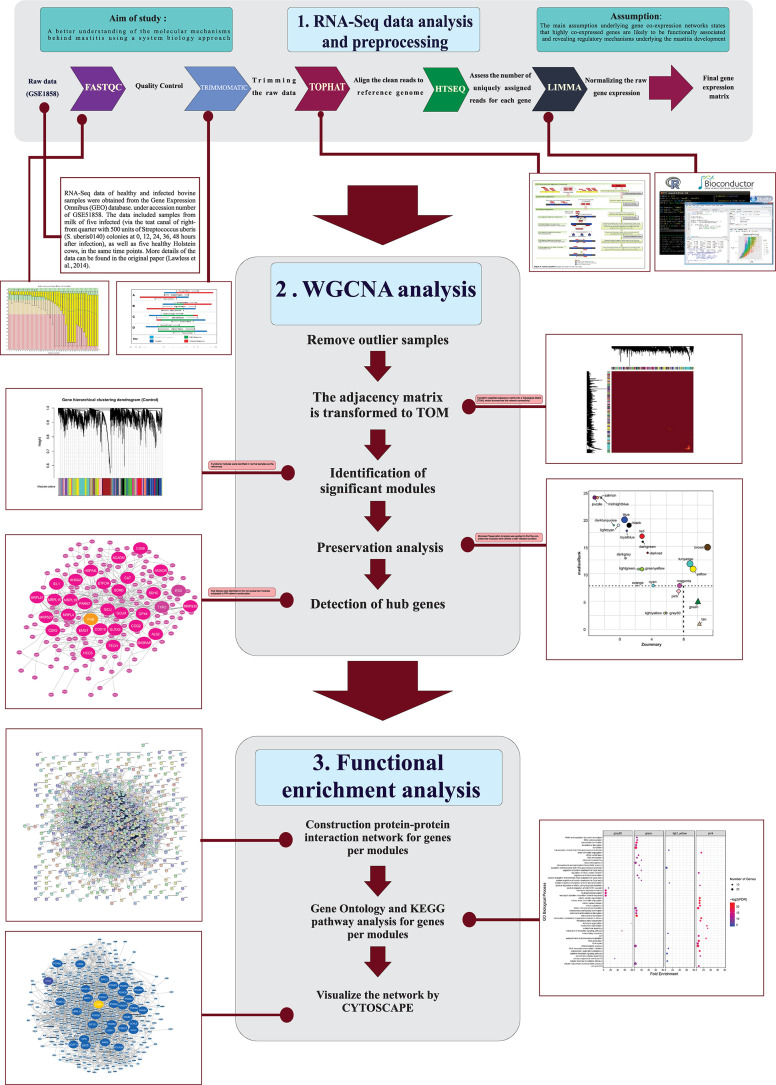
Mastitis is defined as the inflammation of the mammary gland, which impact directly on the production performance and welfare of dairy cattle. Since, mastitis is a multifactorial complex disease and the molecular pathways underlying this disorder have not been clearly understood yet, a system biology approach was used in this study to a better understanding of the molecular mechanisms behind mastitis.
Publicly available RNA-Seq data containing samples from milk of five infected and five healthy Holstein cows at five time points were retrieved. Gene Co-expression network analysis (WGCNA) approach and functional enrichment analysis were then applied with the aim to find the non-preserved module of genes that their connectivity were altered under infected condition. Hub genes were identified in the non-preserved modules and were subjected to protein-protein interactions (PPI) network construction.
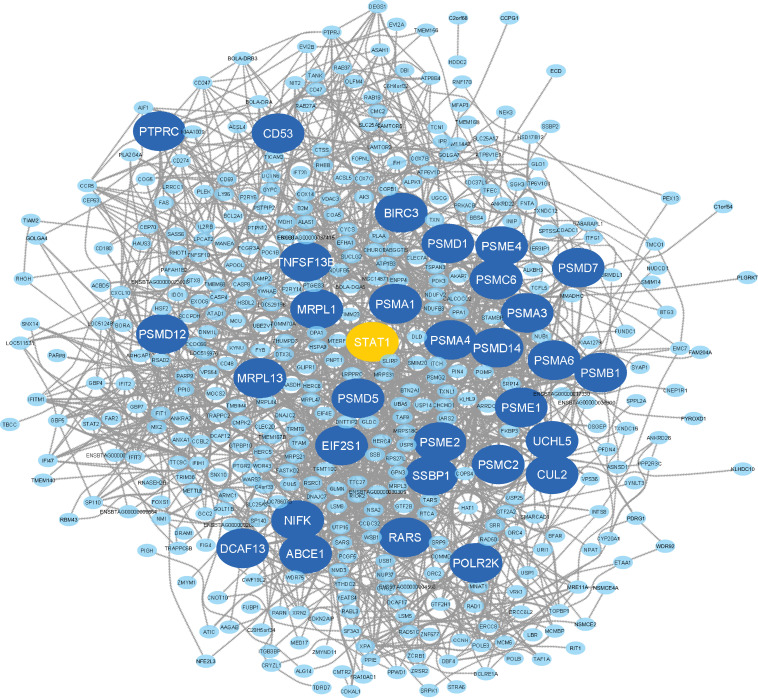
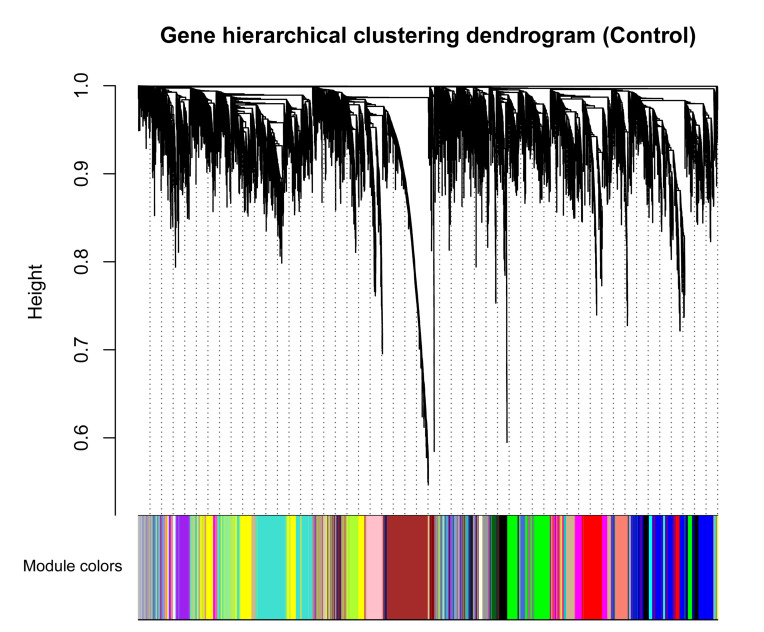
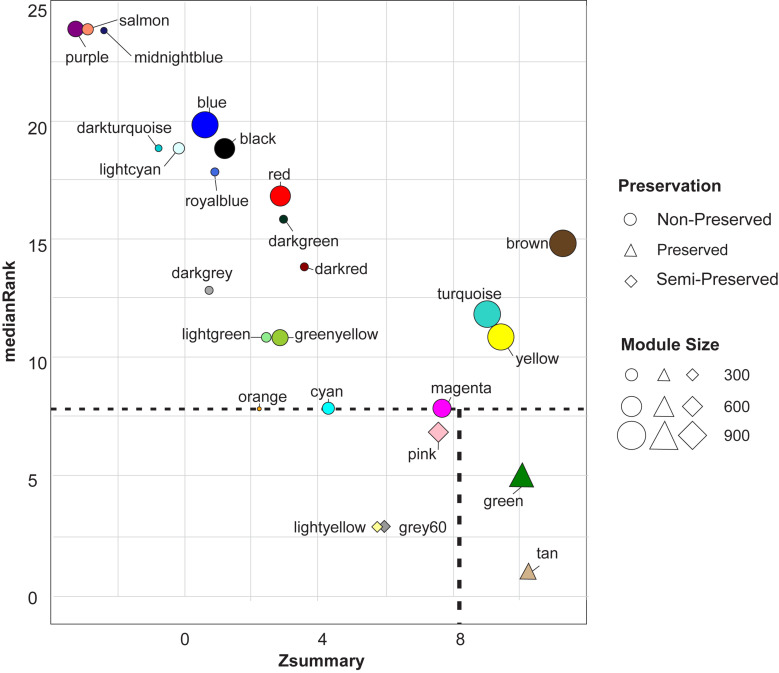
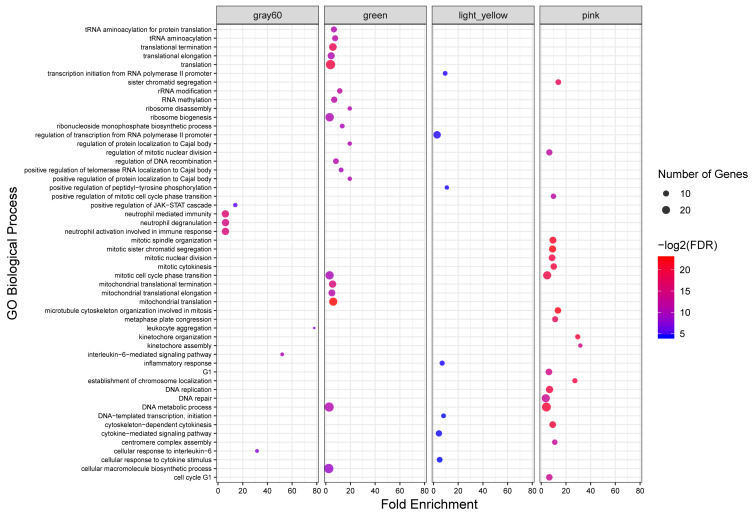
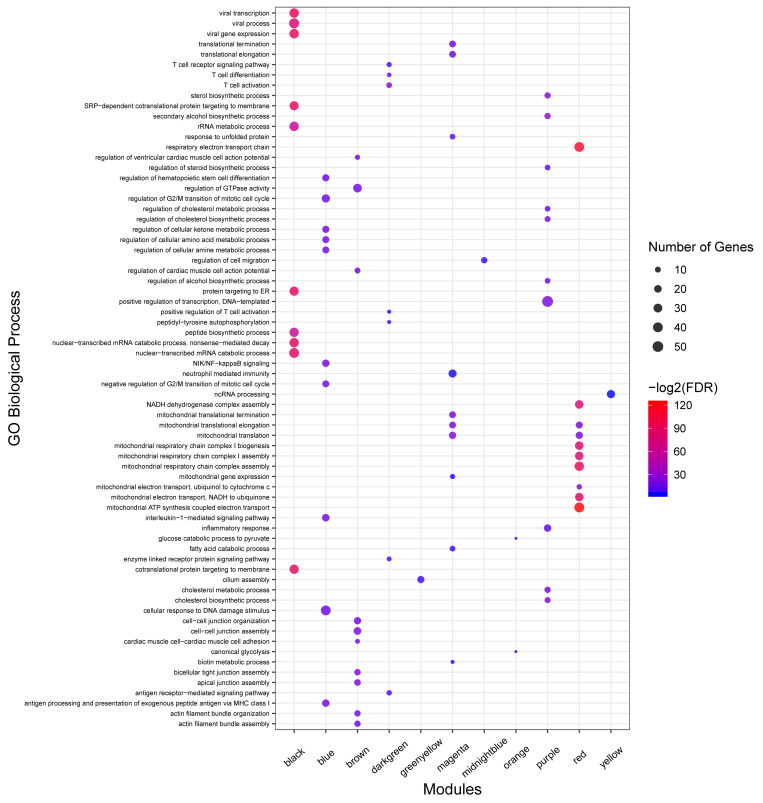
Among the 25 modules identified, eight modules were non-preserved and were also biologically associated with inflammation, immune response and mastitis development. Interestingly most of the hub genes in the eight modules were also densely connected in the PPI network. Of the hub genes, 250 genes were hubs in both co-expression and PPI networks and most of them were reported to play important roles in immune response or inflammatory pathways. The blue module was highly enriched in inflammatory responses and was suggested to play an important role in mastitis development by regulating the immune related genes in this module. Moreover, a set of highly connected genes were identified such as and , which have been established to be critical for mastitis pathogenesis.
This study improved the understanding of the mechanisms underlying bovine mastitis and suggested eight non-preserved modules along with several most important genes with promising potential in etiology of mastitis.
乳腺炎被定义为乳腺的炎症,它直接影响奶牛的生产性能和健康状况。由于乳腺炎是一种多因素复杂疾病,其潜在的分子途径尚未完全明确,因此本研究采用系统生物学方法以更好地理解乳腺炎背后的分子机制。
检索公开可用的RNA测序数据,这些数据包含来自5头感染和5头健康荷斯坦奶牛在5个时间点的牛奶样本。然后应用基因共表达网络分析(WGCNA)方法和功能富集分析,目的是找到在感染条件下其连接性发生改变的非保守基因模块。在非保守模块中鉴定出枢纽基因,并构建蛋白质-蛋白质相互作用(PPI)网络。
在鉴定出的25个模块中,有8个模块是非保守的,并且在生物学上也与炎症、免疫反应和乳腺炎发展相关。有趣的是,这8个模块中的大多数枢纽基因在PPI网络中也紧密相连。在枢纽基因中,有250个基因在共表达和PPI网络中均为枢纽基因,其中大多数基因据报道在免疫反应或炎症途径中发挥重要作用。蓝色模块在炎症反应中高度富集,并被认为通过调节该模块中的免疫相关基因在乳腺炎发展中起重要作用。此外,还鉴定出一组高度连接的基因,如 和 ,它们已被确定对乳腺炎发病机制至关重要。
本研究增进了对牛乳腺炎潜在机制的理解,并提出了8个非保守模块以及几个在乳腺炎病因学方面具有潜在前景的最重要基因。