Zhang Yuwei, Yang Minglei, Ng Derry Minyao, Haleem Maria, Yi Tianfei, Hu Shiyun, Zhu Huangkai, Zhao Guofang, Liao Qi
Hwa Mei Hospital, University of Chinese Academy of Science, Ningbo, Zhejiang, China; Department of Preventative Medicine, Zhejiang Provincial Key Laboratory of Pathophysiology Technology, Medical School of Ningbo University, Ningbo, China; Ningbo Institute of Life and Health Industry, University of Chinese Academy of Sciences.
Hwa Mei Hospital, University of Chinese Academy of Science, Ningbo, Zhejiang, China; Ningbo Institute of Life and Health Industry, University of Chinese Academy of Sciences.
Mol Ther Nucleic Acids. 2020 Sep 4;21:860-873. doi: 10.1016/j.omtn.2020.07.024. Epub 2020 Jul 23.
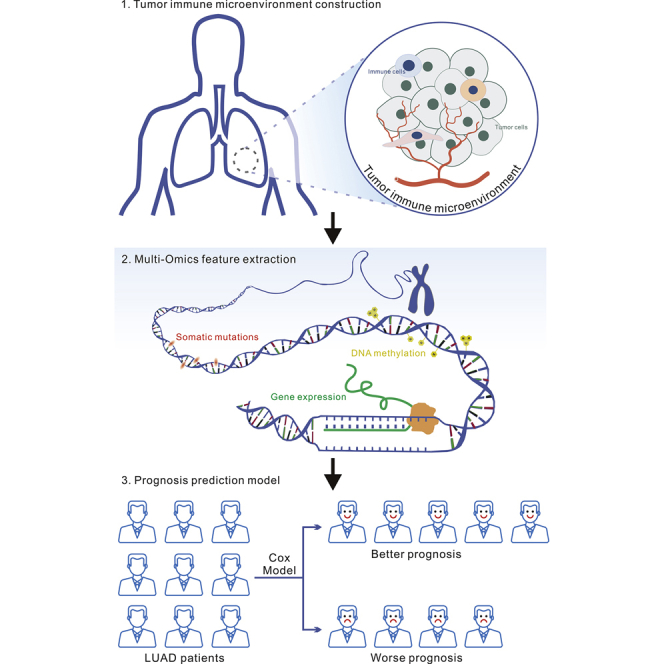
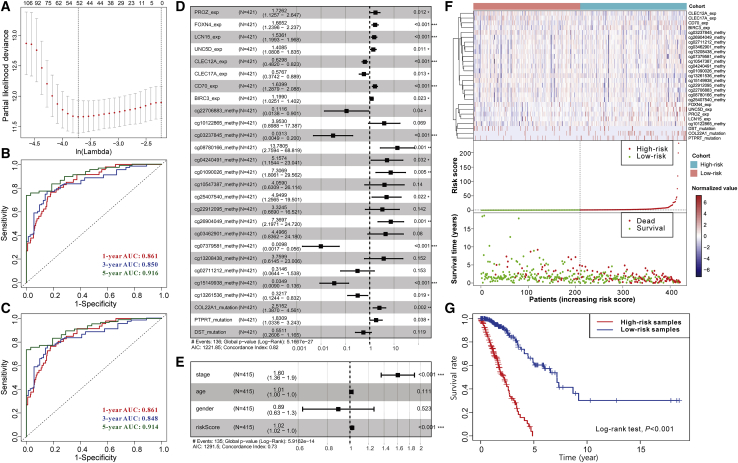
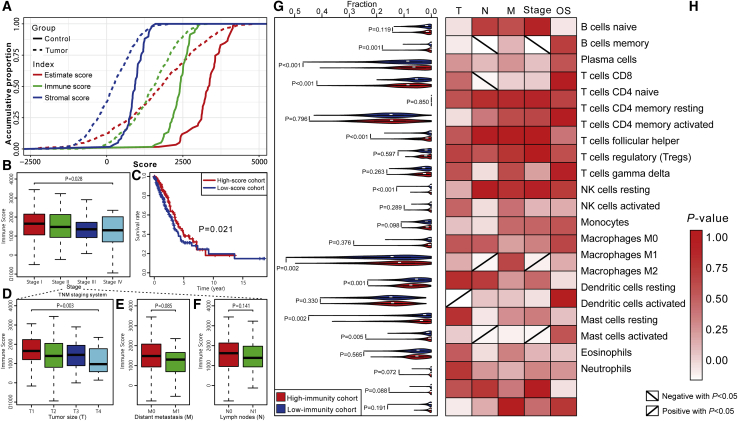
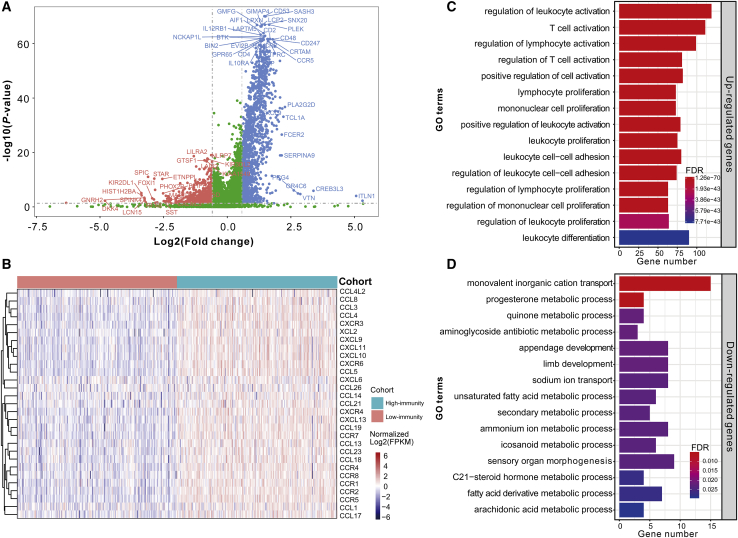
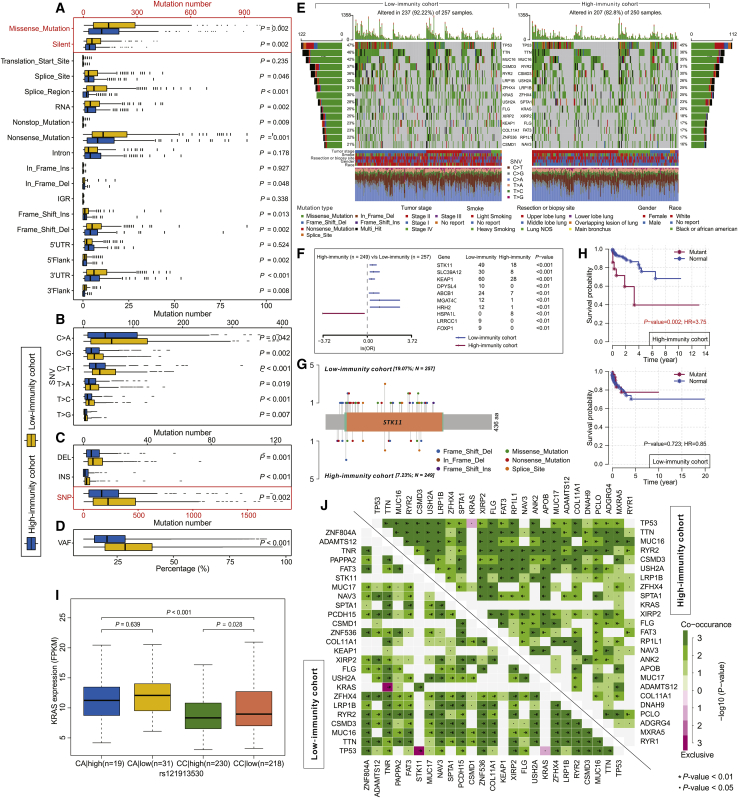
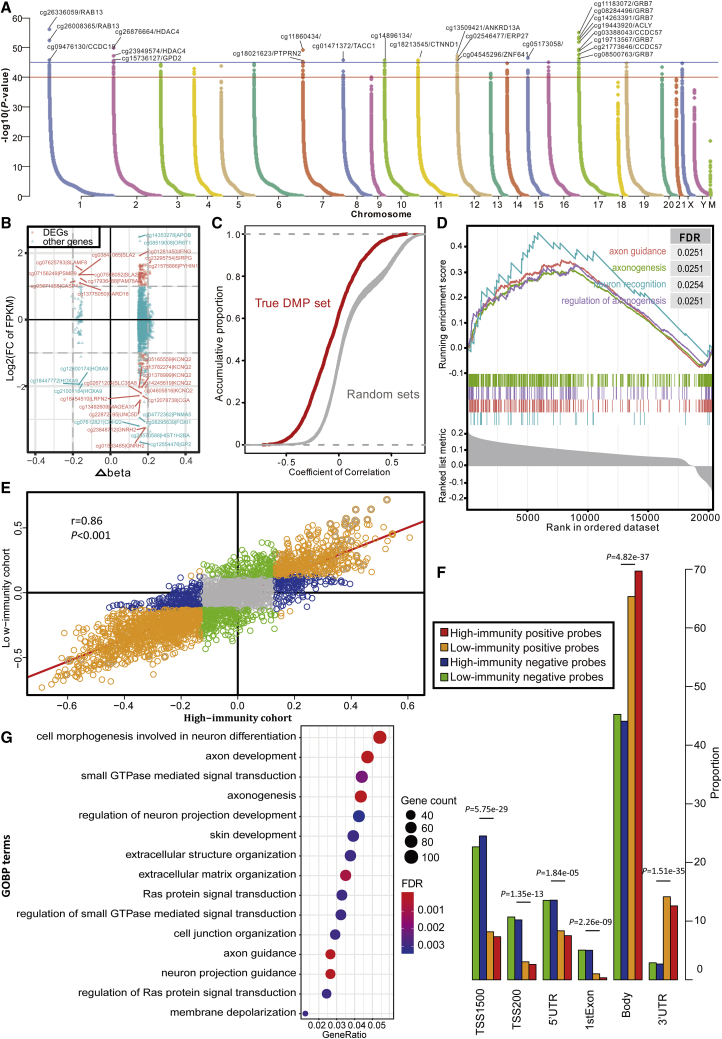
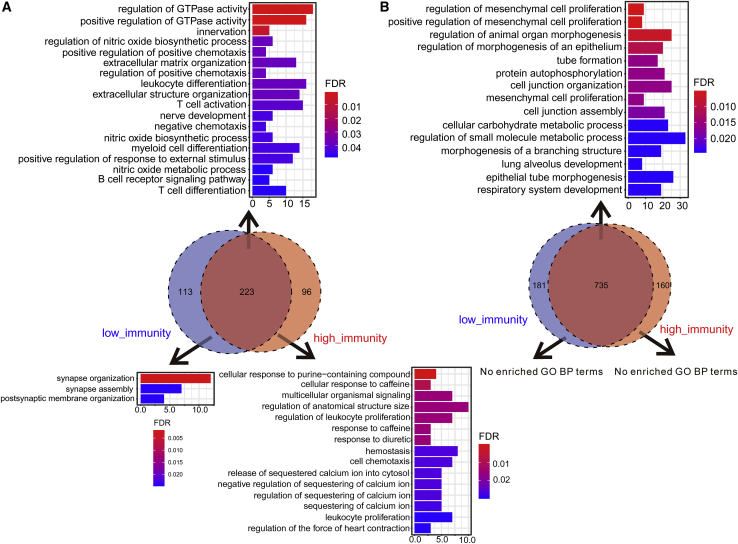
Lung cancer has been the focus of attention for many researchers in recent years for the leading contribution to cancer-related death worldwide, in which lung adenocarcinoma (LUAD) is the most common histological type. However, the potential mechanism behind LUAD initiation and progression remains unclear. Aiming to dissect the tumor microenvironment of LUAD and to discover more informative prognosis signatures, we investigated the immune-related differences in three types of genetic or epigenetic characteristics (expression status, somatic mutation, and DNA methylation) and considered the potential roles that these alterations have in the immune response and both the immune-related metabolic and neural systems by analyzing the multi-omics data from The Cancer Genome Atlas (TCGA) portal. Additionally, a four-step strategy based on lasso regression and Cox regression was used to construct the prognostic prediction model. For the prognostic predictions on the independent test set, the performance of the trained models (average concordance index [C-index] = 0.839) is satisfied, with average 1-year, 3-year, and 5-year areas under the curve (AUCs) equal to 0.796, 0.786, and 0.777. Finally, the overall model was constructed based on all samples, which comprised 27 variables and achieved a high degree of accuracy on the 1-year (AUC = 0.861), 3-year (AUC = 0.850), and 5-year (AUC = 0.916) survival predictions.
近年来,肺癌一直是众多研究人员关注的焦点,因为它在全球癌症相关死亡中占主导地位,其中肺腺癌(LUAD)是最常见的组织学类型。然而,LUAD发生和进展背后的潜在机制仍不清楚。为了剖析LUAD的肿瘤微环境并发现更多有信息量的预后特征,我们研究了三种遗传或表观遗传特征(表达状态、体细胞突变和DNA甲基化)中的免疫相关差异,并通过分析来自癌症基因组图谱(TCGA)数据库的多组学数据,探讨了这些改变在免疫反应以及免疫相关代谢和神经系统中的潜在作用。此外,我们采用基于套索回归和Cox回归的四步策略构建预后预测模型。对于独立测试集的预后预测,训练模型的性能(平均一致性指数[C指数]=0.839)令人满意,1年、3年和5年的平均曲线下面积(AUC)分别为0.796、0.786和0.777。最后,基于所有样本构建了总体模型,该模型包含27个变量,在1年(AUC = 0.861)、3年(AUC = 0.850)和5年(AUC = 0.916)生存预测方面达到了高度准确性。