Department of Health Policy, London School of Economics, London, UK.
CESIfo and IZA Department of Economics and Management, University of Brescia, Brescia, Italy.
Health Econ Policy Law. 2022 Apr;17(2):212-219. doi: 10.1017/S1744133120000353. Epub 2020 Sep 4.
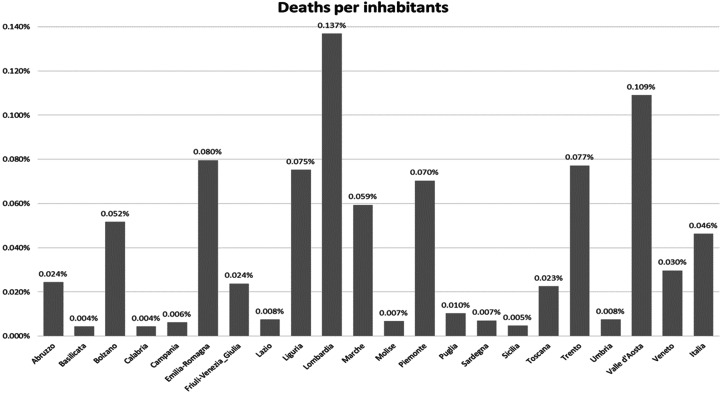
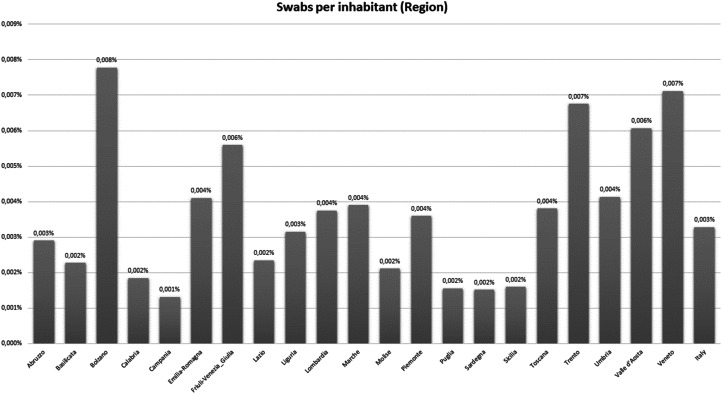
In the last decades, several European health systems have abandoned their vertically integrated health care in favour of some form of managed competition (MC), either in a centralised or decentralised format. However, during a pandemic, MC may put health systems under additional strain as they are designed to follow some form of 'organisational self-interest', and hence face reduced incentives for both provider coordination (e.g. temporary hospital close down, change in the case-mix), and information sharing. We illustrate our argument using evidence for the Covid-19 pandemic outbreak in Italy during March and April 2020, which calls for the development of 'coordination mechanisms' at times of a health emergency.
在过去几十年中,一些欧洲卫生系统放弃了垂直整合的医疗保健模式,转而采用某种形式的管理竞争(MC),无论是集中式还是分散式的模式。然而,在大流行期间,MC 可能会给卫生系统带来额外的压力,因为 MC 是按照某种形式的“组织自身利益”设计的,因此提供者协调(例如临时关闭医院、病例组合变化)和信息共享的动力都会降低。我们使用 2020 年 3 月和 4 月意大利新冠疫情爆发的证据来说明我们的观点,这呼吁在卫生紧急情况下制定“协调机制”。