Department of Chemistry and Biochemistry, City College of New York and CUNY Institute for Macromolecular Assemblies, New York, NY, 10031, USA.
Department of Chemistry and Biochemistry, City College of New York and CUNY Institute for Macromolecular Assemblies, New York, NY, 10031, USA; Ph.D. Program in Biochemistry, The Graduate Center of the City University of New York, New York, NY, 10016, USA.
Solid State Nucl Magn Reson. 2020 Oct;109:101686. doi: 10.1016/j.ssnmr.2020.101686. Epub 2020 Aug 27.
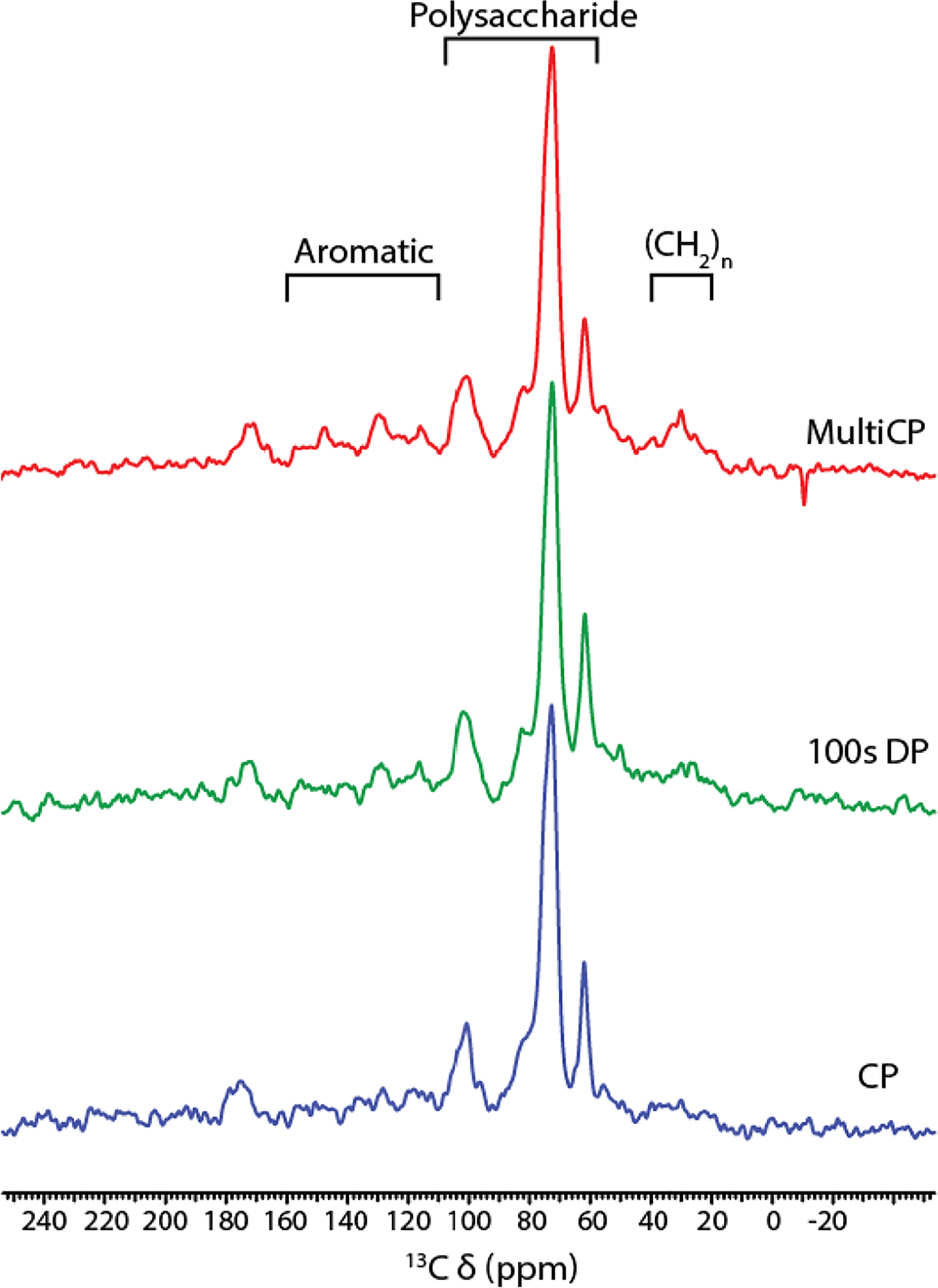
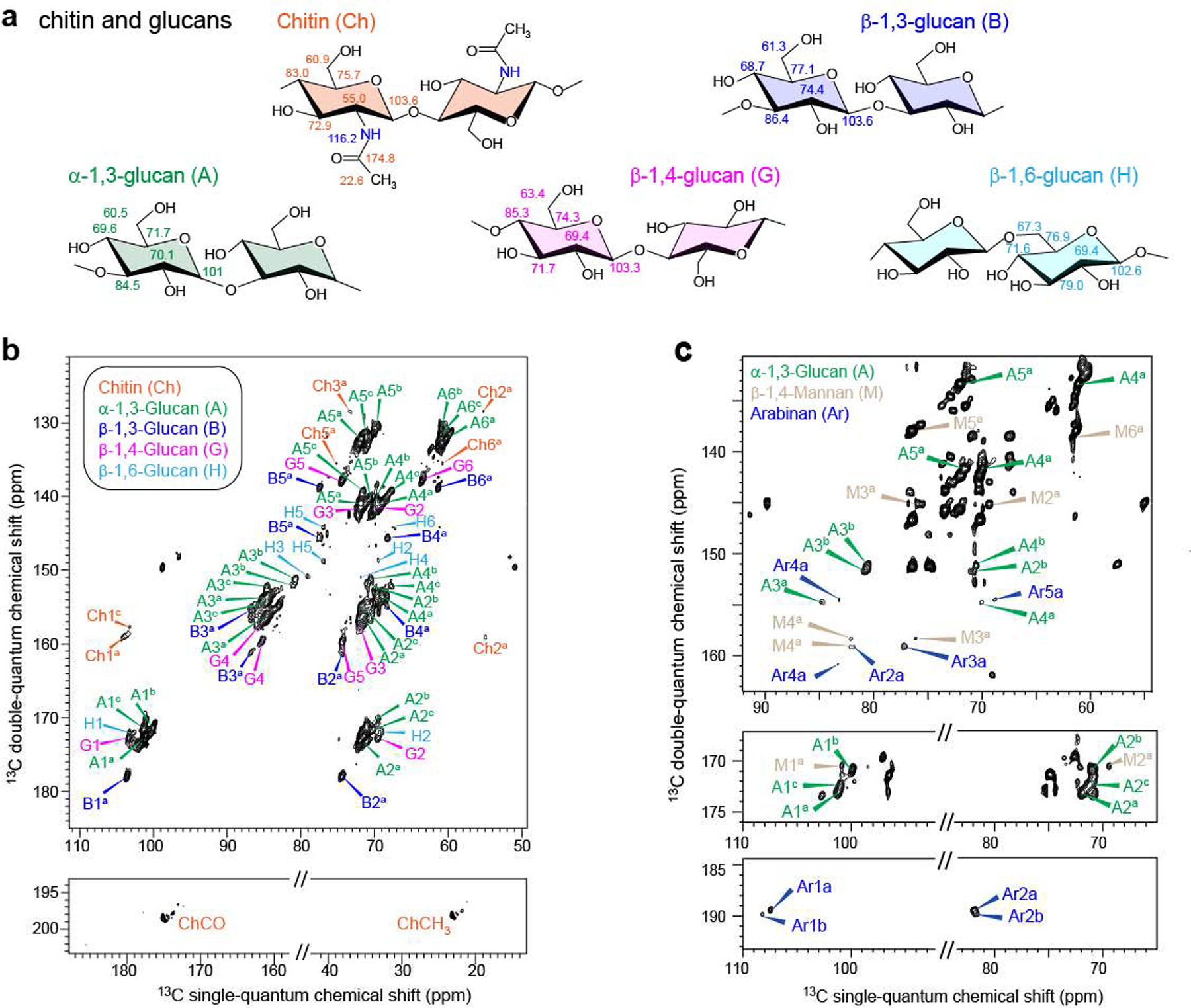
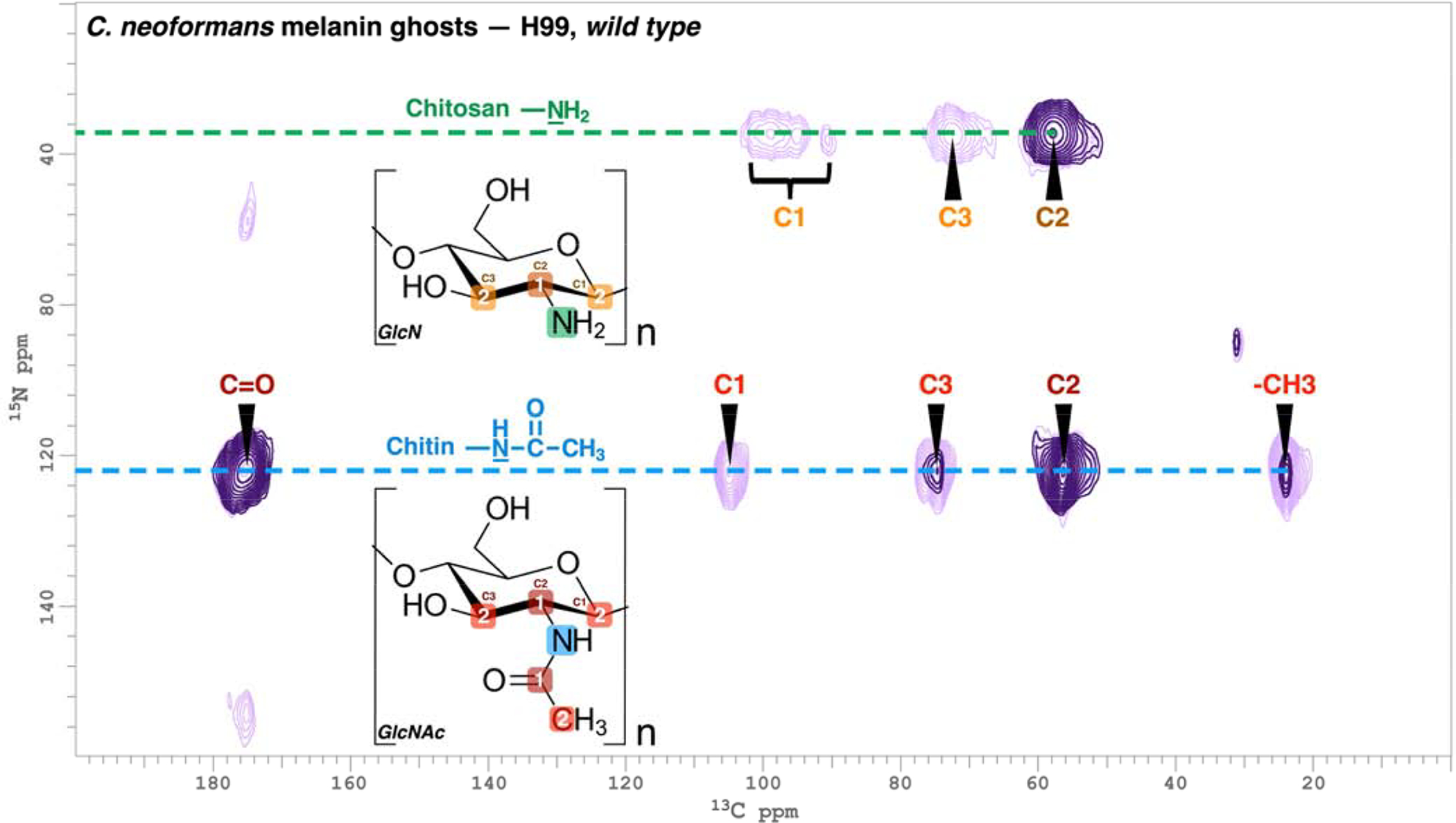
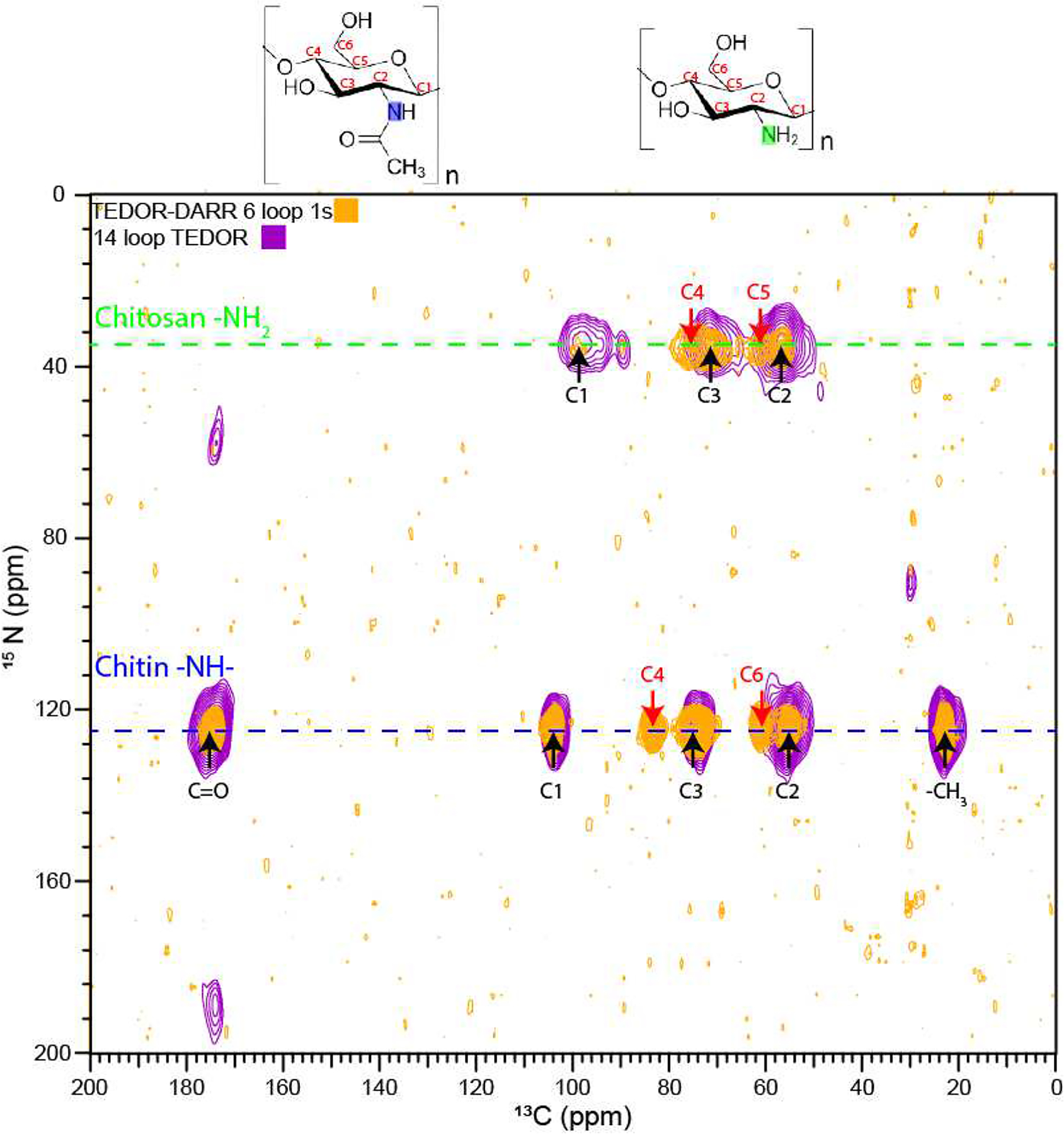
Many interesting solid-state targets for biological research do not form crystalline structures; these materials include intrinsically disordered proteins, plant biopolymer composites, cell-wall polysaccharides, and soil organic matter. The absence of aligned repeating structural elements and atomic-level rigidity presents hurdles to achieving structural elucidation and obtaining functional insights. We describe strategies for adapting several solid-state NMR methods to determine the molecular structures and compositions of these amorphous biosolids. The main spectroscopic problems in studying amorphous structures by NMR are over/under-sampling of the spin signals and spectral complexity. These problems arise in part because amorphous biosolids typically contain a mix of rigid and mobile domains, making it difficult to select a single experiment or set of acquisition conditions that fairly represents all nuclear spins in a carbon-based organic sample. These issues can be addressed by running hybrid experiments, such as using direct excitation alongside cross polarization-based methods, to develop a more holistic picture of the macromolecular system. In situations of spectral crowding or overlap, the structural elucidation strategy can be further assisted by coupling C spins to nuclei such as N, filtering out portions of the spectrum, highlighting individual moieties of interest, and adding a second or third spectral dimension to an NMR experiment in order to spread out the resonances and link them pairwise through space or through bonds. We discuss practical aspects and illustrations from the recent literature for 1D experiments that use cross or direct polarization and both homo- and heteronuclear 2D and 3D solid-state NMR experiments.
许多用于生物研究的有趣的固态靶标都不形成结晶结构; 这些材料包括天然无序蛋白质、植物生物聚合物复合材料、细胞壁多糖和土壤有机质。缺乏定向重复的结构元素和原子级刚性给实现结构阐明和获得功能见解带来了障碍。我们描述了几种固态 NMR 方法的策略,用于确定这些无定形生物固体的分子结构和组成。通过 NMR 研究无定形结构的主要光谱问题是自旋信号的过采样/欠采样和光谱复杂性。这些问题部分源于无定形生物固体通常含有刚性和可移动的区域混合,使得很难选择单个实验或一组采集条件来公平地代表基于碳的有机样品中的所有核自旋。通过运行混合实验,例如直接激发与基于交叉极化的方法一起使用,可以解决这些问题,从而对大分子系统有一个更全面的了解。在光谱拥挤或重叠的情况下,结构阐明策略可以通过将 C 自旋耦合到 N 等核来进一步辅助,过滤出部分光谱,突出感兴趣的单个基团,并在 NMR 实验中添加第二或第三个光谱维度,以便扩展共振并通过空间或通过键将它们成对链接。我们讨论了使用交叉或直接极化以及同核和异核 2D 和 3D 固态 NMR 实验的 1D 实验的实用方面和最近文献中的说明。