
微小RNA调控内皮细胞和血管平滑肌细胞的衰老
MicroRNAs orchestrating senescence of endothelial and vascular smooth muscle cells.
作者信息
Colpani Ornella, Spinetti Gaia
机构信息
IRCCS MultiMedica, Milan, Italy.
出版信息
Vasc Biol. 2019 Aug 12;1(1):H75-H81. doi: 10.1530/VB-19-0017. eCollection 2019.
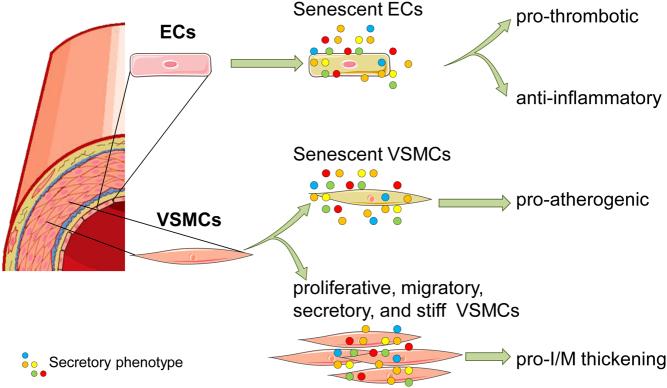
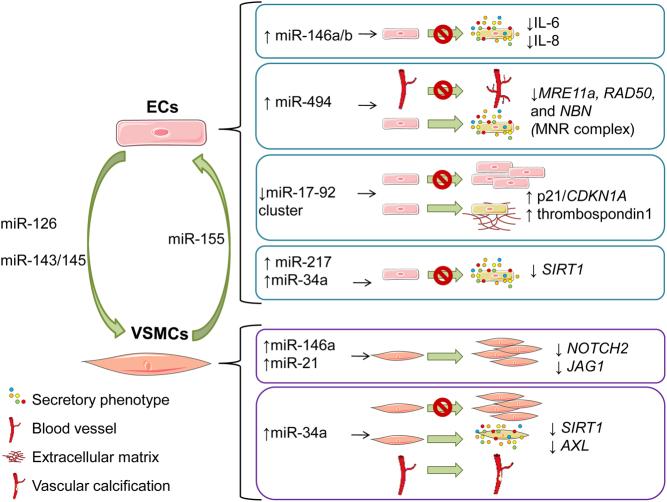
During organism aging, the process of cellular senescence is triggered by critical stressors such as DNA damage, oncogenes, oxidative stress, and telomere erosion, and vascular cells are not exempted. Senescent cells stop proliferating but remain metabolically active producing pro-inflammatory signals in the environment collectively named senescence-associated secretory phenotype (SASP) that contribute to the amplification of the response to the neighbor and distant cells. Although the shift toward senescence is protective against tumors and needed during wound healing, the accumulation of senescent cells during aging due to an impairment of the immune system deputed to their clearance, can predispose to diseases of the cardiovascular system such as atherosclerosis. In this short review, we describe the main features of senescence of endothelial and smooth muscle cells and focus on the role non-coding RNAs of the microRNAs class in controlling this process. Finally, we discuss the potential of new strategies based on senescence removal in counteracting vascular disease burden.
在生物体衰老过程中,细胞衰老过程由DNA损伤、癌基因、氧化应激和端粒侵蚀等关键应激源触发,血管细胞也不例外。衰老细胞停止增殖,但仍保持代谢活性,在环境中产生促炎信号,这些信号统称为衰老相关分泌表型(SASP),有助于放大对邻近细胞和远处细胞的反应。尽管向衰老的转变对肿瘤具有保护作用,且在伤口愈合过程中是必需的,但由于负责清除衰老细胞的免疫系统受损,衰老细胞在衰老过程中的积累会增加患心血管系统疾病(如动脉粥样硬化)的风险。在这篇简短的综述中,我们描述了内皮细胞和平滑肌细胞衰老的主要特征,并重点关注微小RNA类非编码RNA在控制这一过程中的作用。最后,我们讨论了基于清除衰老细胞的新策略在对抗血管疾病负担方面的潜力。
 Zotero 插件