Tarnawska Dorota, Balin Katarzyna, Jastrzębska Maria, Talik Agnieszka, Wrzalik Roman
Institute of Biomedical Engineering, Faculty of Science and Technology, University of Silesia, 41-200 Sosnowiec, Poland.
Department of Ophthalmology, District Railway Hospital, Panewnicka 65, 40-760 Katowice, Poland.
Materials (Basel). 2020 Sep 17;13(18):4145. doi: 10.3390/ma13184145.
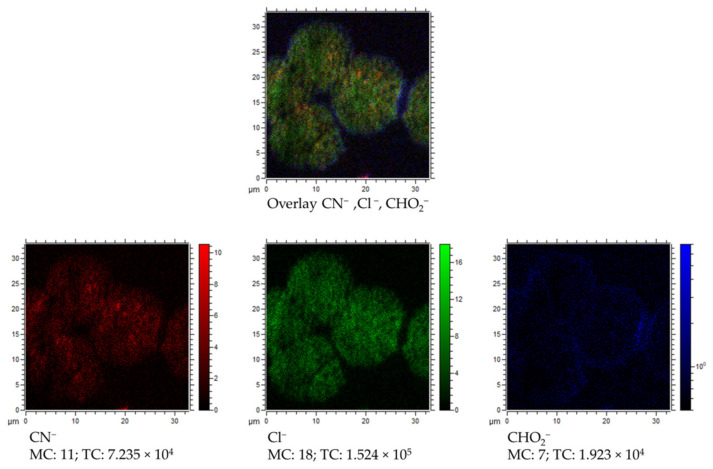
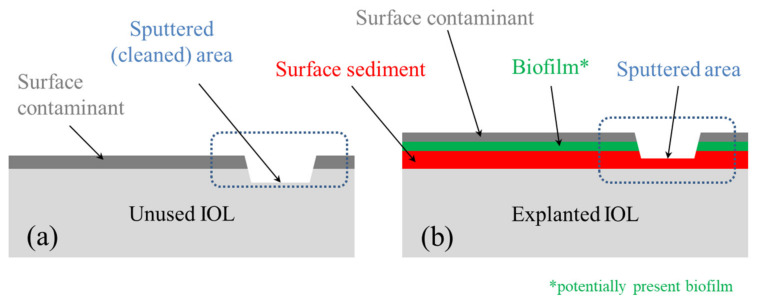
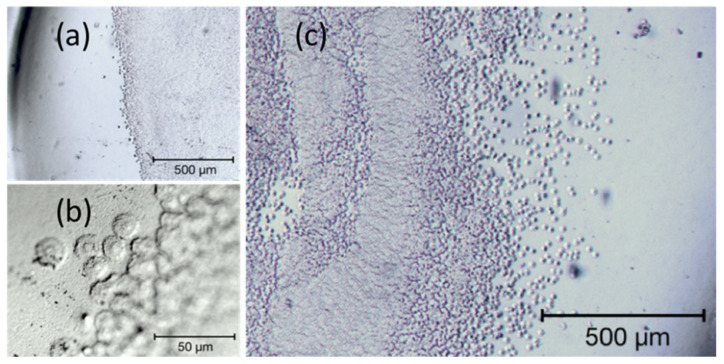
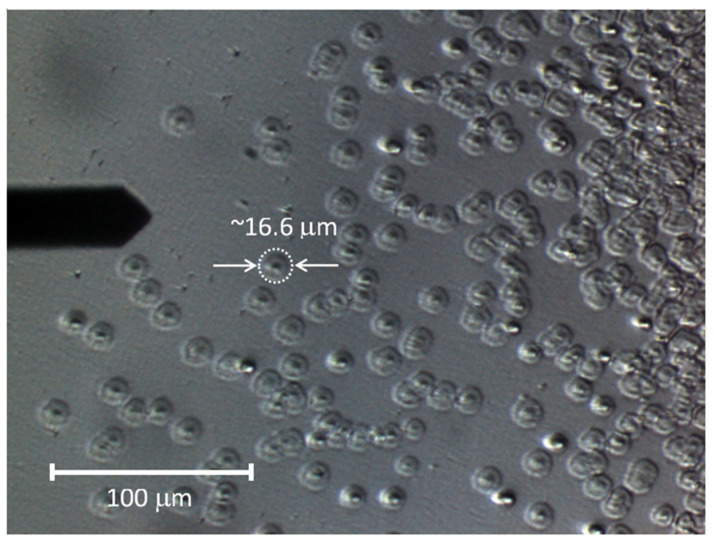
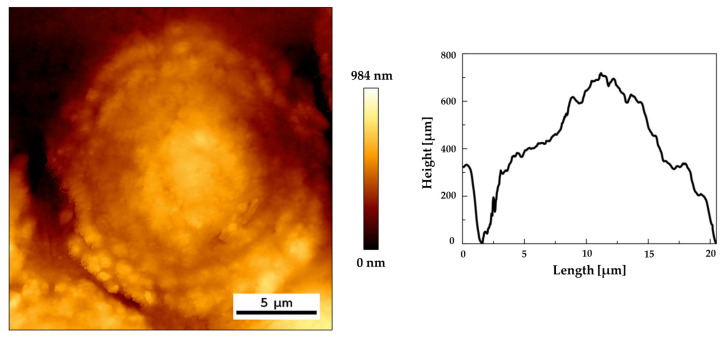
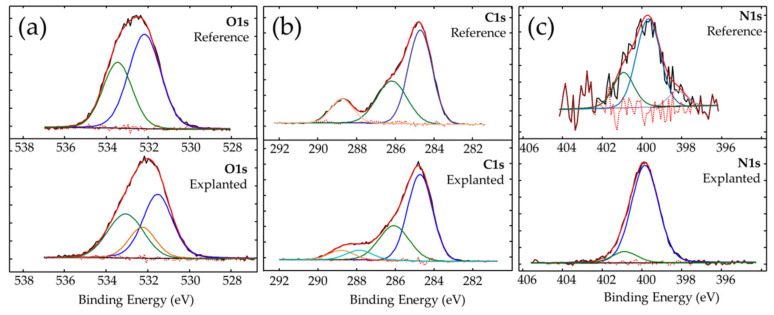
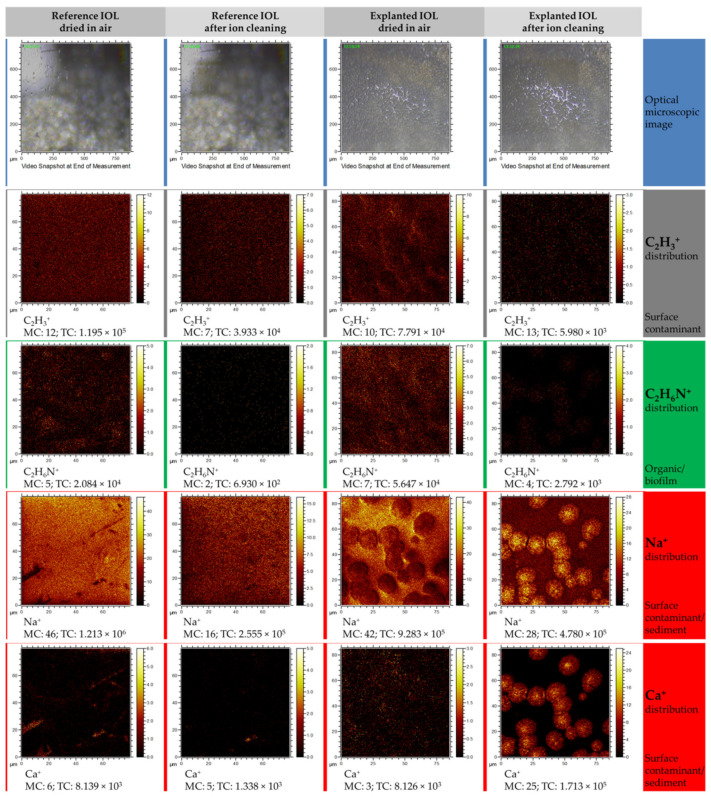
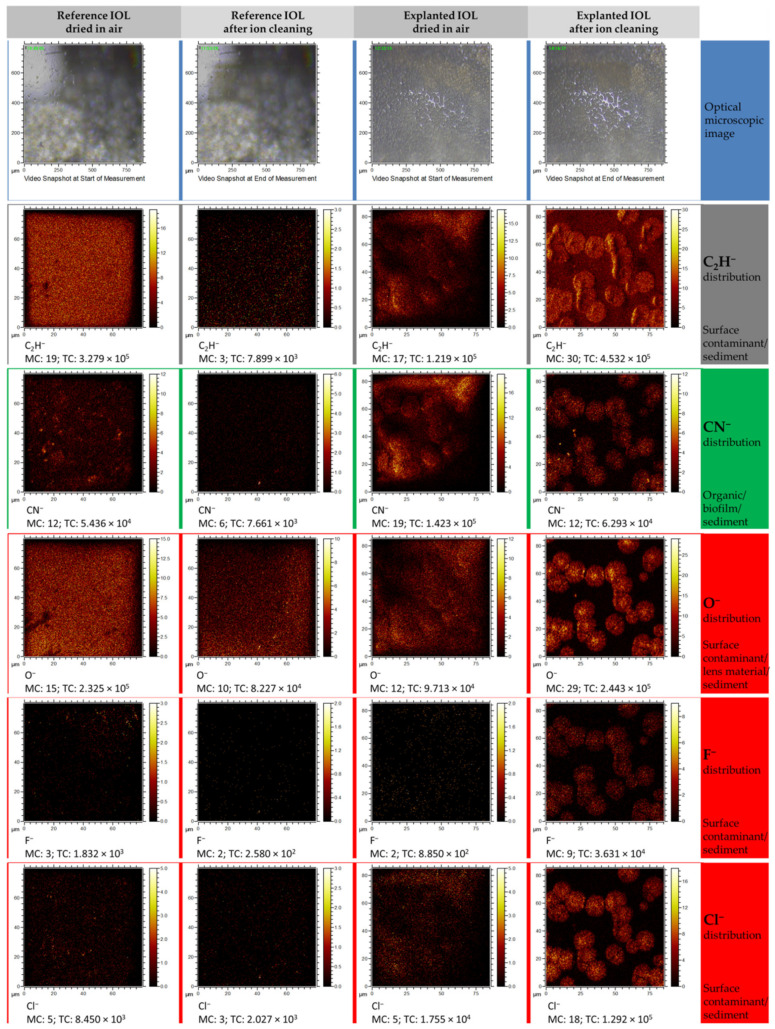
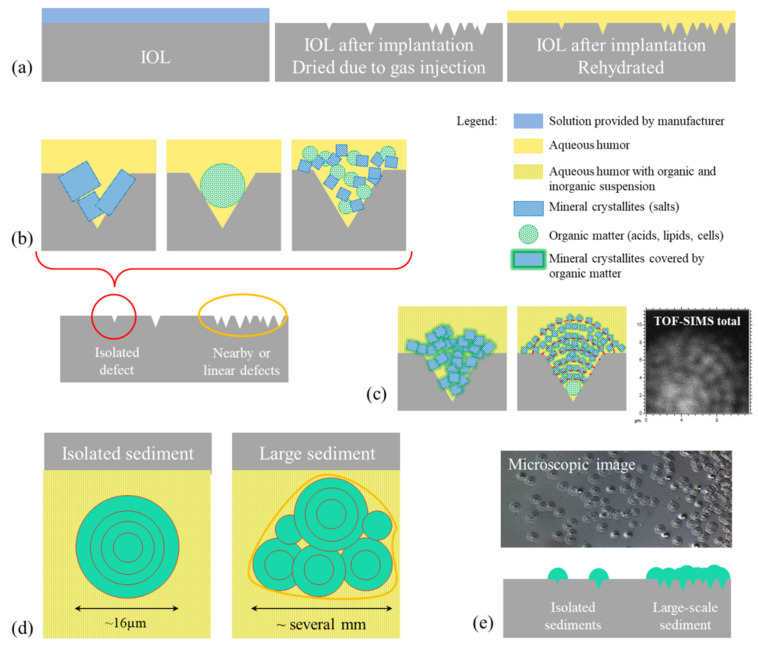
An intraocular lens (IOL) is a synthetic, artificial lens placed inside the eye that replaces a natural lens that is surgically removed, usually as part of cataract surgery. The opacification of the artificial lens can be related to the formation of the sediments on its surface and could seriously impair vision. The physicochemical analysis was performed on an explanted hydrophilic IOL and compared to the unused one, considered as a reference IOL. The studies were carried out using surface sensitive techniques, which can contribute to a better understanding of the sedimentation process on hydrophilic IOLs' surfaces. The microscopic studies allowed us to determine the morphology of sediments observed on explanted IOL. The photoelectron spectroscopy measurements revealed the presence of organic and inorganic compounds at the lens surface. Mass spectroscopy measurements confirmed the chemical composition of deposits and allowed for chemical imaging of the IOL surface. Applied techniques allowed to obtain a new set of information approximating the origin of the sediments' formation on the surface of the hydrophilic IOLs after Descemet's stripping endothelial keratoplasty.
人工晶状体(IOL)是一种放置在眼内的合成人造晶状体,用于替代通常在白内障手术中被手术摘除的天然晶状体。人工晶状体的混浊可能与其表面沉积物的形成有关,并可能严重损害视力。对一个摘除的亲水性人工晶状体进行了物理化学分析,并与未使用的人工晶状体(作为参考人工晶状体)进行了比较。研究采用了表面敏感技术,这有助于更好地理解亲水性人工晶状体表面的沉积过程。显微镜研究使我们能够确定在摘除的人工晶状体上观察到的沉积物的形态。光电子能谱测量揭示了晶状体表面存在有机和无机化合物。质谱测量证实了沉积物的化学成分,并实现了人工晶状体表面的化学成像。所应用的技术使我们能够获得一组新的信息,这些信息近似于在Descemet膜剥脱性内皮角膜移植术后亲水性人工晶状体表面沉积物形成的起源。