Alzeeb George, Metges Jean-Philippe, Corcos Laurent, Le Jossic-Corcos Catherine
Inserm, University Brest, EFS, UMR 1078, GGB, F-29200 Brest, France.
CHU de Brest, Inserm, University Brest, EFS, UMR 1078, GGB, F-29200 Brest, France.
Cancers (Basel). 2020 Sep 29;12(10):2800. doi: 10.3390/cancers12102800.
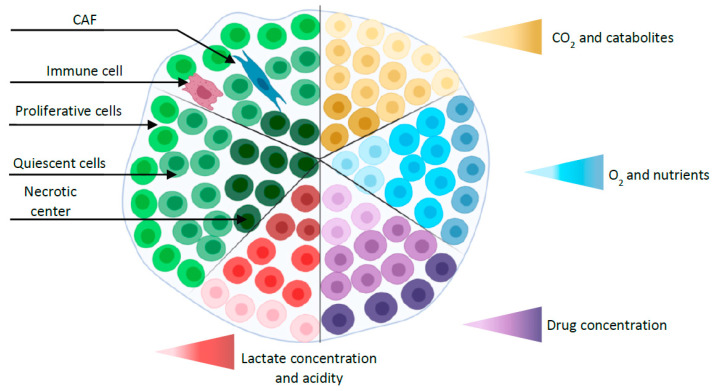
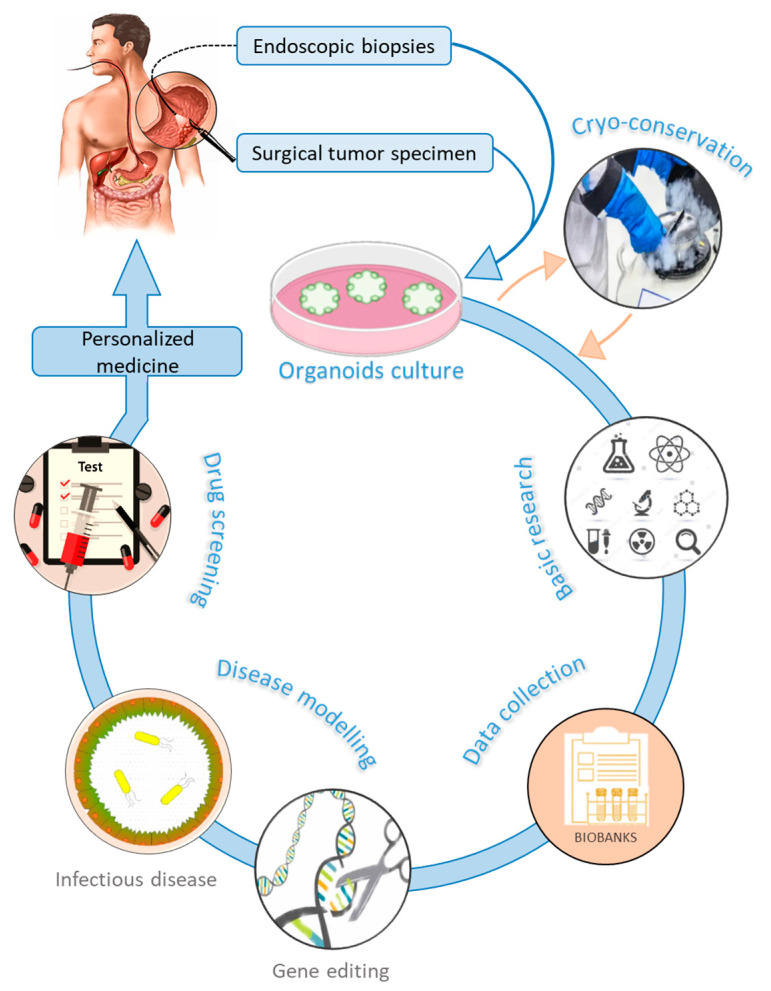
Gastric cancer (GC), which includes cancer of the esophagus, the oesophagogastric junction, and the stomach fundus, is highly deadly with strong regional influence, Asia being the most affected. GC is often detected at late stages, with 30% of metastatic cases at diagnosis. Many authors have devised models to both unravel the mechanisms of GC development and to evaluate candidate therapeutics. Among these models, 2D-cell cultures are progressively replaced by 3D-cell cultures that recapitulate, much more comprehensively, tumor cellular and genetic heterogeneity, as well as responsiveness to environmental changes, such as exposure to drugs or irradiation. With respect to the specifics of GC, there are high hopes from such model systems, especially with the aim of identifying prognostic markers and novel drug targets.
胃癌(GC)包括食管癌、食管胃交界癌和胃底癌,致死率高,具有很强的区域影响,亚洲受影响最为严重。GC通常在晚期才被发现,诊断时30%的病例已有转移。许多作者设计了模型,以阐明GC的发生机制并评估候选治疗方法。在这些模型中,二维细胞培养正逐渐被三维细胞培养所取代,三维细胞培养更全面地概括了肿瘤细胞和基因的异质性,以及对环境变化(如接触药物或辐射)的反应。就GC的具体情况而言,人们对这类模型系统寄予厚望,特别是希望借此识别预后标志物和新的药物靶点。