Department of Diagnostic Radiology Technology, Faculty of Applied Medical Sciences, Taibah University, Madinah, Saudi Arabia.
Radiography (Lond). 2021 May;27(2):682-687. doi: 10.1016/j.radi.2020.09.010. Epub 2020 Sep 21.
To review the available literature concerning the effectiveness of the COVID-19 diagnostic tools.
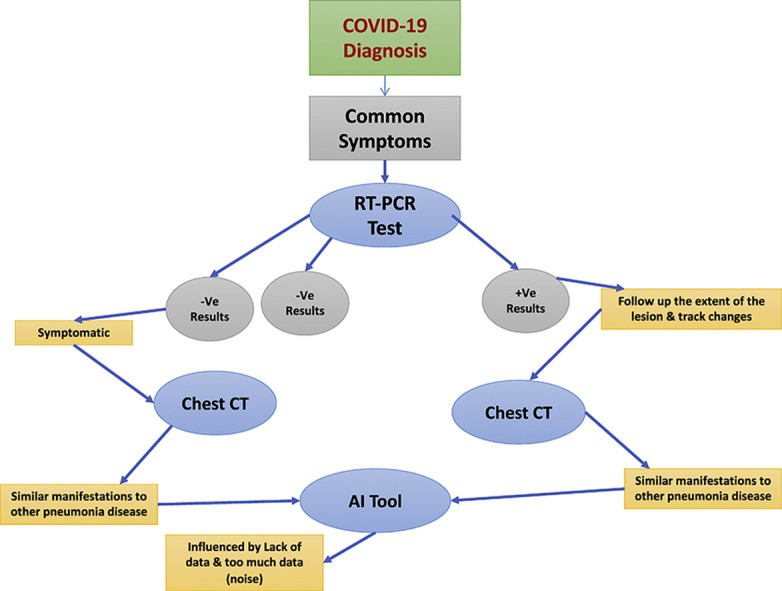
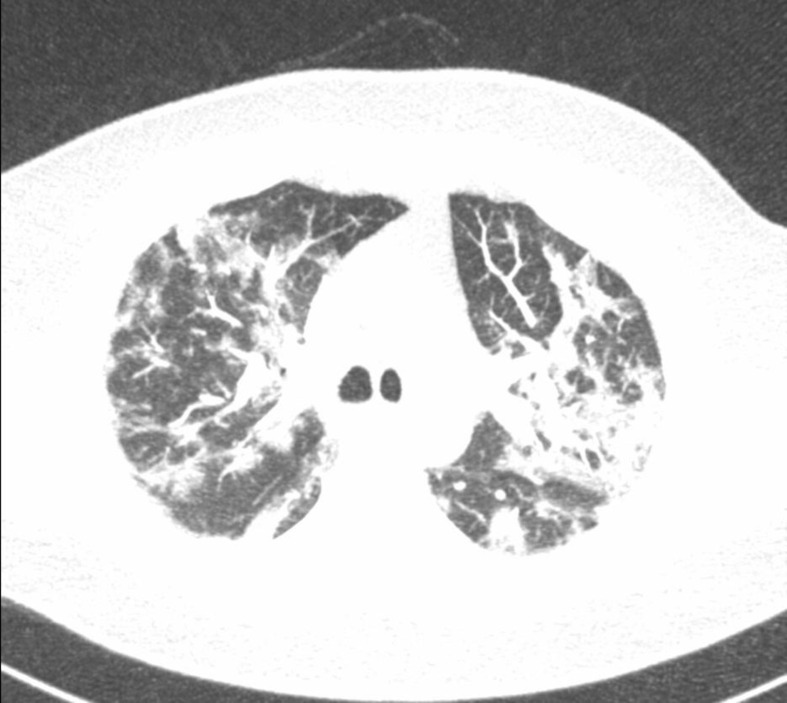
With the absence of specific treatment/vaccines for the coronavirus COVID-19, the most appropriate approach to control this infection is to quarantine people and isolate symptomatic people and suspected or infected cases. Although real-time reverse transcription-polymerase chain reaction (RT-PCR) assay is considered the first tool to make a definitive diagnosis of COVID-19 disease, the high false negative rate, low sensitivity, limited supplies and strict requirements for laboratory settings might delay accurate diagnosis. Computed tomography (CT) has been reported as an important tool to identify and investigate suspected patients with COVID-19 disease at early stage.
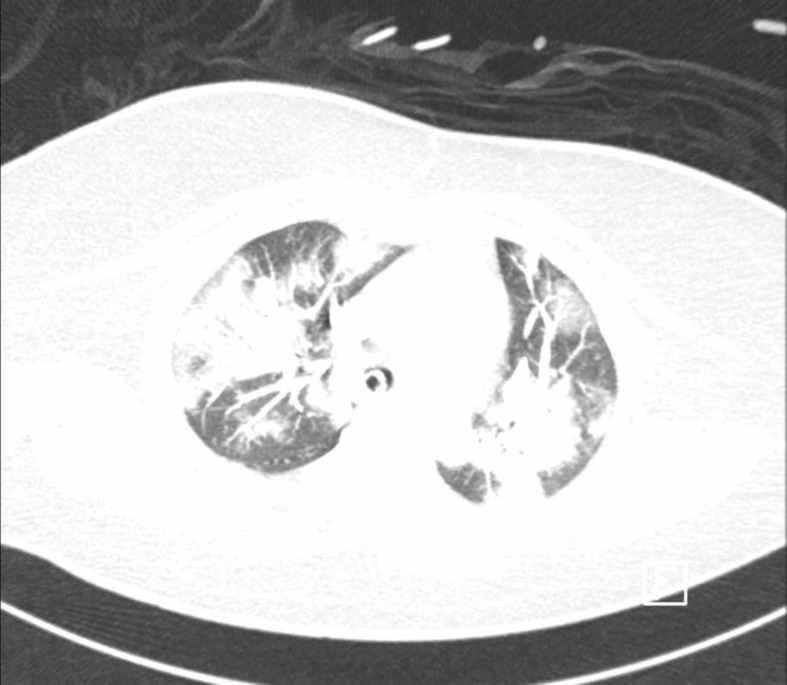
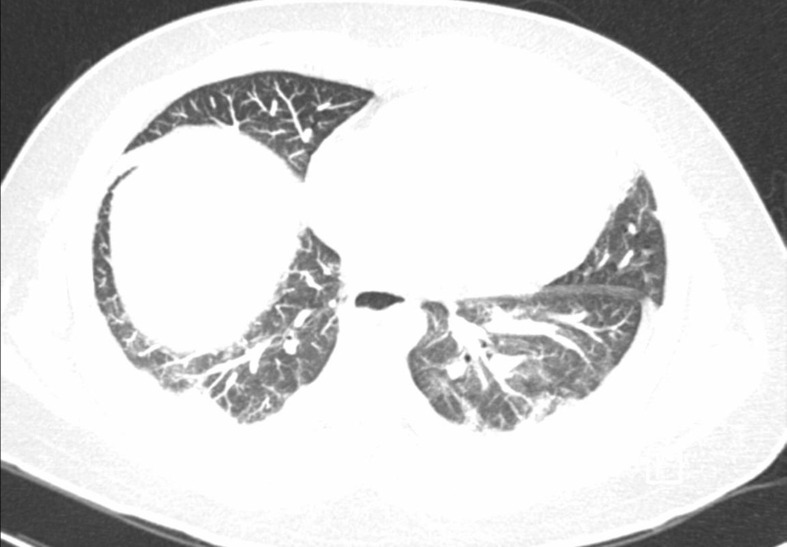
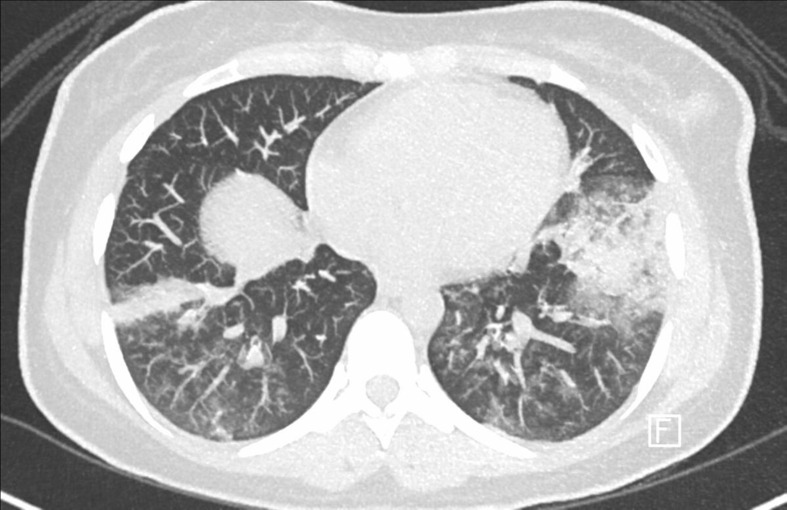
RT-PCR shows low sensitivity (60-71%) in diagnosing patients with COVID-19 infection compared to the CT chest. Several studies reported that chest CT scans show typical imaging features in all patients with COVID-19. This high sensitivity and initial presentation in CT chest can be helpful in rectifying false negative results obtained from RT-PCR. As COVID-19 has similar manifestations to other pneumonia diseases, artificial intelligence (AI) might help radiologists to differentiate COVID-19 from other pneumonia diseases.
Although CT scan is a powerful tool in COVID-19 diagnosis, it is not sufficient to detect COVID-19 alone due to the low specificity (25%), and challenges that radiologists might face in differentiating COVID-19 from other viral pneumonia on chest CT scans. AI might help radiologists to differentiate COVID-19 from other pneumonia diseases.
Both RT-PCR and CT tests together would increase sensitivity and improve quarantine efficacy, an impact neither could achieve alone.
综述关于 COVID-19 诊断工具有效性的现有文献。
由于目前针对冠状病毒 COVID-19 缺乏特效治疗药物和疫苗,控制这种感染的最适当方法是隔离感染者和有症状者以及疑似或感染病例。尽管实时逆转录聚合酶链反应(RT-PCR)检测被认为是明确诊断 COVID-19 疾病的首要工具,但高假阴性率、低灵敏度、有限的供应以及对实验室环境的严格要求可能会延迟准确诊断。CT 已被报道为识别和调查 COVID-19 疾病疑似患者的重要工具,可以在早期进行。
与 CT 胸部相比,RT-PCR 显示对 COVID-19 感染患者的诊断灵敏度较低(60-71%)。一些研究报告称,胸部 CT 扫描显示所有 COVID-19 患者均有典型的影像学特征。CT 胸部检查的高灵敏度和初始表现有助于纠正 RT-PCR 获得的假阴性结果。由于 COVID-19 与其他肺炎疾病具有相似的表现,人工智能(AI)可能有助于放射科医生区分 COVID-19 与其他肺炎疾病。
尽管 CT 扫描是 COVID-19 诊断的有力工具,但由于特异性(25%)低,并且放射科医生在 CT 胸部扫描上区分 COVID-19 与其他病毒性肺炎时可能面临挑战,因此仅凭 CT 扫描不足以单独检测 COVID-19。AI 可能有助于放射科医生区分 COVID-19 与其他肺炎疾病。
RT-PCR 和 CT 检测联合应用可提高灵敏度,增强隔离效果,单凭任何一种方法都无法实现。