Araya Felipe
Departamento de Obras Civiles, Universidad Técnica Federico Santa María, Avenida España 1680, Valparaíso, Chile.
Saf Sci. 2021 Jan;133:105022. doi: 10.1016/j.ssci.2020.105022. Epub 2020 Sep 29.
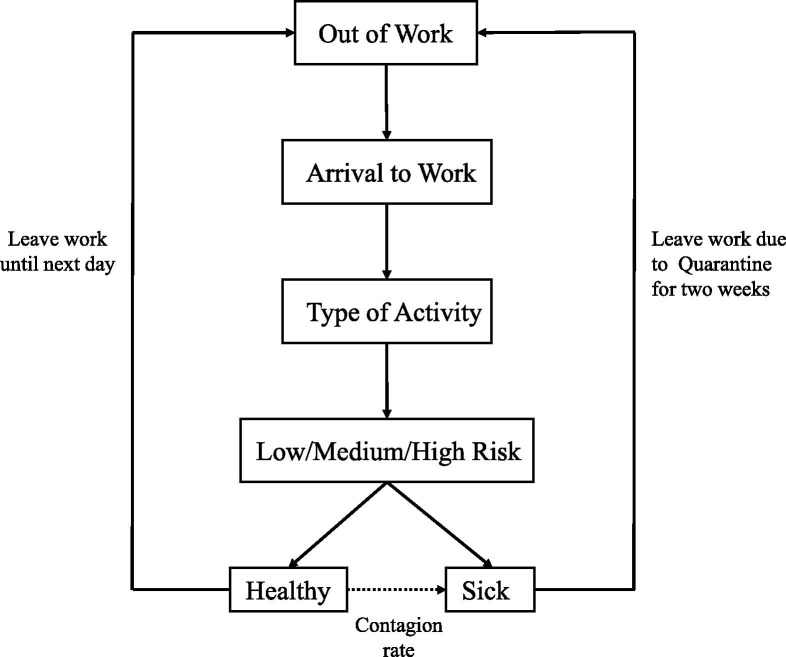
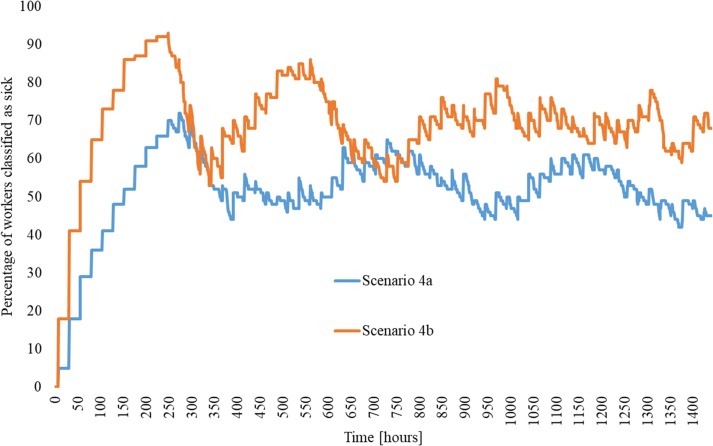
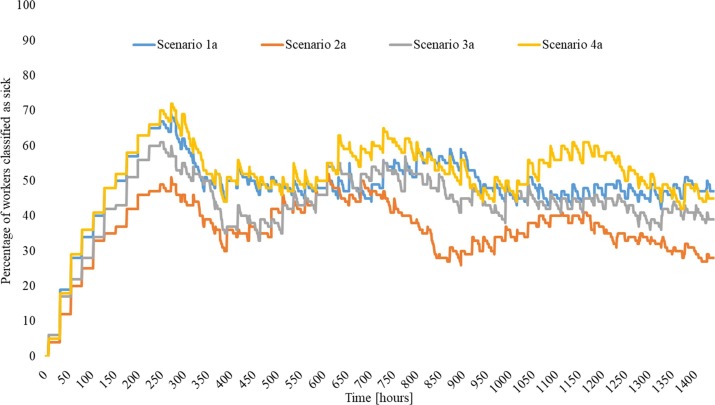
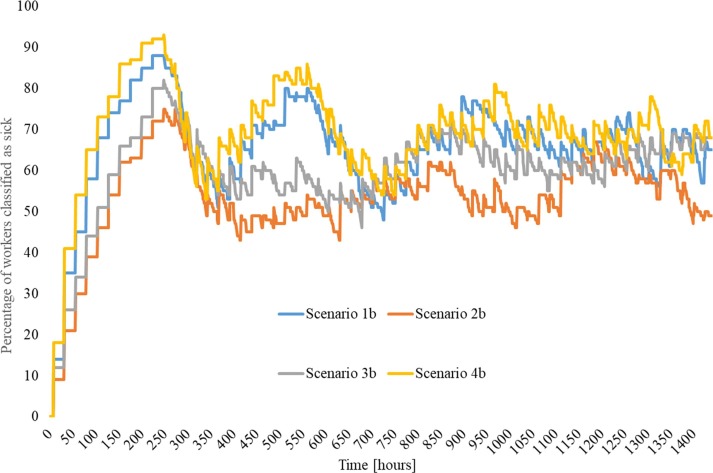
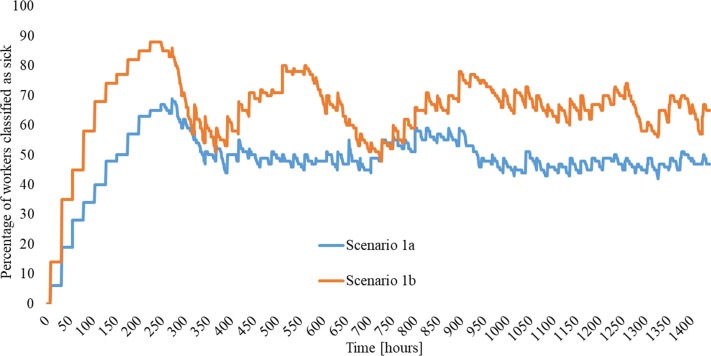
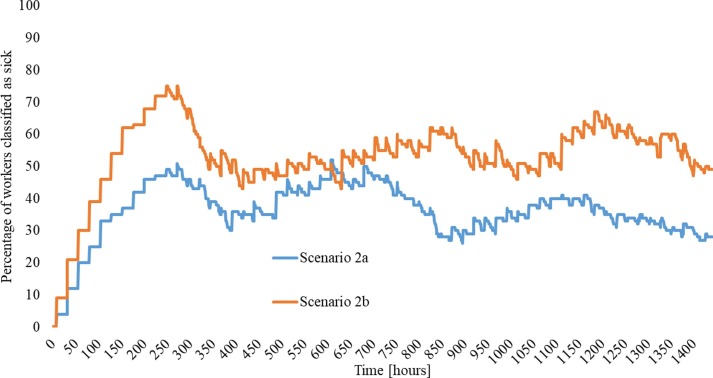
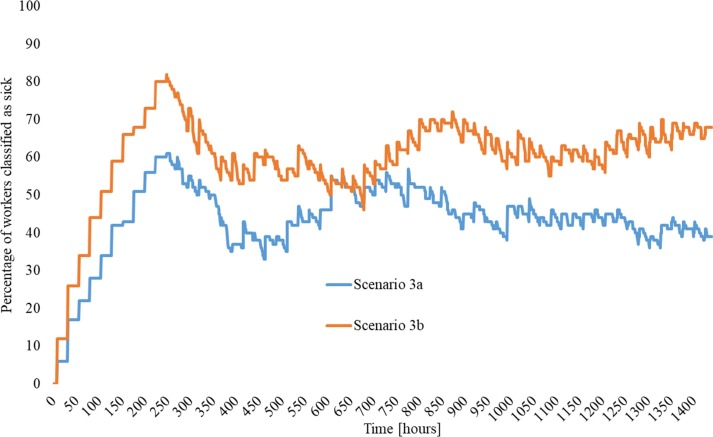
As the spread of COVID-19 has continued since December 2019, stay at home orders around the globe have changed how we live our lives, mostly from physical to virtual interactions, such as going to college and doing our jobs; however, some activities are basically impossible to perform virtually, such as construction activities. Thus, the construction sector has been highly disrupted by the current pandemic. The construction sector represents a key component of countries' economies-it is approximately 13% of global GDP-as such, having the availability to perform construction activities with a minimum spread of COVID-19 may help to the financial response to the pandemic. Given this context, this study aims to understand the potential impact of COVID-19 on construction workers using an agent-based modeling approach. Activities are classified as being of low-medium-high risk for workers, and the spread of COVID-19 is simulated among construction workers in a project. This study found that the workforce from a construction project may be reduced by 30% to 90% due to the spread of COVID-19. Understanding how COVID-19 may spread among construction workers may assist construction project managers in creating adequate conditions for workers to perform their job, minimizing the chances of getting infected with COVID-19.
自2019年12月以来,随着新冠病毒病(COVID-19)的持续传播,全球范围内的居家令改变了我们的生活方式,主要是从线下互动转变为线上互动,比如上大学和工作;然而,有些活动基本上无法在线上进行,比如建筑施工活动。因此,建筑行业受到当前疫情的严重干扰。建筑行业是各国经济的关键组成部分——约占全球国内生产总值的13%——因此,在将新冠病毒病传播风险降至最低的情况下开展建筑活动,可能有助于应对疫情带来的经济问题。在此背景下,本研究旨在采用基于主体的建模方法,了解新冠病毒病对建筑工人的潜在影响。将活动对工人的风险分为低、中、高等级,并在一个项目的建筑工人中模拟新冠病毒病的传播情况。本研究发现,由于新冠病毒病的传播,一个建筑项目的劳动力可能会减少30%至90%。了解新冠病毒病在建筑工人中可能如何传播,或许能帮助建筑项目经理为工人创造合适的工作条件,将感染新冠病毒病的几率降至最低。