Kaur Taranjot, Sarkar Sukanta, Chowdhury Sourangsu, Sinha Sudipta Kumar, Jolly Mohit Kumar, Dutta Partha Sharathi
Department of Mathematics, Indian Institute of Technology Ropar, Rupnagar, India.
Department of Atmospheric Chemistry, Max Planck Institute for Chemistry, Mainz, Germany.
Front Public Health. 2020 Sep 3;8:569669. doi: 10.3389/fpubh.2020.569669. eCollection 2020.
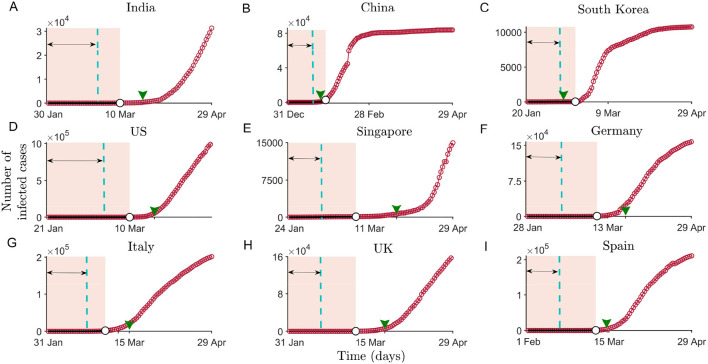
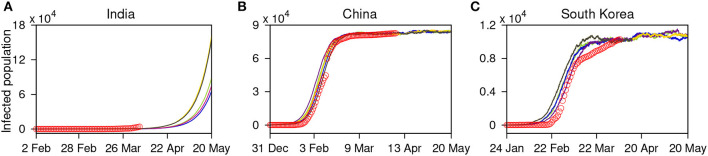
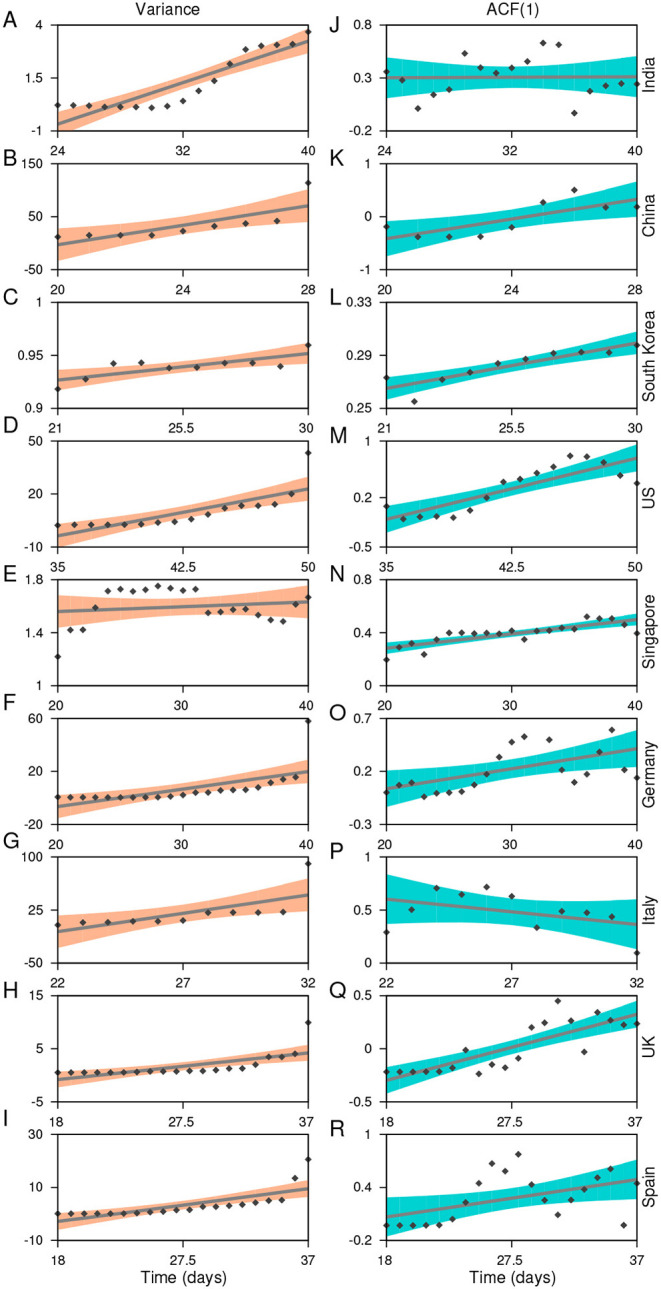
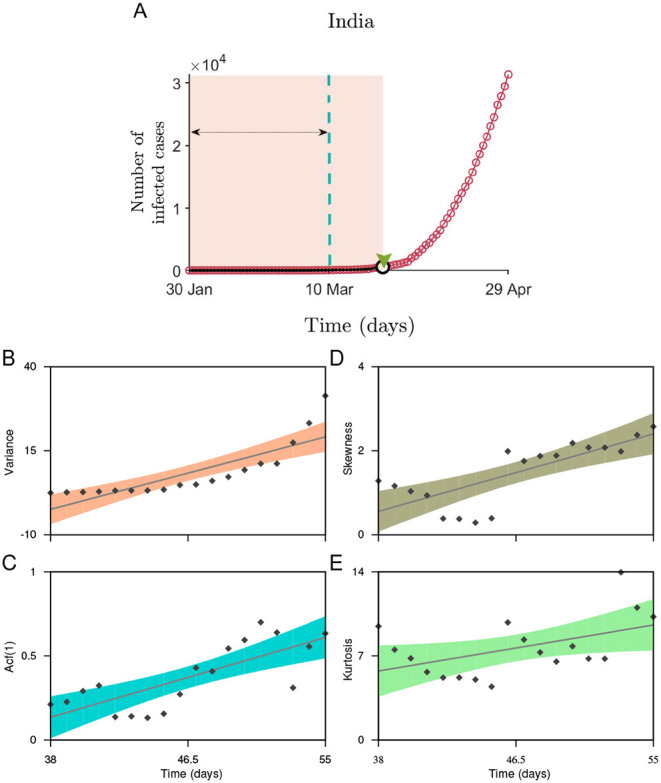
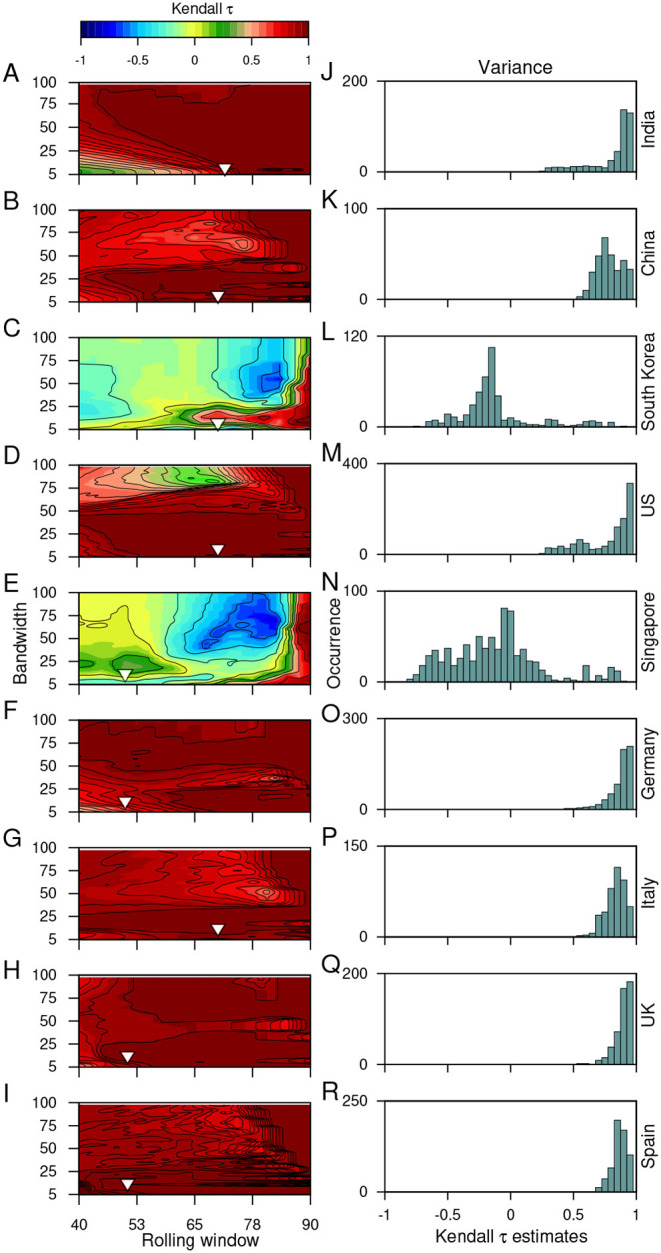
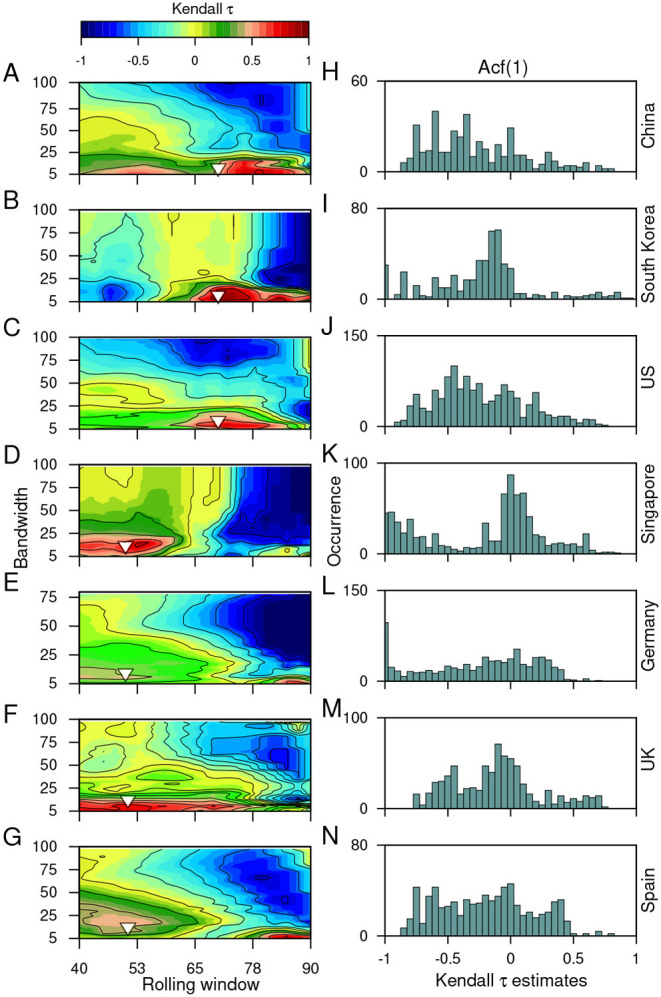
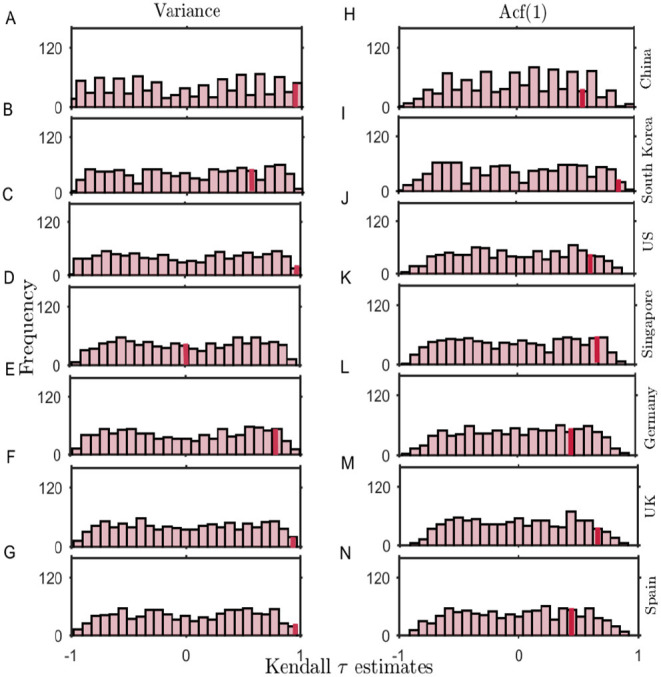
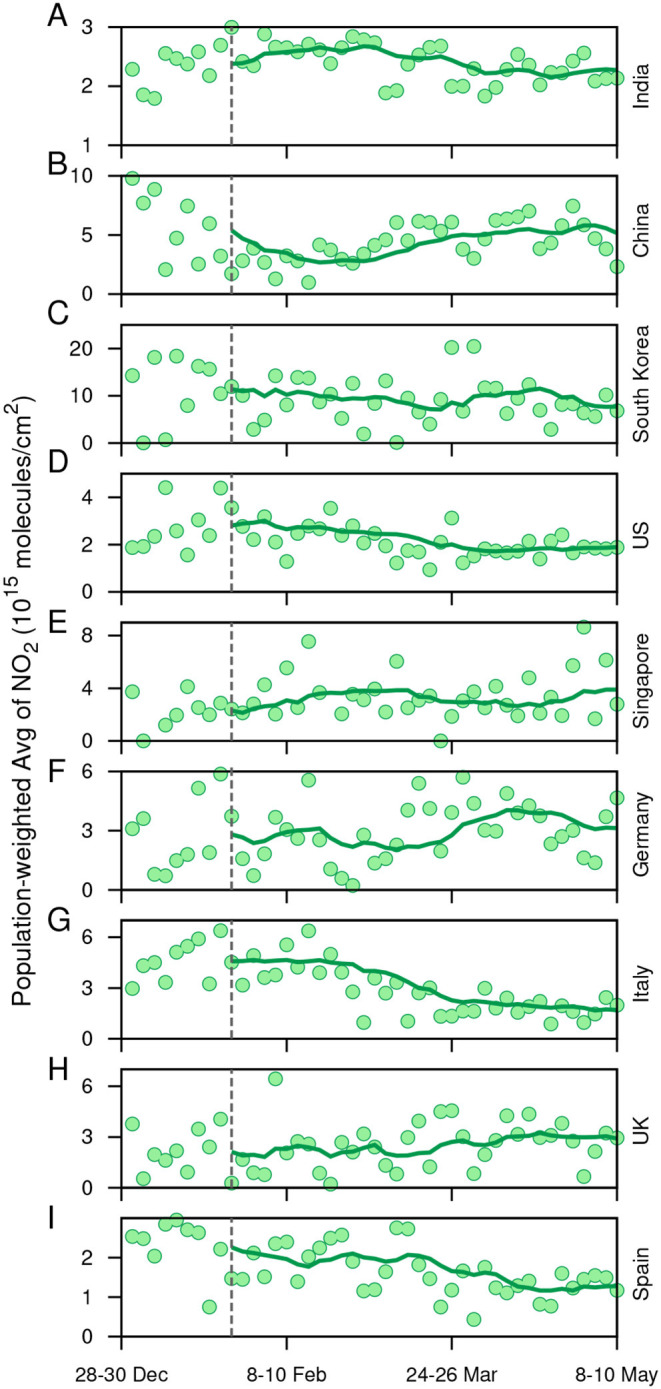
The COVID-19 outbreak was first declared an international public health, and it was later deemed a pandemic. In most countries, the COVID-19 incidence curve rises sharply over a short period of time, suggesting a transition from a disease-free (or low-burden disease) equilibrium state to a sustained infected (or high-burden disease) state. Such a transition is often known to exhibit characteristics of "critical slowing down." Critical slowing down can be, in general, successfully detected using many statistical measures, such as variance, lag-1 autocorrelation, density ratio, and skewness. Here, we report an empirical test of this phenomena on the COVID-19 datasets of nine countries, including India, China, and the United States. For most of the datasets, increases in variance and autocorrelation predict the onset of a critical transition. Our analysis suggests two key features in predicting the COVID-19 incidence curve for a specific country: (a) the timing of strict social distancing and/or lockdown interventions implemented and (b) the fraction of a nation's population being affected by COVID-19 at that time. Furthermore, using satellite data of nitrogen dioxide as an indicator of lockdown efficacy, we found that countries where lockdown was implemented early and firmly have been successful in reducing COVID-19 spread. These results are essential for designing effective strategies to control the spread/resurgence of infectious pandemics.
新冠疫情最初被宣布为国际公共卫生事件,后来被认定为大流行病。在大多数国家,新冠发病率曲线在短时间内急剧上升,这表明从无病(或低负担疾病)的平衡状态过渡到持续感染(或高负担疾病)状态。通常已知这种转变具有“临界减缓”的特征。一般来说,使用许多统计量,如方差、滞后1自相关、密度比和偏度,可以成功检测到临界减缓。在此,我们报告了对包括印度、中国和美国在内的九个国家的新冠数据集上这一现象的实证检验。对于大多数数据集,方差和自相关的增加预示着临界转变的开始。我们的分析表明,预测特定国家新冠发病率曲线有两个关键特征:(a)实施严格社交距离和/或封锁干预的时间,以及(b)当时该国受新冠影响的人口比例。此外,使用二氧化氮卫星数据作为封锁效果的指标,我们发现早期且坚定实施封锁的国家成功减少了新冠传播。这些结果对于设计控制传染病大流行传播/复发的有效策略至关重要。