Department of Medicinal Chemistry, College of Pharmacy, University of Florida, Gainesville, FL 32610, USA.
College of Pharmacy, University of Minnesota, Minneapolis, MN 55455, USA.
Nutrients. 2020 Oct 5;12(10):3044. doi: 10.3390/nu12103044.
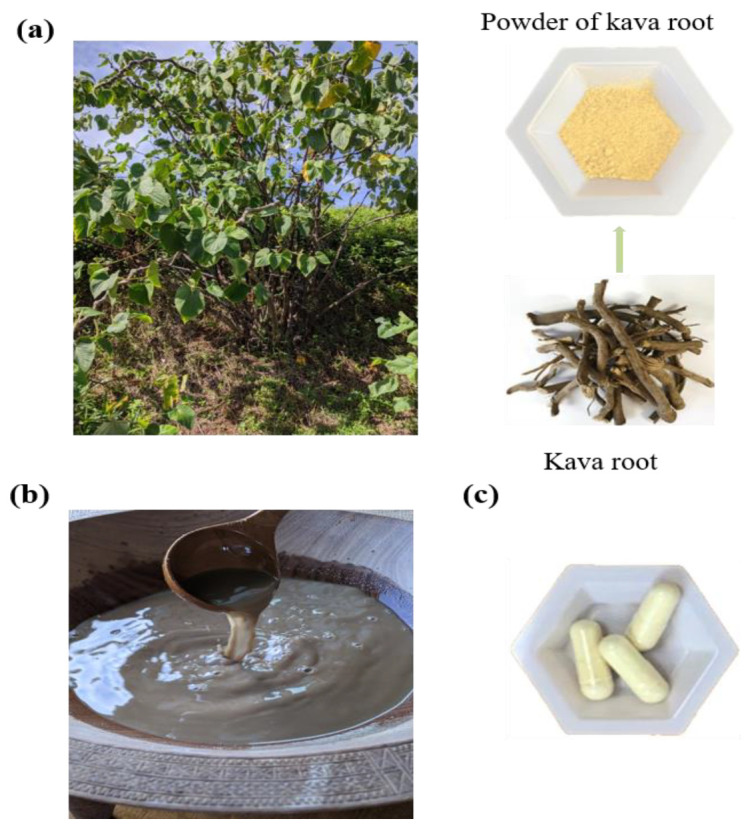
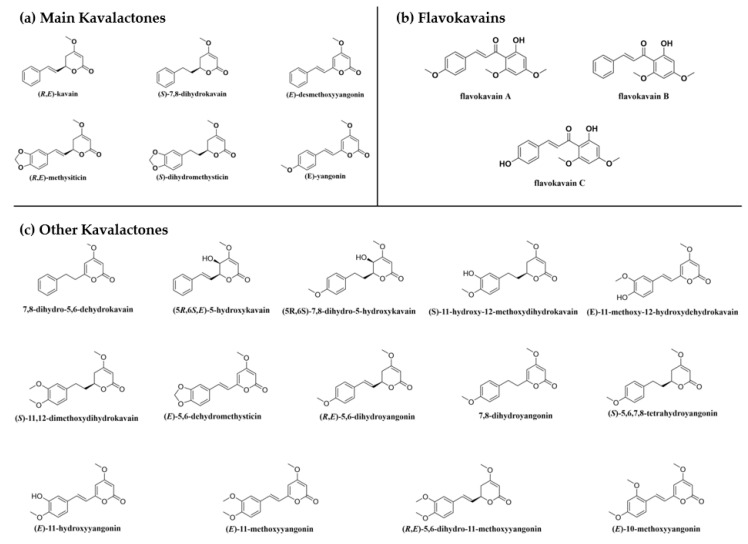
Kava beverages are typically prepared from the root of Piper methysticum. They have been consumed among Pacific Islanders for centuries. Kava extract preparations were once used as herbal drugs to treat anxiety in Europe. Kava is also marketed as a dietary supplement in the U.S. and is gaining popularity as a recreational drink in Western countries. Recent studies suggest that kava and its key phytochemicals have anti-inflammatory and anticancer effects, in addition to the well-documented neurological benefits. While its beneficial effects are widely recognized, rare hepatotoxicity had been associated with use of certain kava preparations, but there are no validations nor consistent mechanisms. Major challenges lie in the diversity of kava products and the lack of standardization, which has produced an unmet need for quality initiatives. This review aims to provide the scientific community and consumers, as well as regulatory agencies, with a broad overview on kava use and its related research. We first provide a historical background for its different uses and then discuss the current state of the research, including its chemical composition, possible mechanisms of action, and its therapeutic potential in treating inflammatory and neurological conditions, as well as cancer. We then discuss the challenges associated with kava use and research, focusing on the need for the detailed characterization of kava components and associated risks such as its reported hepatotoxicity. Lastly, given its growing popularity in clinical and recreational use, we emphasize the urgent need for quality control and quality assurance of kava products, pharmacokinetics, absorption, distribution, metabolism, excretion, and foundational pharmacology. These are essential in order to inform research into the molecular targets, cellular mechanisms, and creative use of early stage human clinical trials for designer kava modalities to inform and guide the design and execution of future randomized placebo controlled trials to maximize kava's clinical efficacy and to minimize its risks.
卡瓦饮料通常是由胡椒科卡瓦胡椒的根制成的。几个世纪以来,太平洋岛屿民一直在饮用卡瓦。卡瓦提取物制剂曾在欧洲被用作草药药物来治疗焦虑。卡瓦也作为膳食补充剂在美国销售,并作为一种消遣性饮料在西方国家越来越受欢迎。最近的研究表明,除了众所周知的神经学益处外,卡瓦及其关键植物化学物质还具有抗炎和抗癌作用。虽然其有益效果得到了广泛认可,但某些卡瓦制剂的使用与罕见的肝毒性有关,但目前还没有有效的验证方法和一致的作用机制。主要挑战在于卡瓦产品的多样性和缺乏标准化,这导致对质量计划的需求未得到满足。
本综述旨在为科学界和消费者以及监管机构提供有关卡瓦使用及其相关研究的广泛概述。我们首先提供其不同用途的历史背景,然后讨论当前的研究现状,包括其化学成分、可能的作用机制以及在治疗炎症和神经疾病以及癌症方面的治疗潜力。然后,我们讨论与卡瓦使用和研究相关的挑战,重点是需要详细表征卡瓦成分以及与其相关的风险,例如其报告的肝毒性。最后,鉴于其在临床和娱乐用途中的日益普及,我们强调需要对卡瓦产品进行质量控制和质量保证、药代动力学、吸收、分布、代谢、排泄和基础药理学研究。这些对于研究分子靶点、细胞机制以及创造性地使用早期人体临床试验来设计卡瓦模式以指导和指导未来随机安慰剂对照试验的设计和执行以最大化卡瓦的临床疗效并最小化其风险至关重要。