Gonçalves Joana, Luís Ângelo, Gradillas Ana, García Antonia, Restolho José, Fernández Nicolás, Domingues Fernanda, Gallardo Eugenia, Duarte Ana Paula
Centro de Investigação em Ciências da Saúde (CICS-UBI), Universidade da Beira Interior, Av. Infante D. Henrique, 6200-506 Covilhã, Portugal.
Laboratório de Fármaco-Toxicologia, UBI Medical, Universidade da Beira Interior, Estrada Municipal 506, 6200-284 Covilhã, Portugal.
Antibiotics (Basel). 2020 Oct 24;9(11):731. doi: 10.3390/antibiotics9110731.
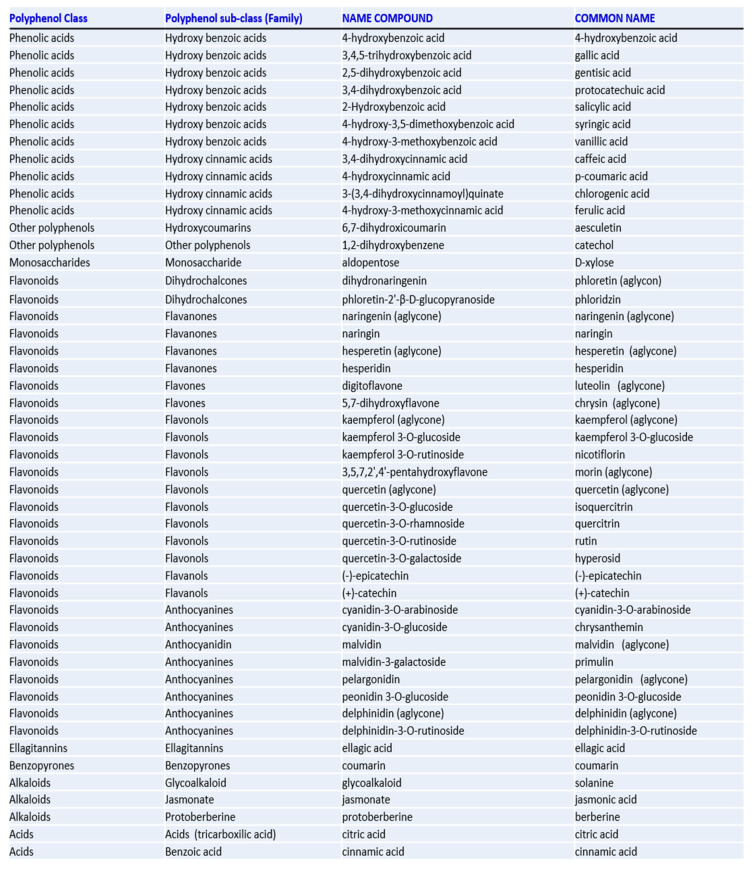
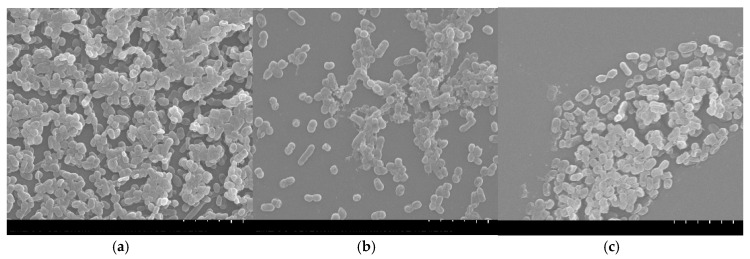
Ayahuasca is a psychoactive beverage, originally consumed by indigenous Amazon tribes, of which consumption has been increasing worldwide. The aim of this study was to evaluate the phytochemical profile, as well as the antioxidant, anti-inflammatory and antimicrobial properties of decoctions of four individual plants, a commercial mixture and four mixtures of two individual plants used in the Ayahuasca preparation. For this purpose, a phytochemical characterization was performed, determining the content of flavonoids, total phenolic compounds, and analyzing the phenolic profile. Besides, 48 secondary metabolites were investigated by ultra-high performance liquid chromatography-quadrupole time-of-flight mass spectrometry (UHPLC-Q/TOF-MS) and their concentration estimated with real standards when present. The antioxidant activity was evaluated by both the β-carotene bleaching test and DPPH free radical scavenging assay, and the anti-inflammatory activity was determined by a protein denaturation method. Finally, the antimicrobial properties were evaluated using the disc diffusion assay, resazurin microtiter method, anti-quorum sensing and anti-biofilm activity assays. The obtained results showed that, in general, the samples have a high content of phenolic compounds and flavonoids with noticeable differences, reflecting on remarkable antioxidant and anti-inflammatory activities. Significant antimicrobial properties were also observed, with emphasis on the effect of and on planktonic and biofilm cells of , inhibiting both the biofilm formation and the production of violacein pigment.
阿亚瓦斯卡是一种具有精神活性的饮品,最初由亚马逊地区的原住民部落饮用,如今其在全球范围内的消费量不断增加。本研究的目的是评估四种单一植物、一种商业混合物以及用于制备阿亚瓦斯卡的四种两种单一植物混合物的煎剂的植物化学特征,以及抗氧化、抗炎和抗菌特性。为此,进行了植物化学表征,测定了黄酮类化合物、总酚化合物的含量,并分析了酚类特征。此外,通过超高效液相色谱-四极杆飞行时间质谱(UHPLC-Q/TOF-MS)研究了48种次生代谢物,并在有真实标准品时估计其浓度。通过β-胡萝卜素漂白试验和DPPH自由基清除试验评估抗氧化活性,通过蛋白质变性法测定抗炎活性。最后,使用纸片扩散法、刃天青微量滴定法、群体感应抑制和生物膜抑制活性试验评估抗菌特性。所得结果表明,总体而言,样品中酚类化合物和黄酮类化合物含量较高,存在显著差异,这反映在显著的抗氧化和抗炎活性上。还观察到显著的抗菌特性,特别是[具体物质1]和[具体物质2]对[目标微生物]的浮游细胞和生物膜细胞的作用,抑制了生物膜形成和紫色杆菌素色素的产生。