Center for Biosafety Mega-Science, Wuhan Institute of Virology, Chinese Academy of Sciences, Wuhan, 430071, China.
Cancer Research Institute, School of Basic Medical Sciences, Southern Medical University, Guangzhou, 510515, China.
Protein Cell. 2021 Sep;12(9):717-733. doi: 10.1007/s13238-020-00811-w. Epub 2020 Dec 12.
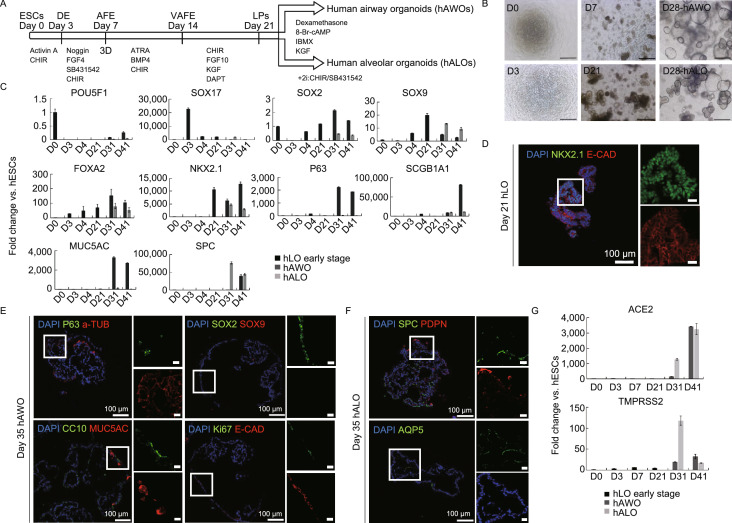
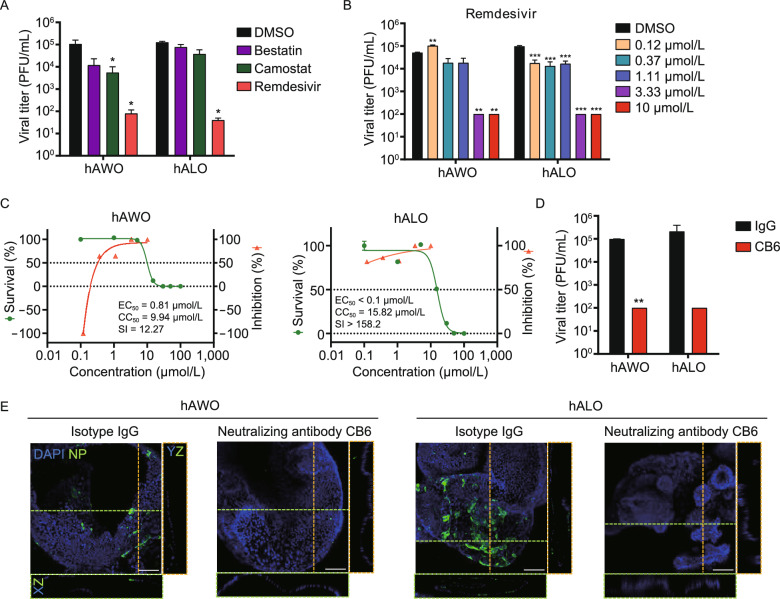
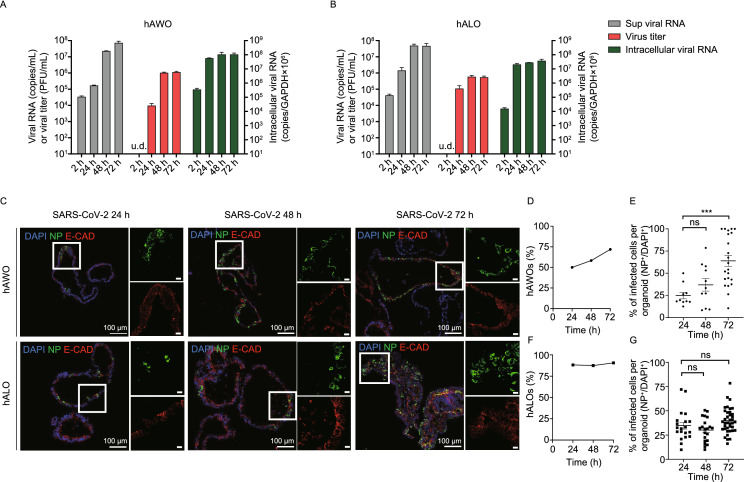
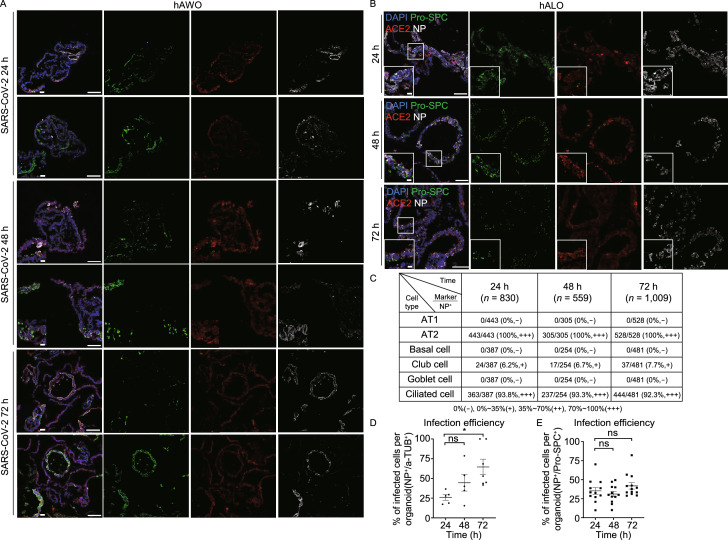
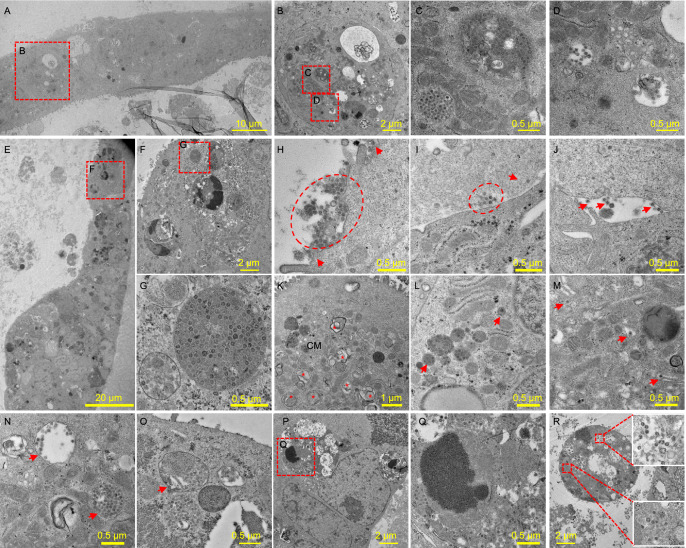
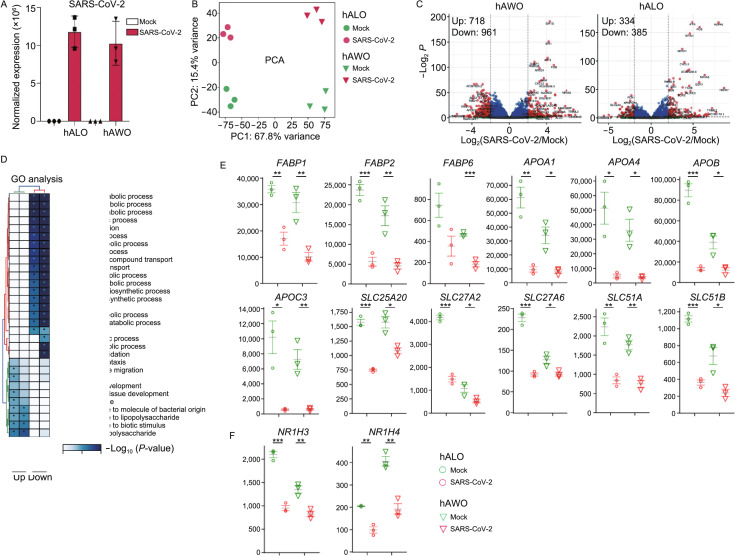
The coronavirus disease 2019 (COVID-19) pandemic is caused by infection with the severe acute respiratory syndrome coronavirus 2 (SARS-CoV-2), which is spread primary via respiratory droplets and infects the lungs. Currently widely used cell lines and animals are unable to accurately mimic human physiological conditions because of the abnormal status of cell lines (transformed or cancer cells) and species differences between animals and humans. Organoids are stem cell-derived self-organized three-dimensional culture in vitro and model the physiological conditions of natural organs. Here we showed that SARS-CoV-2 infected and extensively replicated in human embryonic stem cells (hESCs)-derived lung organoids, including airway and alveolar organoids which covered the complete infection and spread route for SARS-CoV-2 within lungs. The infected cells were ciliated, club, and alveolar type 2 (AT2) cells, which were sequentially located from the proximal to the distal airway and terminal alveoli, respectively. Additionally, RNA-seq revealed early cell response to virus infection including an unexpected downregulation of the metabolic processes, especially lipid metabolism, in addition to the well-known upregulation of immune response. Further, Remdesivir and a human neutralizing antibody potently inhibited SARS-CoV-2 replication in lung organoids. Therefore, human lung organoids can serve as a pathophysiological model to investigate the underlying mechanism of SARS-CoV-2 infection and to discover and test therapeutic drugs for COVID-19.
新型冠状病毒病(COVID-19)大流行是由严重急性呼吸系统综合征冠状病毒 2(SARS-CoV-2)感染引起的,主要通过呼吸道飞沫传播并感染肺部。目前广泛使用的细胞系和动物由于细胞系(转化或癌细胞)的异常状态以及动物和人类之间的物种差异,无法准确模拟人类的生理状况。类器官是由干细胞体外自我组织的三维培养物,可模拟天然器官的生理状况。在这里,我们表明 SARS-CoV-2 感染并在人胚胎干细胞(hESC)衍生的肺类器官中广泛复制,包括气道和肺泡类器官,它们覆盖了 SARS-CoV-2 在肺部内的完整感染和传播途径。受感染的细胞是纤毛细胞、杯状细胞和 II 型肺泡细胞(AT2),它们分别位于从近端到远端气道和终末肺泡的顺序位置。此外,RNA-seq 揭示了细胞对病毒感染的早期反应,除了众所周知的免疫反应上调外,还包括代谢过程的意外下调,尤其是脂质代谢。此外,瑞德西韦和一种人源中和抗体可有效抑制肺类器官中的 SARS-CoV-2 复制。因此,人肺类器官可以作为研究 SARS-CoV-2 感染的潜在机制以及发现和测试 COVID-19 治疗药物的病理生理模型。