Illa Jordi, Fernandez Daniel, Reche Xavier, Carmona Gerard, Tarragó Joan Ramon
Sports Performance Area, Sport Science Department, Futbol Club Barcelona, Barcelona, Spain.
Escola Superior de Ciències de la Salut Tecnocampus, Universidad Pompeu Fabra, Mataró, Spain.
Front Psychol. 2020 Oct 15;11:577624. doi: 10.3389/fpsyg.2020.577624. eCollection 2020.
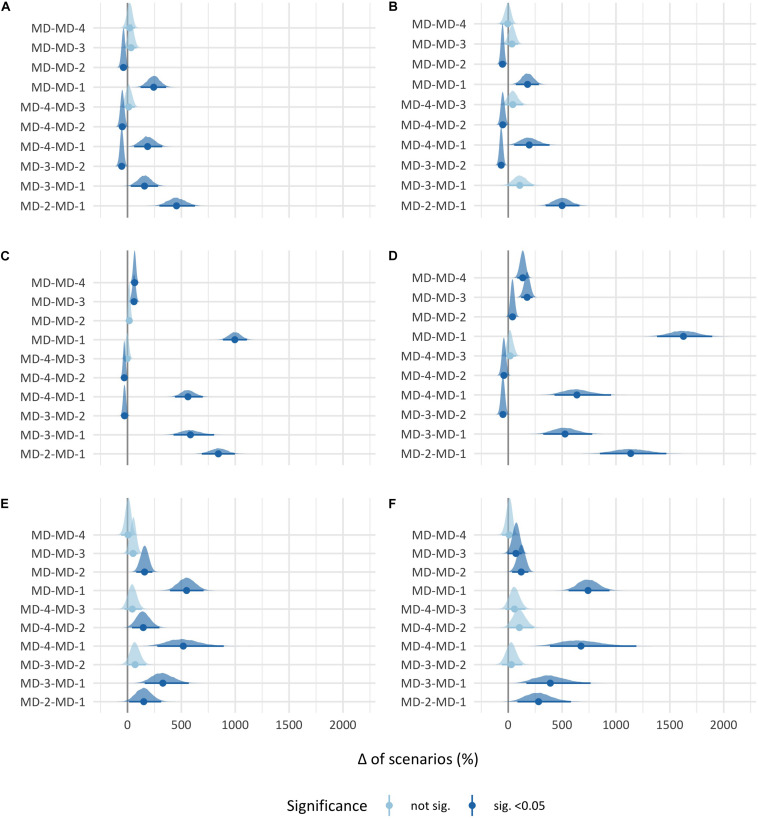
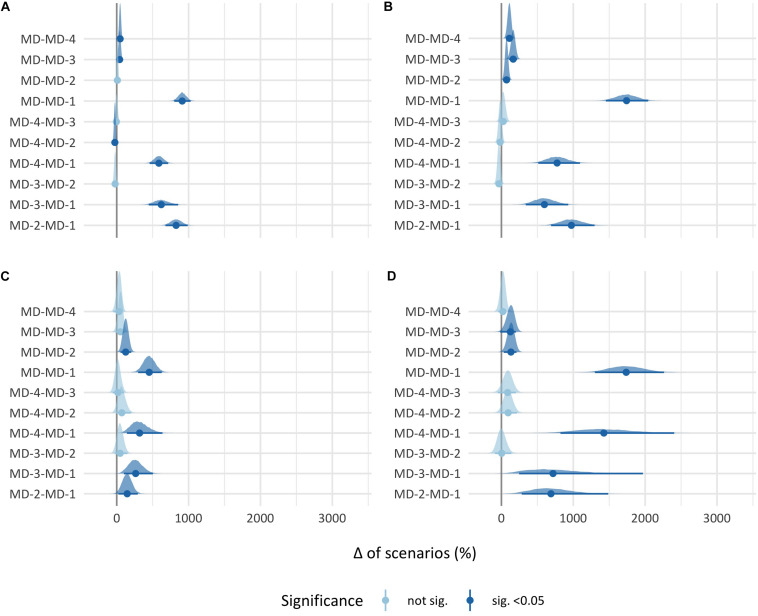
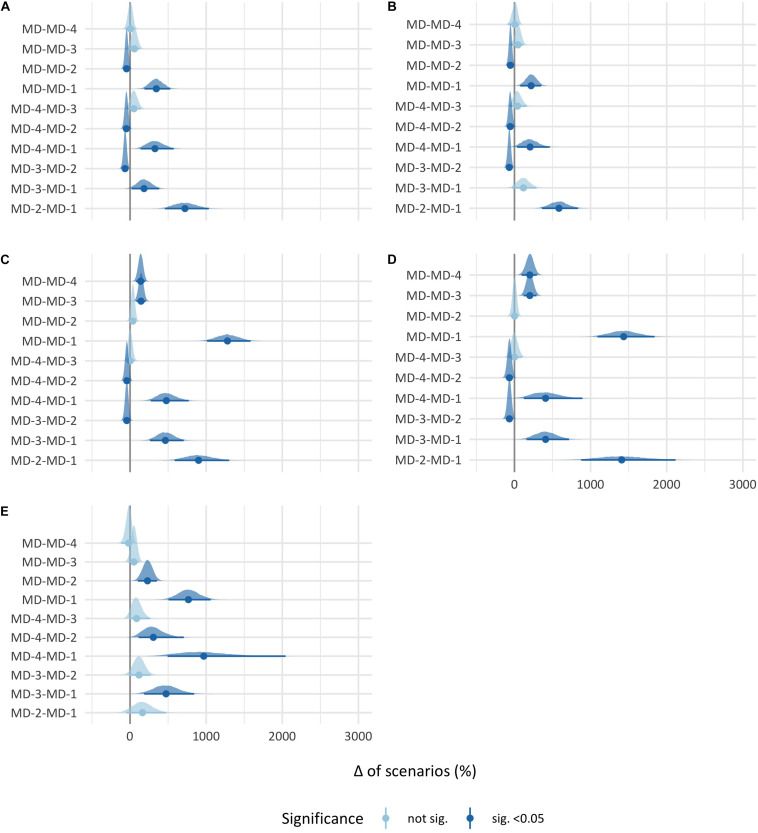
The main objective of this study was to describe the repetition of external load high-demanding scenarios and very high-demanding scenarios of match play for velocity, distance, and neuromuscular locomotor variables of an elite futsal team. Additionally, we also checked how these high- and very high-demanding scenarios were distributed throughout the microcycle. The most demanding scenario (measured using a rolling average method with a 1-min time window) of match play was measured out of thirteen elite futsal players using a local positioning system in the course of thirteen official matches and six in-season microcycles. A mean of the top three match play observations for each variable and each player were used to determine the most demanding scenario (100%) reference value. Data were reanalyzed to count the number of high-demanding scenarios (80-90% of the individual most demanding scenario) and very high-demanding scenarios (>90% of the individual most demanding scenario). The number of scenarios was analyzed with respect to the number of days prior to the match [match day (MD) minus X] and a bootstrap confidence interval approach was used to assess differences between MD. During a single match, players have to cope with repeated high- and very high-demanding scenarios. Moreover, the training session 2 days prior to the match was the one most similar to the match, surpassing it only in scenarios of locomotor velocity variables, albeit with significantly fewer scenarios of neuromuscular variables. The number of high- and very high-demanding scenarios in the training session prior to the match dropped significantly in comparison with the rest of the microcycle and the match. This new monitoring method may help practitioners to establish an accurate assessment of external load demands in competition and training.
本研究的主要目的是描述一支精英五人制足球队在比赛中速度、距离和神经肌肉运动变量方面,外部负荷高要求场景和极高要求场景的重复情况。此外,我们还研究了这些高要求和极高要求场景在整个微周期中的分布情况。在13场正式比赛和6个赛季中的微周期内,使用局部定位系统对13名精英五人制足球运动员进行测量,得出比赛中最苛刻的场景(采用1分钟时间窗口的滚动平均法测量)。每个变量和每个球员的前三个比赛观察值的平均值用于确定最苛刻场景(100%)的参考值。重新分析数据,统计高要求场景(个体最苛刻场景的80 - 90%)和极高要求场景(个体最苛刻场景的>90%)的数量。针对比赛前的天数[比赛日(MD)减去X]分析场景数量,并使用自助置信区间方法评估比赛日之间的差异。在一场比赛中,球员必须应对反复出现的高要求和极高要求场景。此外,比赛前2天的训练课与比赛最为相似,仅在运动速度变量场景方面超过比赛,尽管神经肌肉变量场景明显较少。与微周期的其他阶段和比赛相比,比赛前训练课中的高要求和极高要求场景数量显著下降。这种新的监测方法可能有助于从业者准确评估比赛和训练中的外部负荷需求。