Lee Douglas, Coricelli Giorgio
Department of Economics, University of Southern California, Los Angeles, CA, United States.
Front Psychol. 2020 Sep 18;11:574473. doi: 10.3389/fpsyg.2020.574473. eCollection 2020.
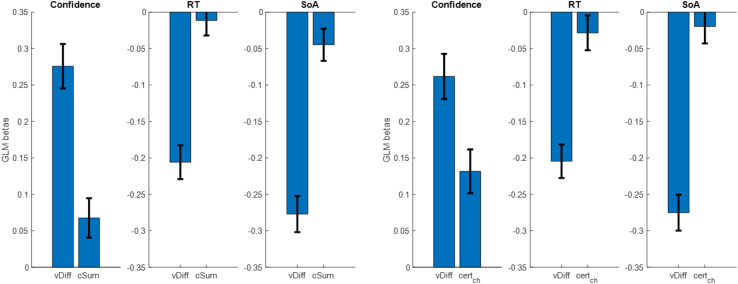
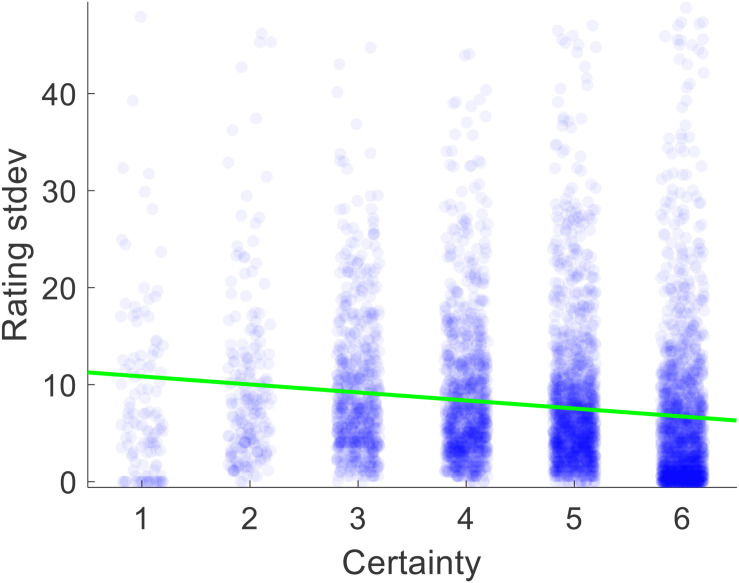
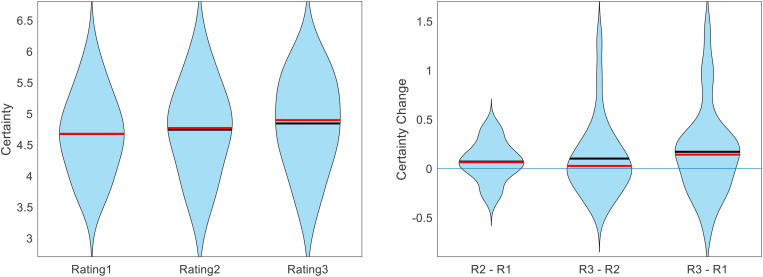
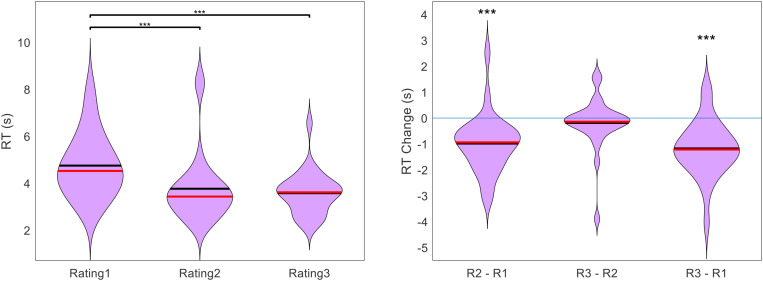
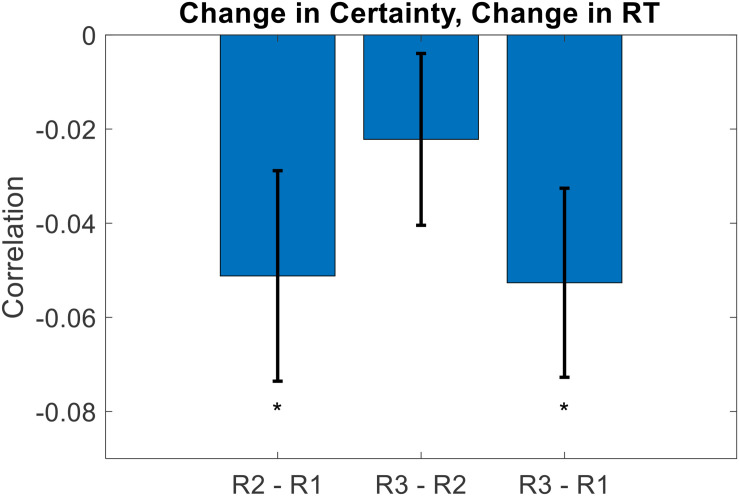
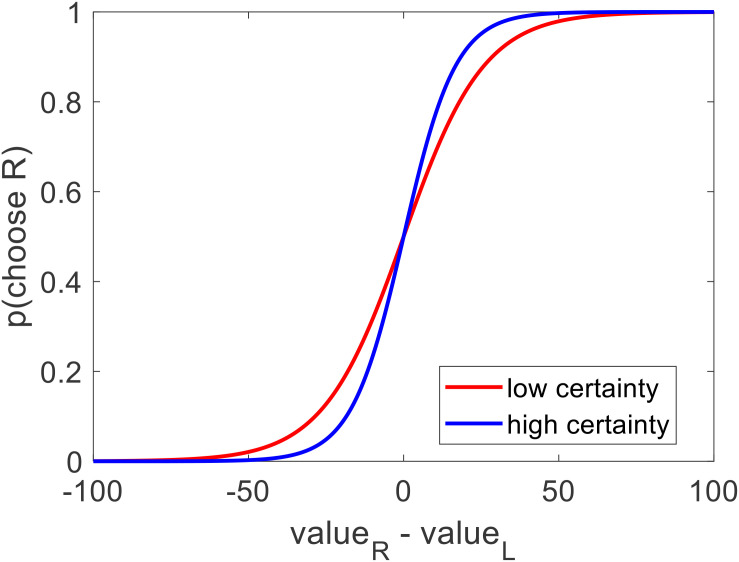
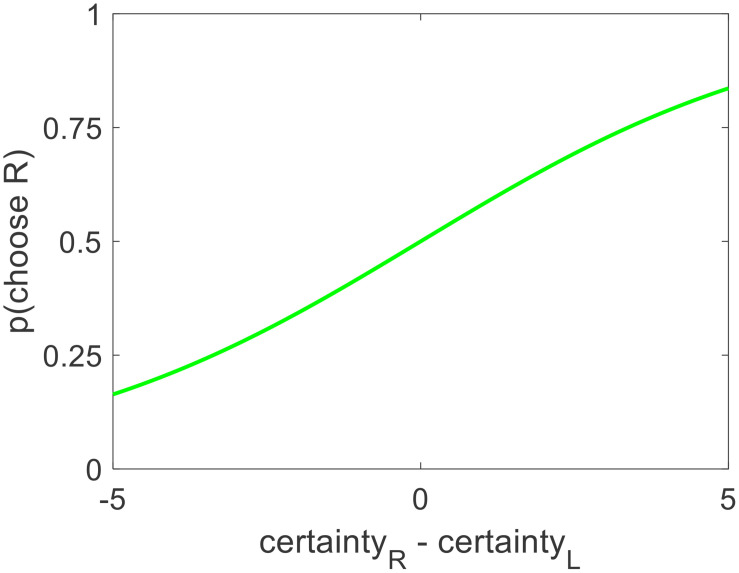
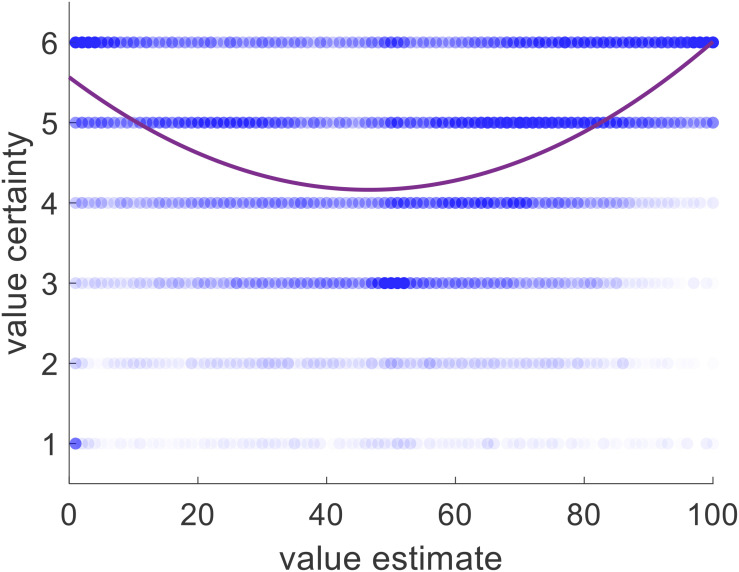
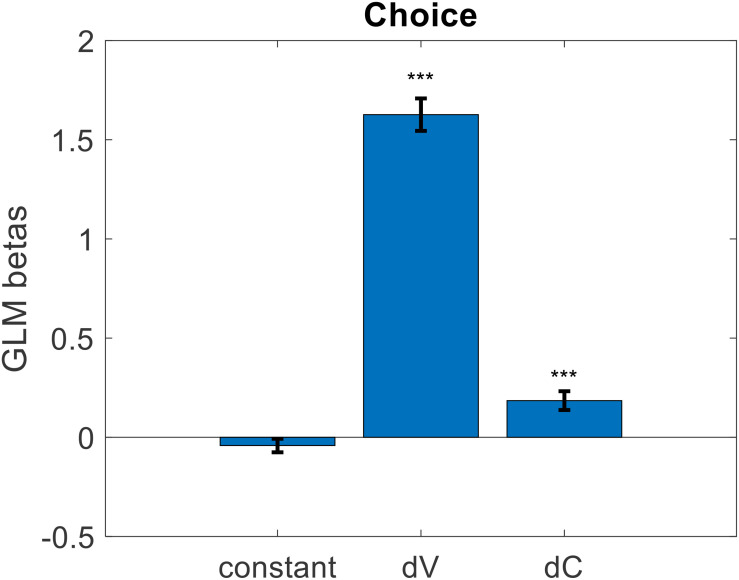
Most contemporary models of value-based decisions are built on value estimates that are typically self-reported by the decision maker. Such models have been successful in accounting for choice accuracy and response time, and more recently choice confidence. The fundamental driver of such models is choice difficulty, which is almost always defined as the absolute value difference between the subjective value ratings of the options in a choice set. Yet a decision maker is not necessarily able to provide a value estimate with the same degree of certainty for each option that he encounters. We propose that choice difficulty is determined not only by absolute value distance of choice options, but also by their value certainty. In this study, we first demonstrate the reliability of the concept of an option-specific value certainty using three different experimental measures. We then demonstrate the influence that value certainty has on choice, including accuracy (consistency), choice confidence, response time, and choice-induced preference change (i.e., the degree to which value estimates change from pre- to post-choice evaluation). We conclude with a suggestion of how popular contemporary models of choice (e.g., race model, drift-diffusion model) could be improved by including option-specific value certainty as one of their inputs.
大多数当代基于价值的决策模型都是建立在通常由决策者自我报告的价值估计基础上的。这类模型在解释选择准确性、反应时间,以及最近的选择信心方面取得了成功。这类模型的基本驱动因素是选择难度,几乎总是将其定义为选择集中各选项主观价值评级之间的绝对差值。然而,决策者不一定能够对他遇到的每个选项都以相同程度的确定性提供价值估计。我们提出,选择难度不仅由选择选项的绝对价值距离决定,还由其价值确定性决定。在本研究中,我们首先使用三种不同的实验方法证明了特定选项价值确定性概念的可靠性。然后我们证明了价值确定性对选择的影响,包括准确性(一致性)、选择信心、反应时间,以及选择引起的偏好变化(即价值估计在选择前到选择后评估之间的变化程度)。我们最后提出了一个建议,即如何通过将特定选项价值确定性作为输入之一,来改进当代流行的选择模型(例如,竞赛模型、漂移扩散模型)。