Department of Industrial Engineering, West Tehran Branch, Islamic Azad University, Tehran 1468763785, Iran.
Sustainable Process Integration Laboratory-SPIL, NETME Centre, Faculty of Mechanical Engineering, Brno University of Technology, VUT Brno, Technická 2896/2, 61669 Brno, Czech Republic.
Int J Environ Res Public Health. 2020 Nov 19;17(22):8577. doi: 10.3390/ijerph17228577.
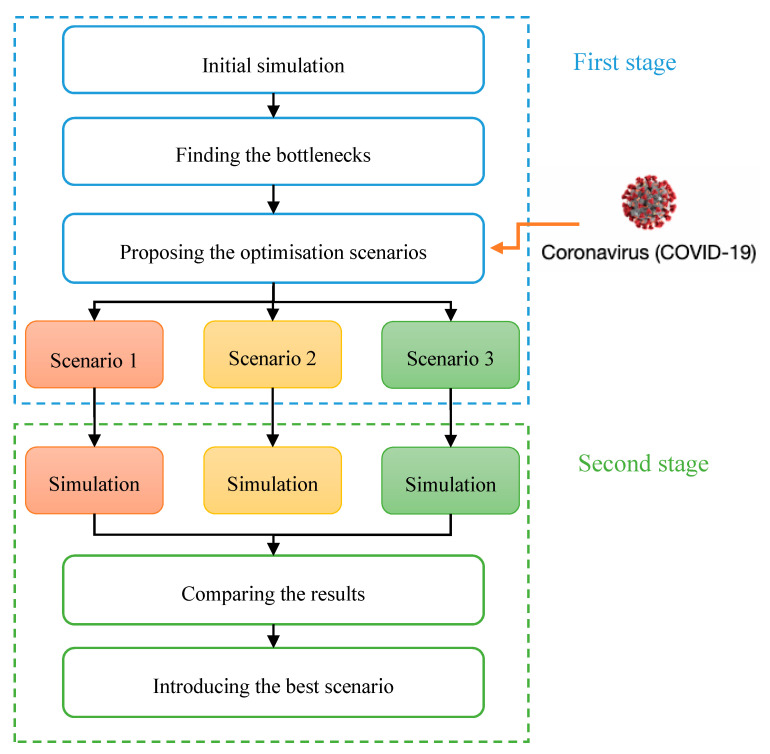
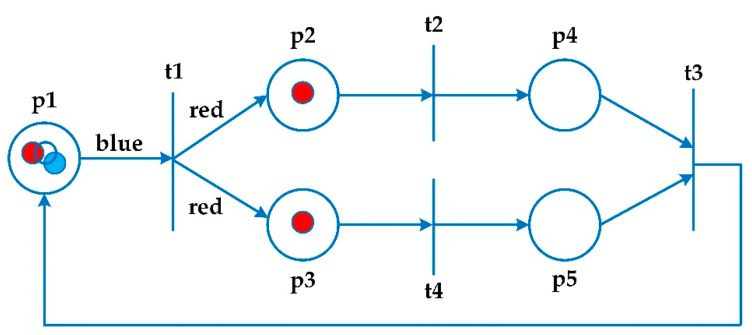
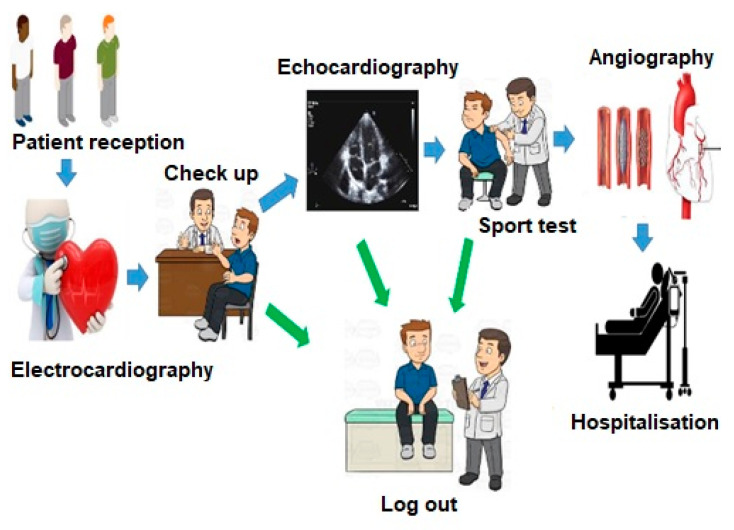
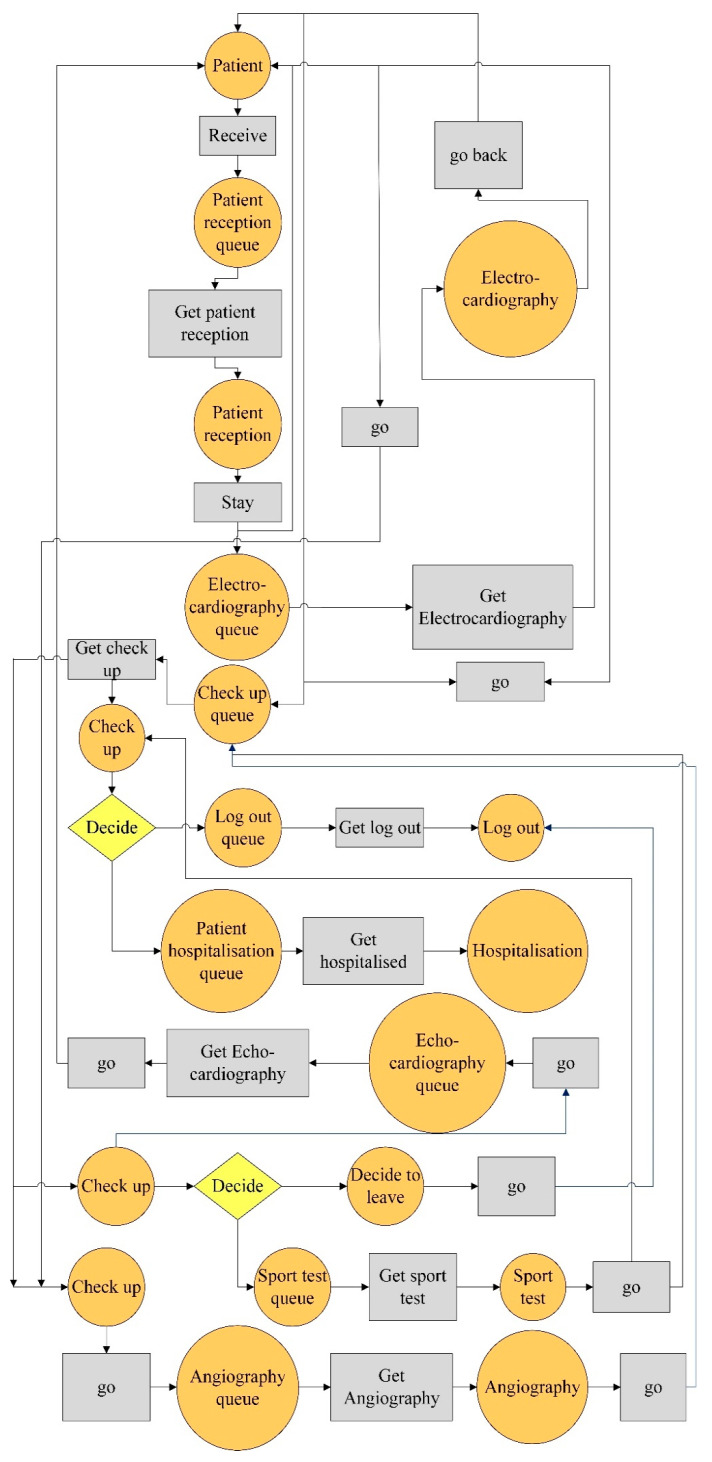
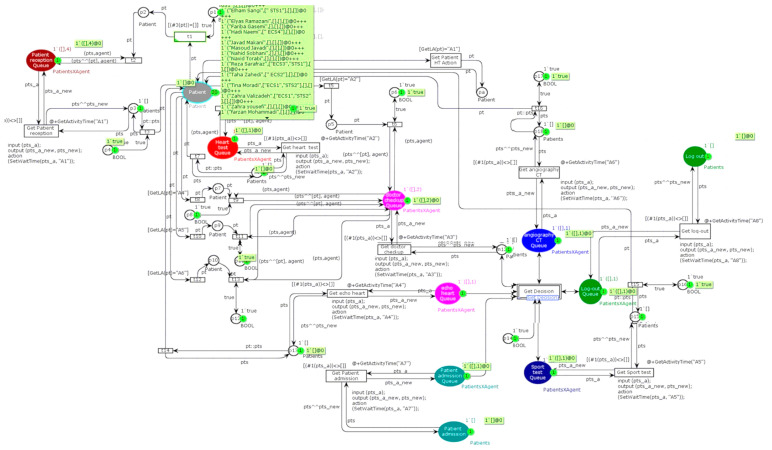
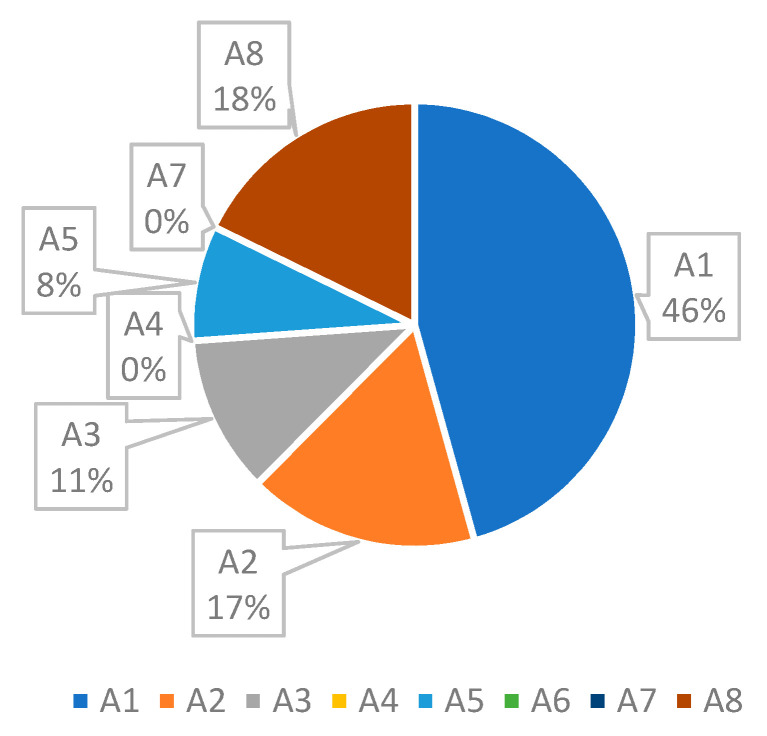
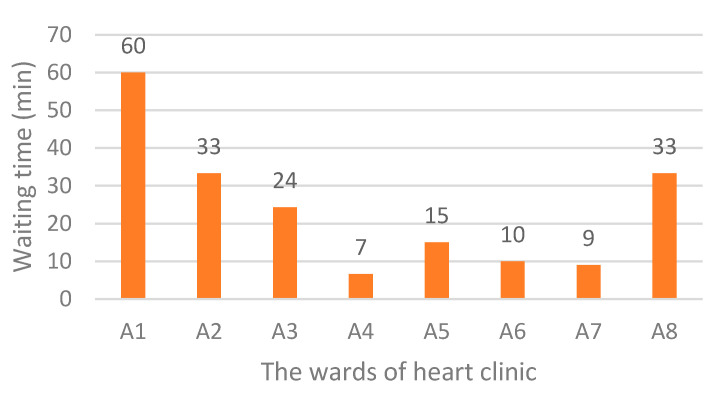
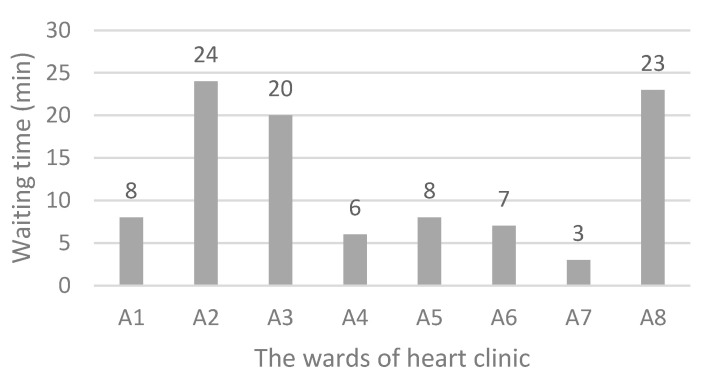
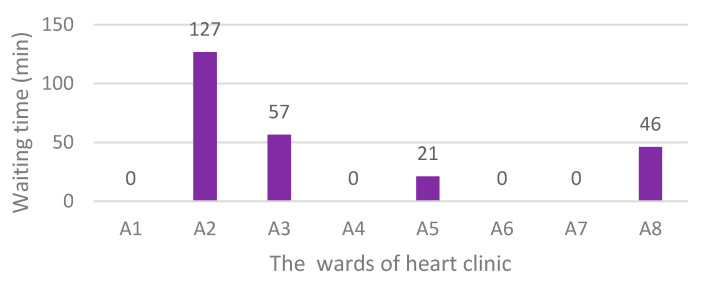
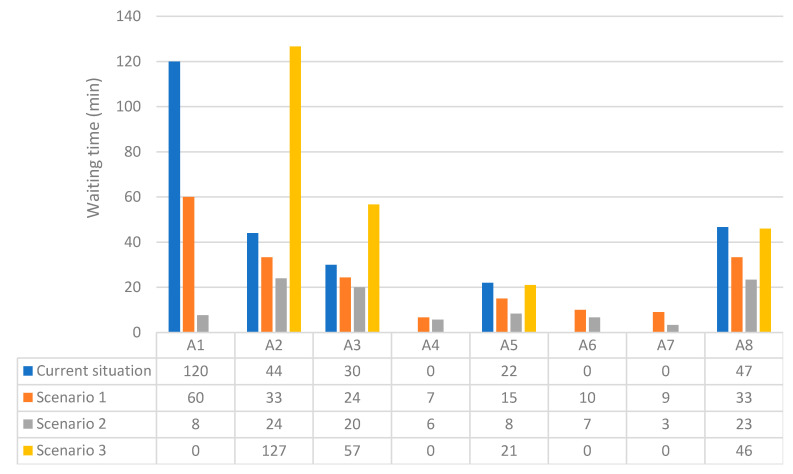
The COVID-19 epidemic has spread across the world within months and creates multiple challenges for healthcare providers. Patients with cardiovascular disease represent a vulnerable population when suffering from COVID-19. Most hospitals have been facing difficulties in the treatment of COVID-19 patients, and there is a need to minimise patient flow time so that staff health is less endangered, and more patients can be treated. This article shows how to use simulation techniques to prepare hospitals for a virus outbreak. The initial simulation of the current processes of the heart clinic first identified the bottlenecks. It confirmed that the current workflow is not optimal for COVID-19 patients; therefore, to reduce waiting time, three optimisation scenarios are proposed. In the best situation, the discrete-event simulation of the second scenario led to a 62.3% reduction in patient waiting time. This is one of the few studies that show how hospitals can use workflow modelling using timed coloured Petri nets to manage healthcare systems in practice. This technique would be valuable in these challenging times as the health of staff, and other patients are at risk from the nosocomial transmission.
新冠疫情在数月内席卷全球,给医疗保健提供者带来了诸多挑战。心血管疾病患者在感染新冠病毒时属于脆弱人群。大多数医院在治疗新冠病毒患者方面都面临困难,需要尽量减少患者的流动时间,以降低医护人员的健康风险,从而能够治疗更多的患者。本文展示了如何使用仿真技术为医院应对病毒爆发做好准备。首先对心脏科当前流程进行初始仿真,以识别瓶颈。仿真结果证实,当前的工作流程对新冠病毒患者而言并非最佳;因此,为了减少等待时间,提出了三个优化方案。在最佳情况下,第二个方案的离散事件仿真将患者的等待时间减少了 62.3%。这是少数几篇展示医院如何使用定时着色 Petri 网进行工作流建模以在实践中管理医疗保健系统的研究之一。在这个充满挑战的时期,这种技术非常有价值,因为医院中的医护人员和其他患者都面临着医院内传播的风险。