Ackerman Benjamin, Lesko Catherine R, Siddique Juned, Susukida Ryoko, Stuart Elizabeth A
Department of Biostatistics, Johns Hopkins Bloomberg School of Public Health, Baltimore, Maryland, USA.
Department of Epidemiology, Johns Hopkins Bloomberg School of Public Health, Baltimore, Maryland, USA.
Stat Med. 2021 Feb 28;40(5):1101-1120. doi: 10.1002/sim.8822. Epub 2020 Nov 26.
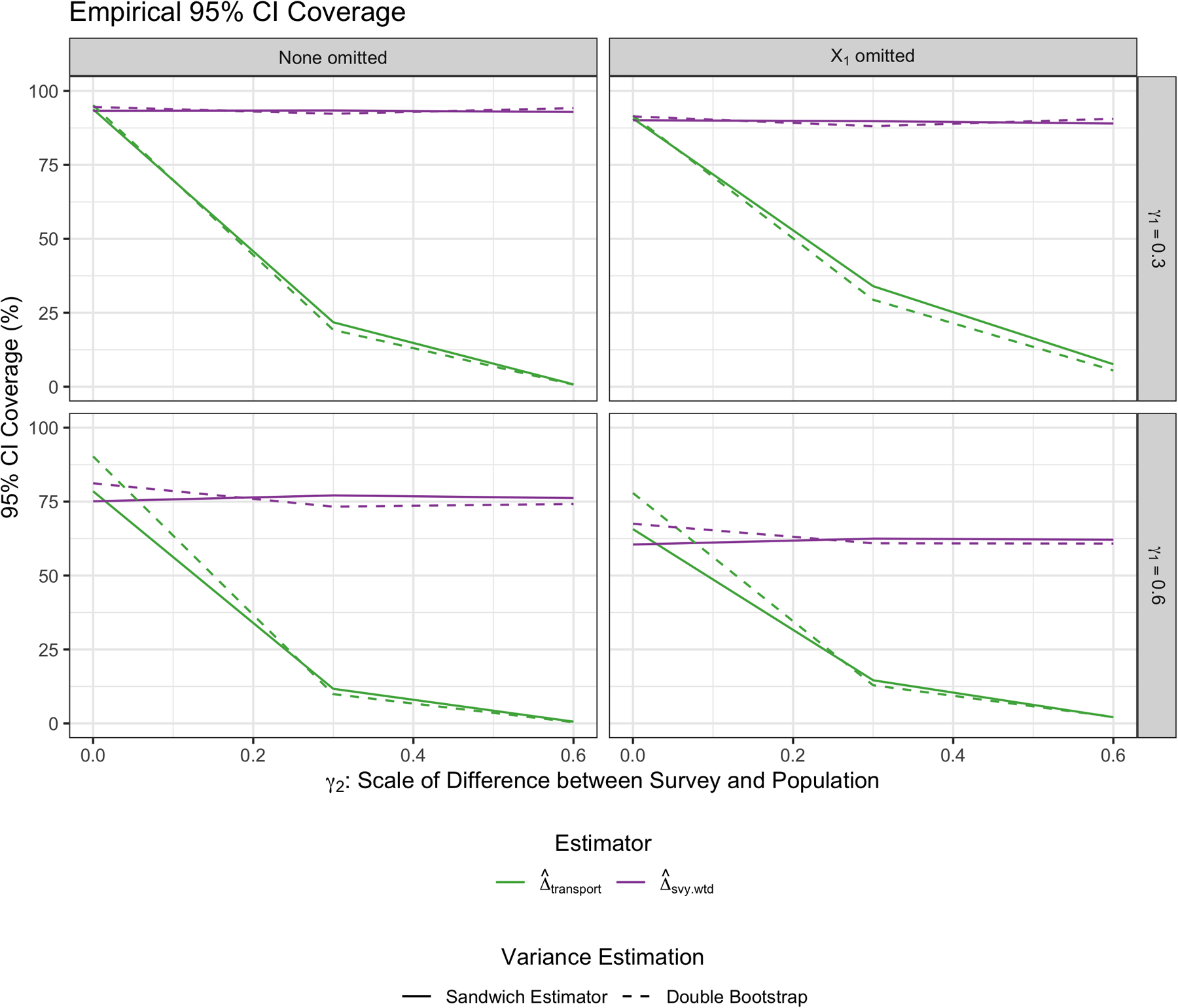
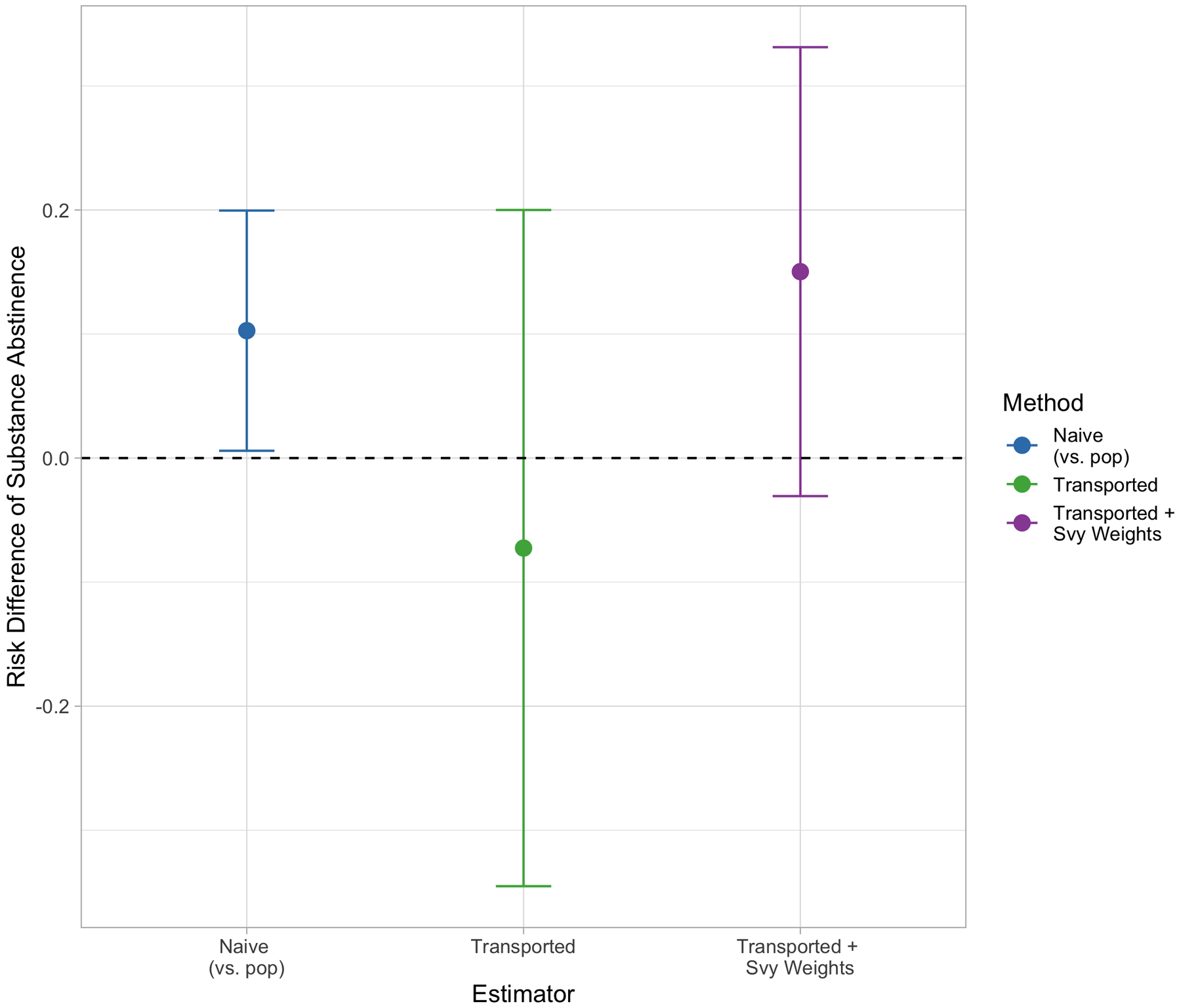
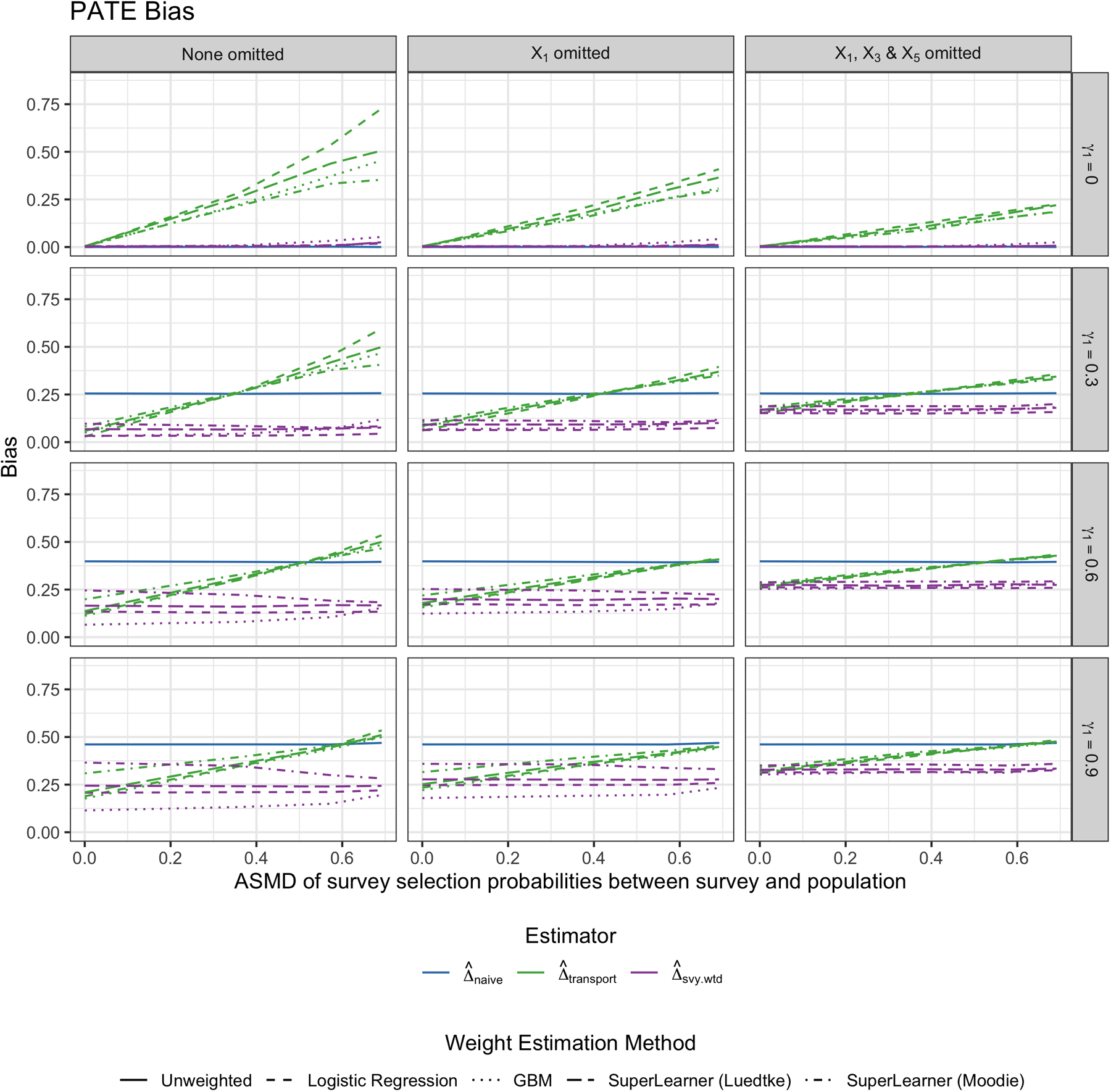
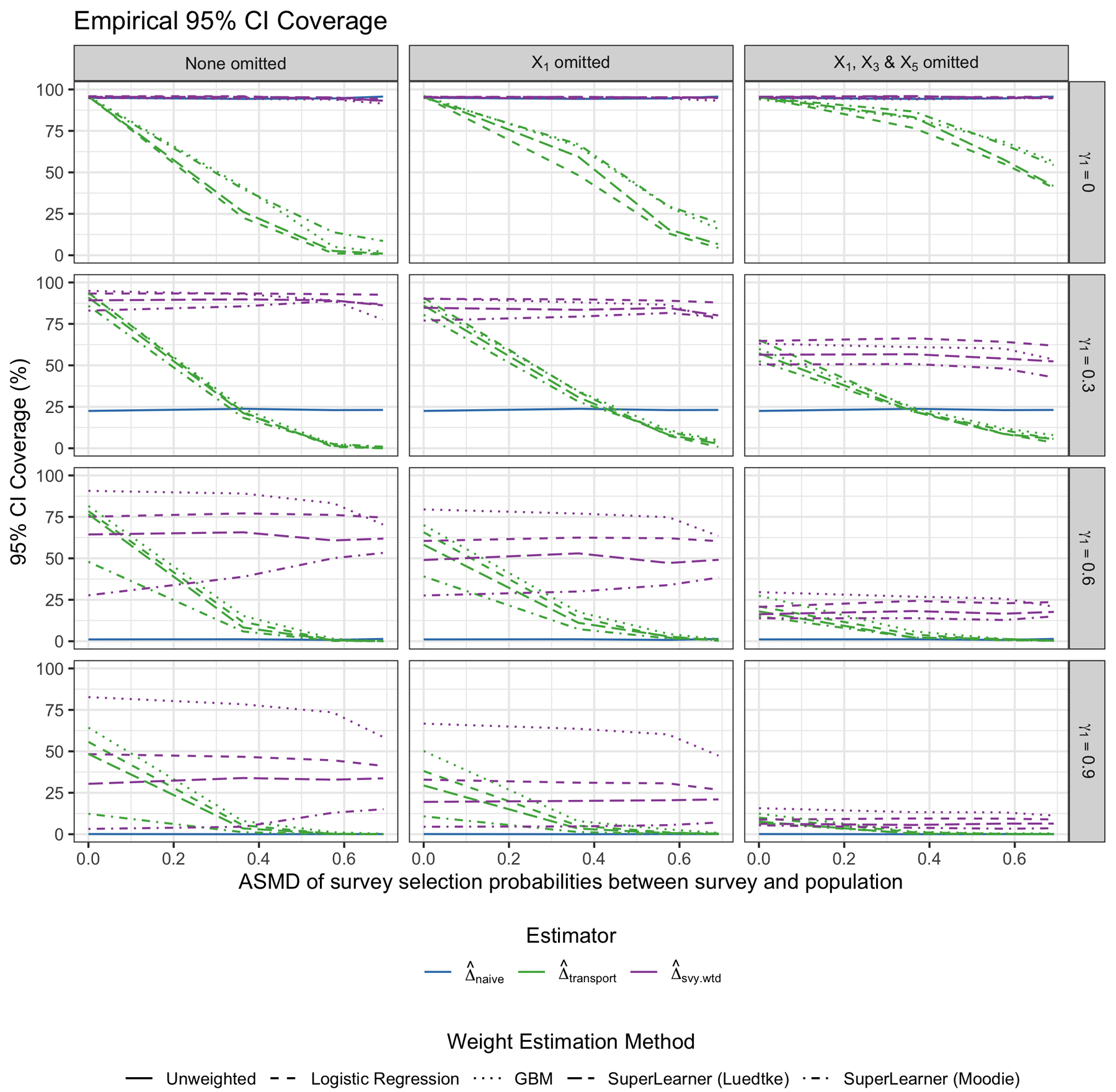
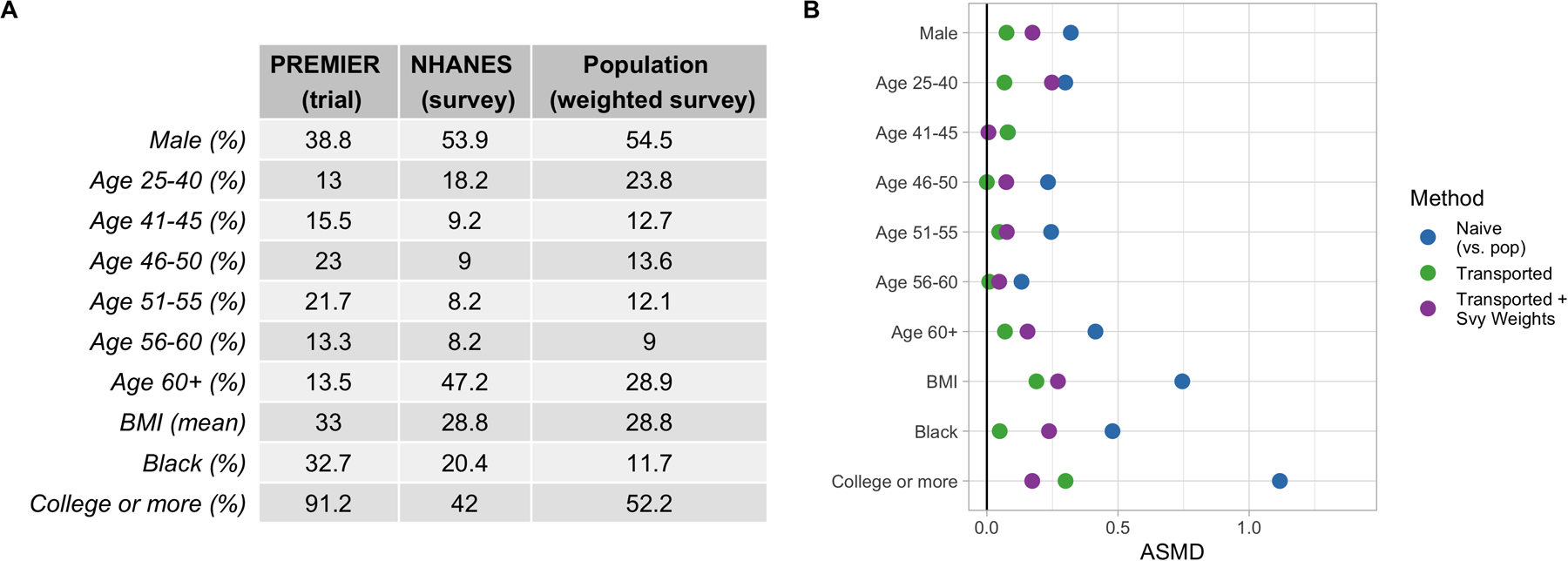
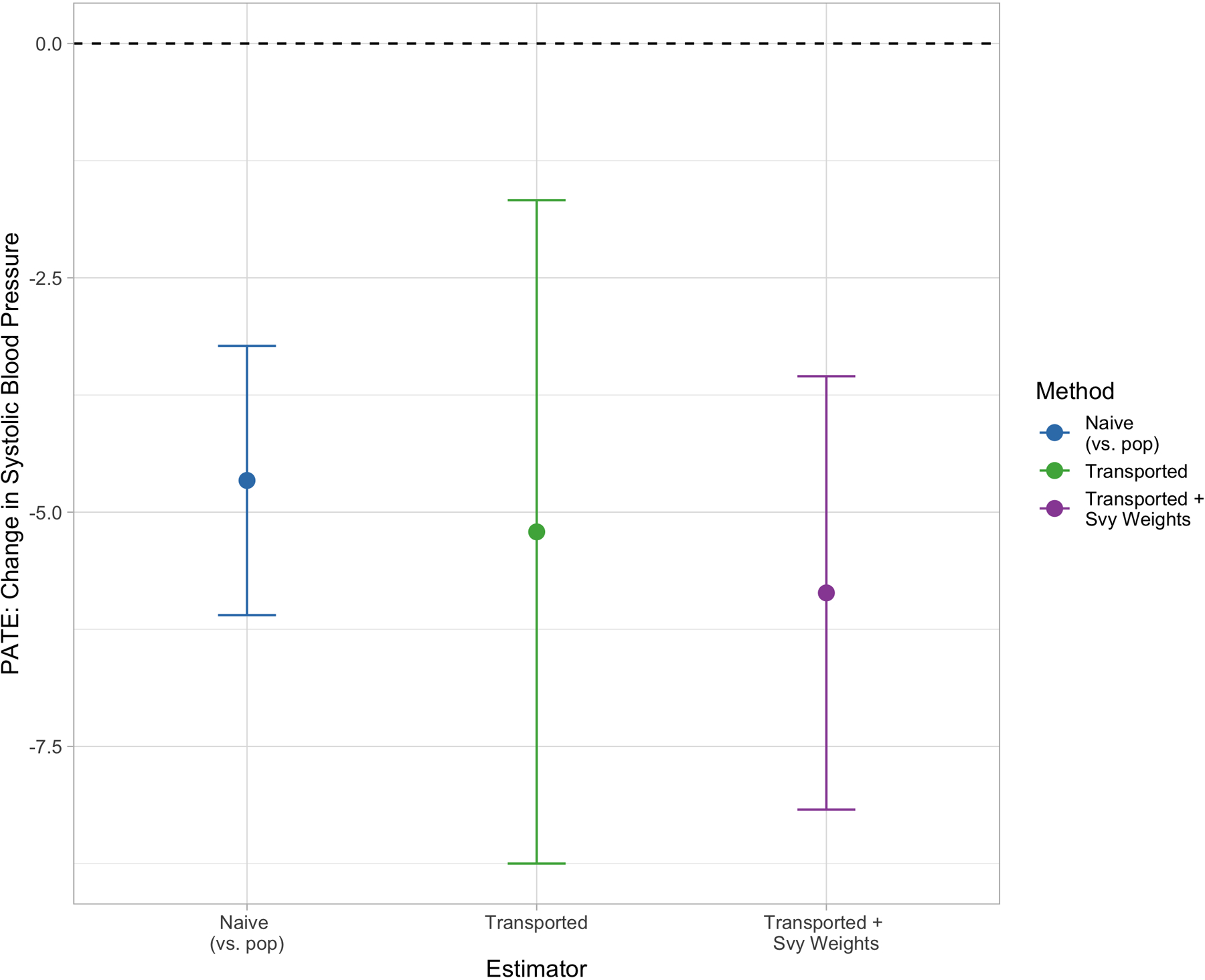
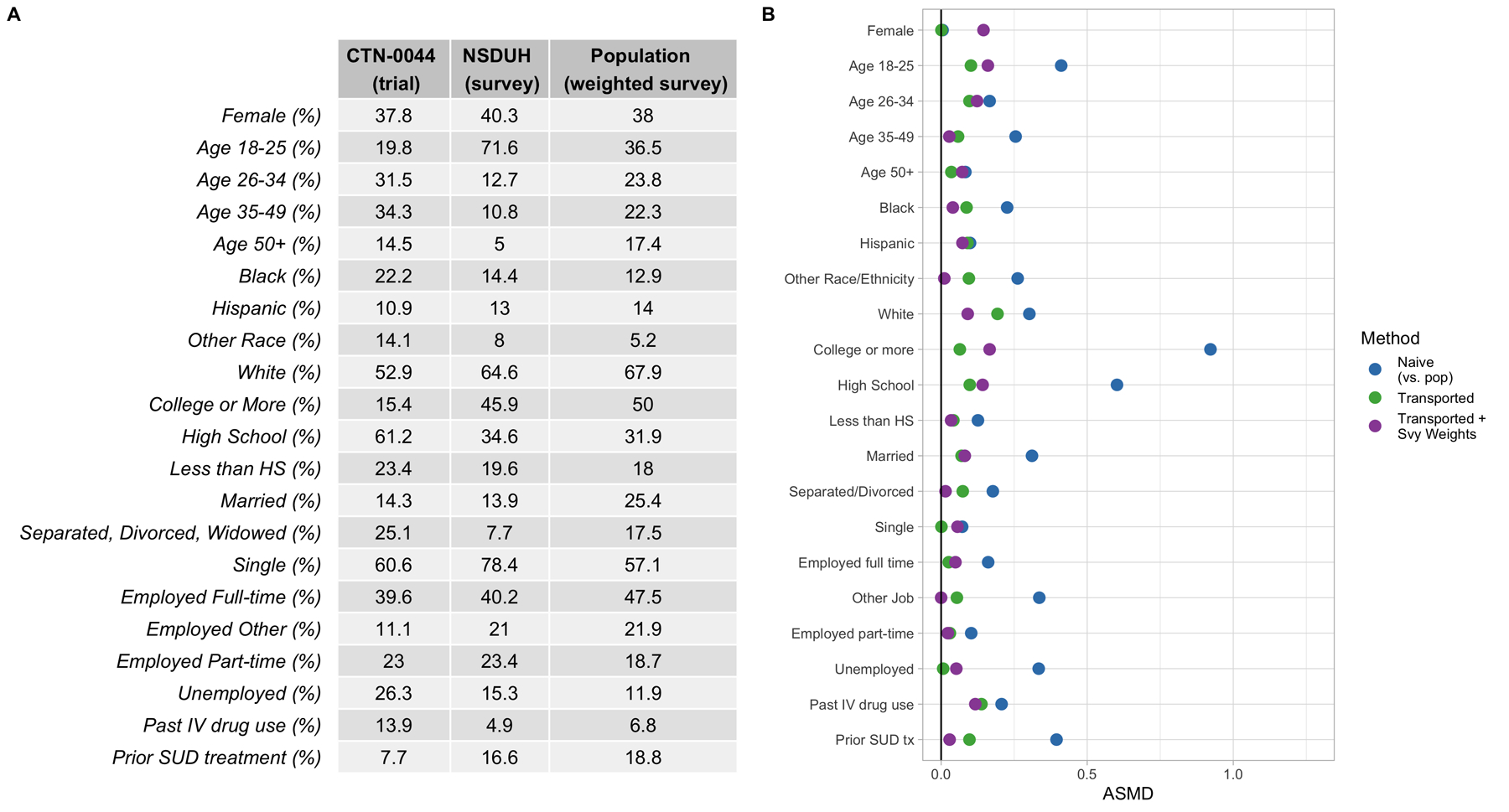
Randomized trials are considered the gold standard for estimating causal effects. Trial findings are often used to inform policy and programming efforts, yet their results may not generalize well to a relevant target population due to potential differences in effect moderators between the trial and population. Statistical methods have been developed to improve generalizability by combining trials and population data, and weighting the trial to resemble the population on baseline covariates. Large-scale surveys in fields such as health and education with complex survey designs are a logical source for population data; however, there is currently no best practice for incorporating survey weights when generalizing trial findings to a complex survey. We propose and investigate ways to incorporate survey weights in this context. We examine the performance of our proposed estimator through simulations in comparison to estimators that ignore the complex survey design. We then apply the methods to generalize findings from two trials-a lifestyle intervention for blood pressure reduction and a web-based intervention to treat substance use disorders-to their respective target populations using population data from complex surveys. The work highlights the importance in properly accounting for the complex survey design when generalizing trial findings to a population represented by a complex survey sample.
随机试验被视为估计因果效应的金标准。试验结果常被用于为政策和项目制定提供依据,然而,由于试验与目标人群之间在效应调节因素上可能存在差异,其结果可能无法很好地推广到相关目标人群。已经开发出统计方法,通过结合试验数据和人群数据,并对试验进行加权,使其在基线协变量上与人群相似,从而提高结果的可推广性。健康和教育等领域中具有复杂调查设计的大规模调查是获取人群数据的合理来源;然而,目前在将试验结果推广到复杂调查时,对于纳入调查权重尚无最佳实践方法。我们提出并研究了在这种情况下纳入调查权重的方法。通过模拟,我们将所提出的估计器的性能与忽略复杂调查设计的估计器进行了比较。然后,我们应用这些方法,利用来自复杂调查的人群数据,将两项试验的结果——一项降低血压的生活方式干预试验和一项治疗物质使用障碍的基于网络的干预试验——推广到各自的目标人群。这项工作凸显了在将试验结果推广到由复杂调查样本代表的人群时,正确考虑复杂调查设计的重要性。