Field Science Education and Research Center (FSERC), Kyoto University, Kitashirakawaoiwake-cho, Sakyo-ku, Kyoto, 606-8502, Japan.
Graduate School of Science and Engineering, Kagoshima University, 1-21-40 Korimoto, Kagoshima, 890-0065, Japan.
BMC Ecol. 2020 Nov 27;20(1):65. doi: 10.1186/s12898-020-00331-5.
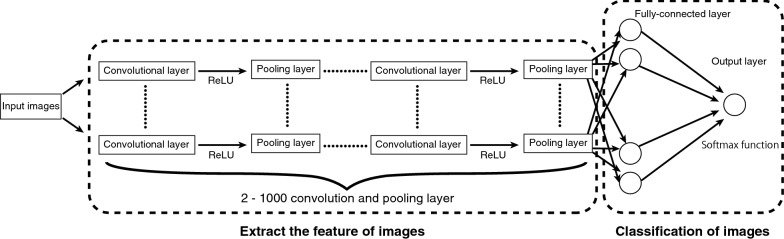
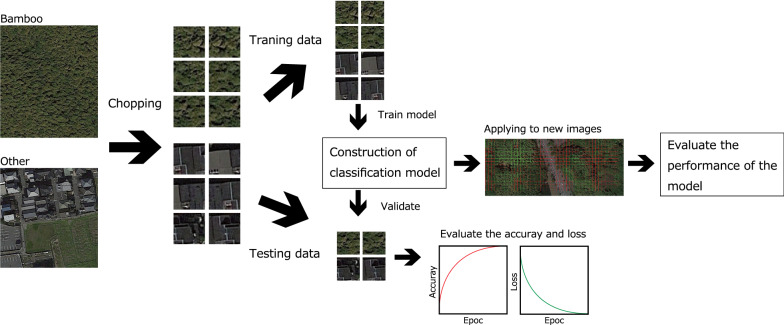
Classifying and mapping vegetation are crucial tasks in environmental science and natural resource management. However, these tasks are difficult because conventional methods such as field surveys are highly labor-intensive. Identification of target objects from visual data using computer techniques is one of the most promising techniques to reduce the costs and labor for vegetation mapping. Although deep learning and convolutional neural networks (CNNs) have become a new solution for image recognition and classification recently, in general, detection of ambiguous objects such as vegetation is still difficult. In this study, we investigated the effectiveness of adopting the chopped picture method, a recently described protocol for CNNs, and evaluated the efficiency of CNN for plant community detection from Google Earth images.
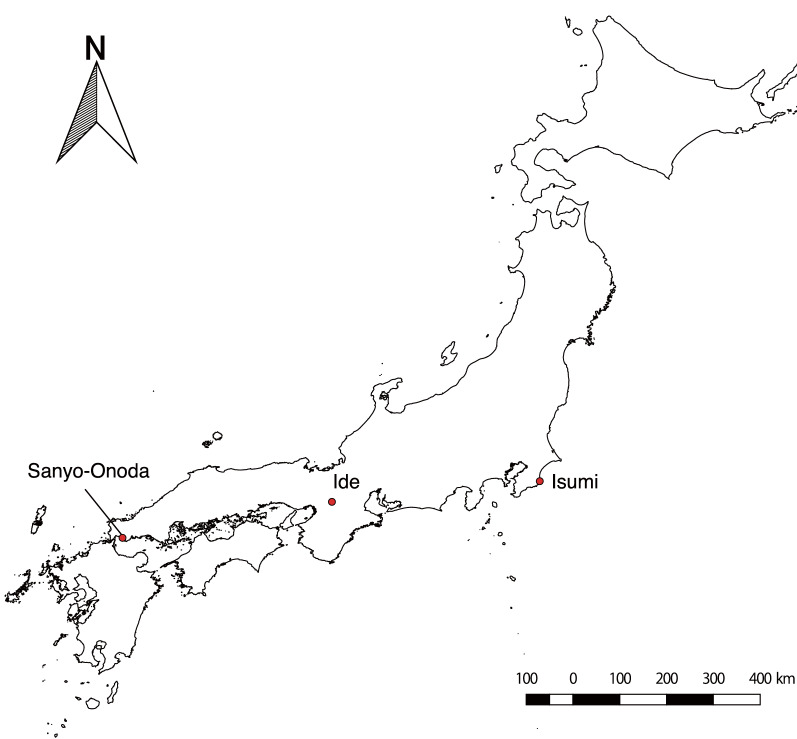
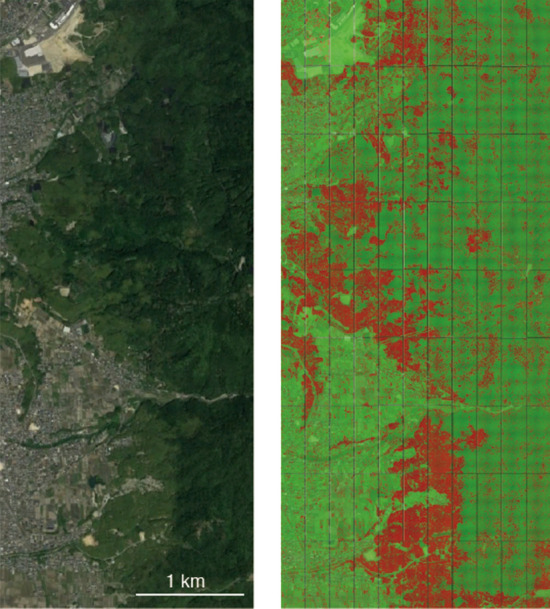
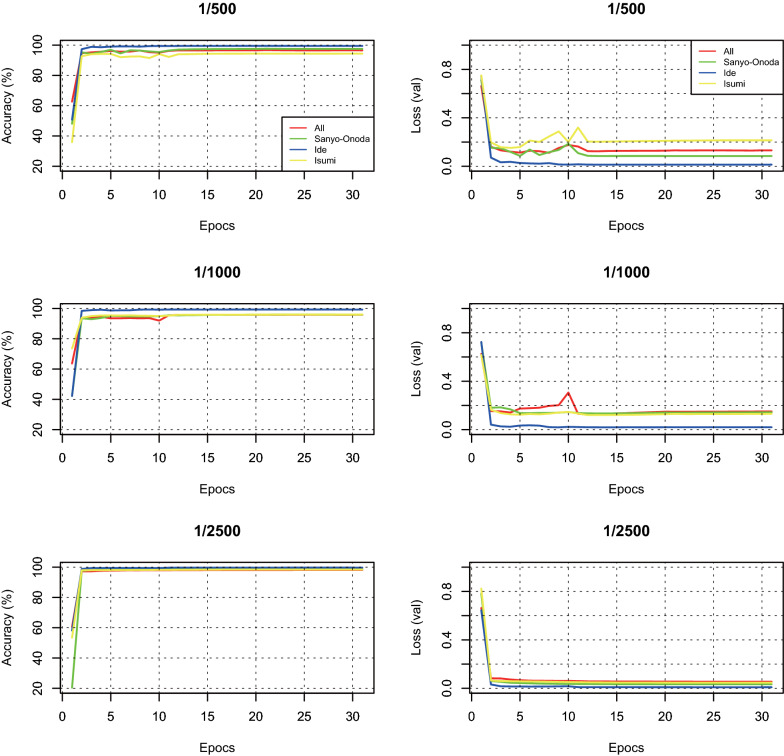
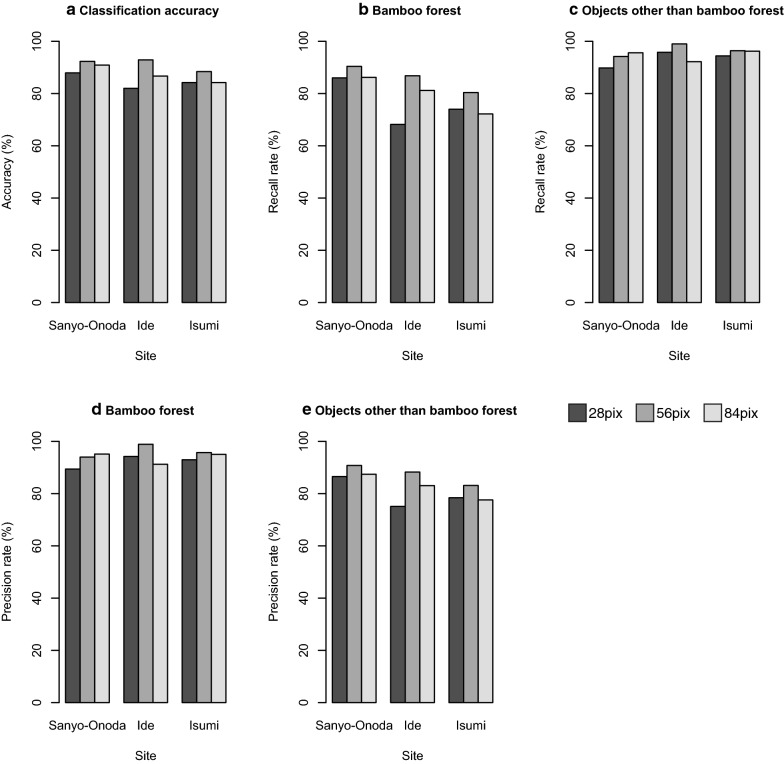
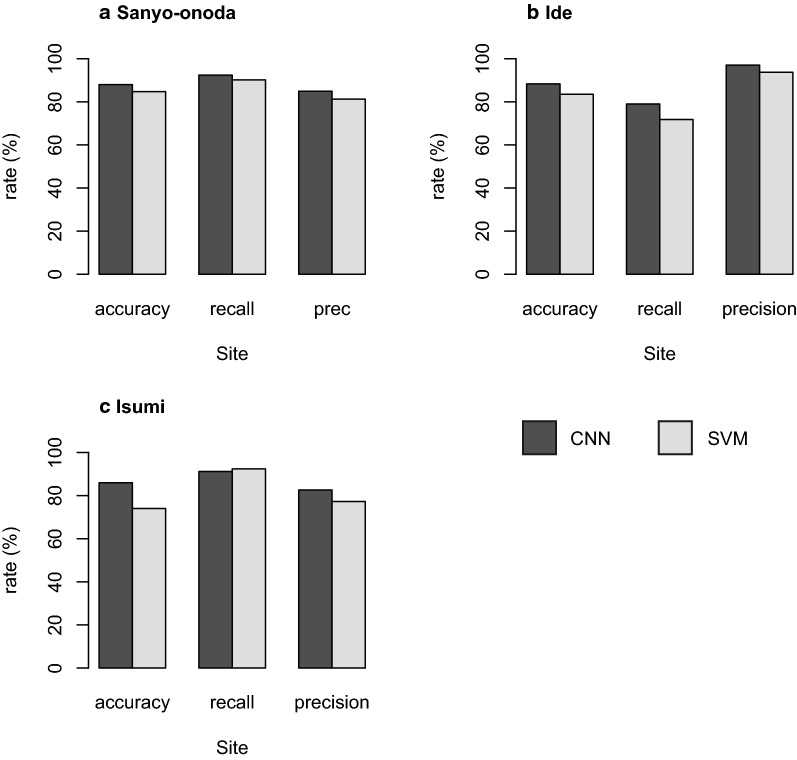
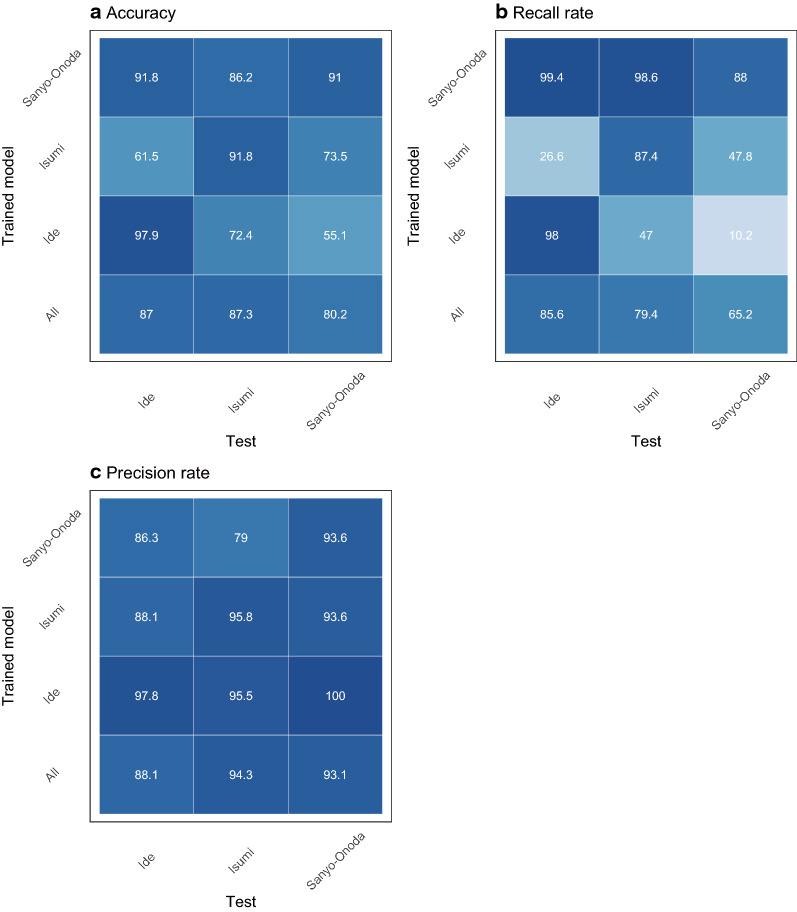
We selected bamboo forests as the target and obtained Google Earth images from three regions in Japan. By applying CNN, the best trained model correctly detected over 90% of the targets. Our results showed that the identification accuracy of CNN is higher than that of conventional machine learning methods.
Our results demonstrated that CNN and the chopped picture method are potentially powerful tools for high-accuracy automated detection and mapping of vegetation.
分类和绘制植被图是环境科学和自然资源管理中的关键任务。然而,这些任务很困难,因为传统的方法,如实地调查,需要大量的人力。使用计算机技术从视觉数据中识别目标对象是减少植被绘图成本和劳动力的最有前途的技术之一。尽管深度学习和卷积神经网络(CNNs)最近已成为图像识别和分类的新解决方案,但通常来说,对植被等模糊对象的检测仍然很困难。在这项研究中,我们研究了采用切块图片方法(一种最近描述的 CNN 协议)的有效性,并评估了 CNN 从谷歌地球图像中检测植物群落的效率。
我们选择竹林作为目标,并从日本的三个地区获取了谷歌地球图像。通过应用 CNN,最佳训练模型正确检测到了超过 90%的目标。我们的结果表明,CNN 的识别准确率高于传统的机器学习方法。
我们的结果表明,CNN 和切块图片方法是植被高精度自动检测和绘制的潜在强大工具。