
HEK293 细胞对静磁场的反应通过自由基对机制来解释脉冲电磁场的治疗效果。
HEK293 cell response to static magnetic fields via the radical pair mechanism may explain therapeutic effects of pulsed electromagnetic fields.
机构信息
Sorbonne Université - CNRS, UMR8256 - IBPS, Paris, France.
Department of Biology, Faculty of Science, Naresuan University, Phitsanulok, Thailand.
出版信息
PLoS One. 2020 Dec 3;15(12):e0243038. doi: 10.1371/journal.pone.0243038. eCollection 2020.
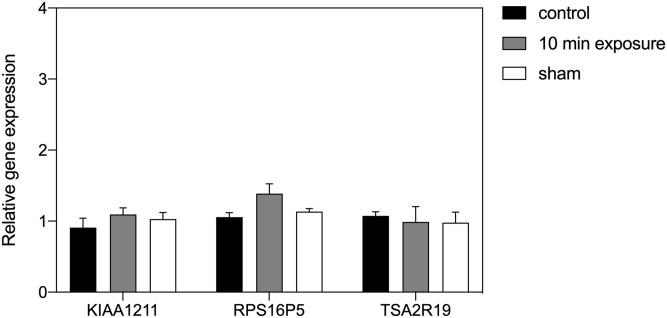
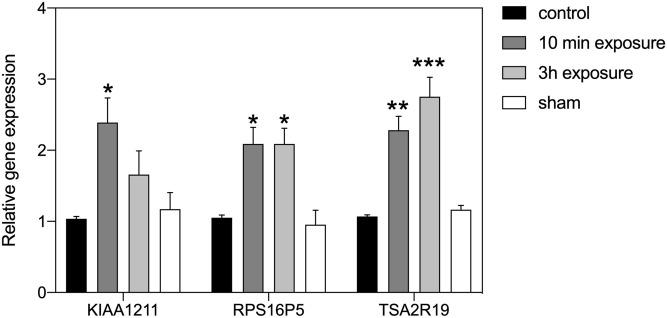
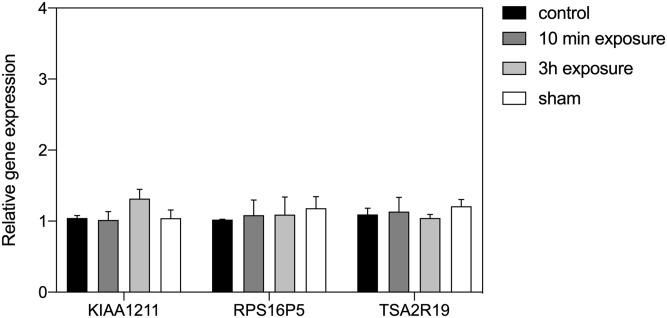
PEMF (Pulsed Electromagnetic Field) stimulation has been used for therapeutic purposes for over 50 years including in the treatment of memory loss, depression, alleviation of pain, bone and wound healing, and treatment of certain cancers. However, the underlying cellular mechanisms mediating these effects have remained poorly understood. In particular, because magnetic field pulses will induce electric currents in the stimulated tissue, it is unclear whether the observed effects are due to the magnetic or electric component of the stimulation. Recently, it has been shown that PEMFs stimulate the formation of ROS (reactive oxygen species) in human cell cultures by a mechanism that requires cryptochrome, a putative magnetosensor. Here we show by qPCR analysis of ROS-regulated gene expression that simply removing cell cultures from the Earth's geomagnetic field by placing them in a Low-Level Field condition induces similar effects on ROS signaling as does exposure of cells to PEMF. This effect can be explained by the so-called Radical Pair mechanism, which provides a quantum physical means by which the rates and product yields (e.g. ROS) of biochemical redox reactions may be modulated by magnetic fields. Since transient cancelling of the Earth's magnetic field can in principle be achieved by PEMF exposure, we propose that the therapeutic effects of PEMFs may be explained by the ensuing modulation of ROS synthesis. Our results could lead to significant improvements in the design and therapeutic applications of PEMF devices.
脉冲电磁场(PEMF)刺激已被用于治疗目的超过 50 年,包括治疗记忆丧失、抑郁症、缓解疼痛、促进骨骼和伤口愈合以及治疗某些癌症。然而,介导这些效应的潜在细胞机制仍知之甚少。特别是,由于磁场脉冲会在受刺激的组织中产生电流,因此尚不清楚观察到的效应是由于刺激的磁场还是电场成分引起的。最近,已经表明 PEMF 通过一种需要隐花色素(一种假定的磁传感器)的机制刺激人类细胞培养物中 ROS(活性氧)的形成。在这里,我们通过 ROS 调节基因表达的 qPCR 分析表明,仅通过将细胞培养物置于低水平磁场条件下,使其脱离地球的地磁场,就会对 ROS 信号产生类似于暴露于 PEMF 时的类似影响。这种效应可以用所谓的自由基对机制来解释,该机制提供了一种量子物理手段,通过该手段,磁场可以调节生化氧化还原反应的速率和产物产率(例如 ROS)。由于原则上可以通过 PEMF 暴露来瞬时抵消地球磁场,因此我们提出 PEMF 的治疗效果可能可以通过随后对 ROS 合成的调节来解释。我们的结果可能会导致 PEMF 设备的设计和治疗应用的重大改进。
 Zotero 插件