Shafaie Saba, Andalib Sina, Shafaei Hajar, Montaseri Azadeh, Tavakolizadeh Mahdi
Department of Pharmacology and Toxicology, Faculty of Pharmacy, Zanjan University of Medical Sciences, Zanjan, Iran.
Stem Cell Research Center, Tabriz University of Medical Sciences , Tabriz.
Int J Mol Cell Med. 2020 Summer;9(3):234-246. doi: 10.22088/IJMCM.BUMS.9.3.234. Epub 2020 Nov 10.
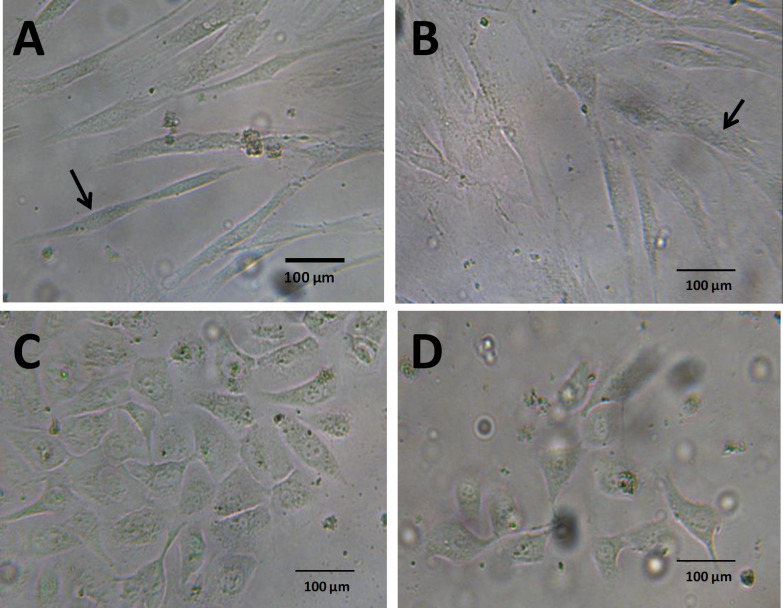
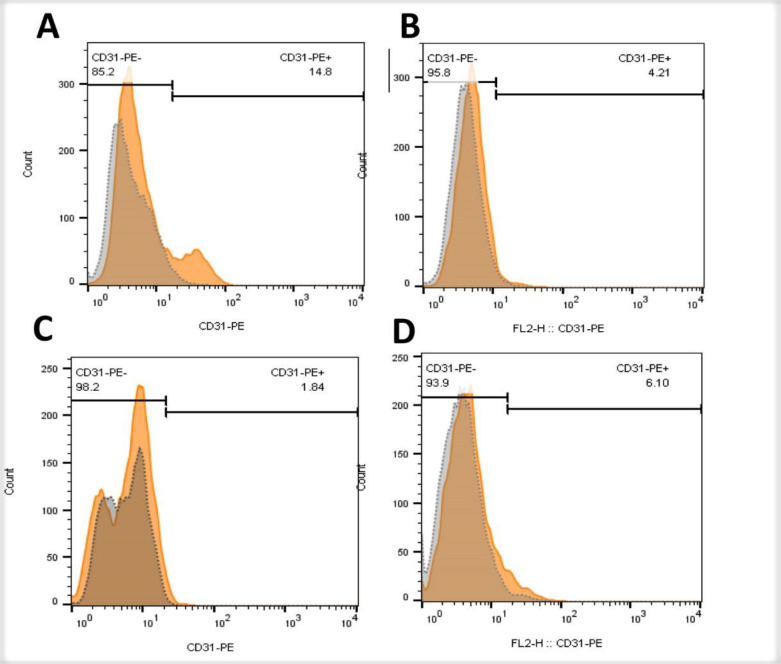
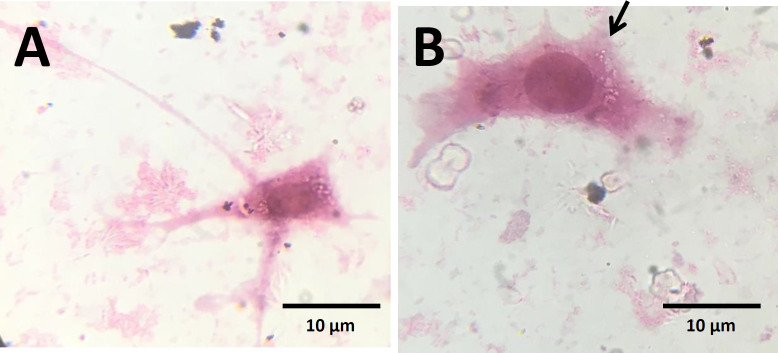
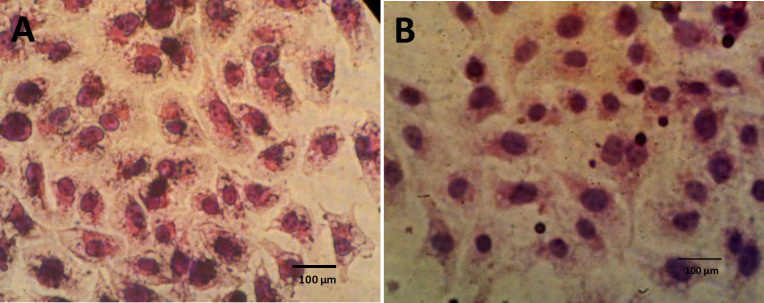
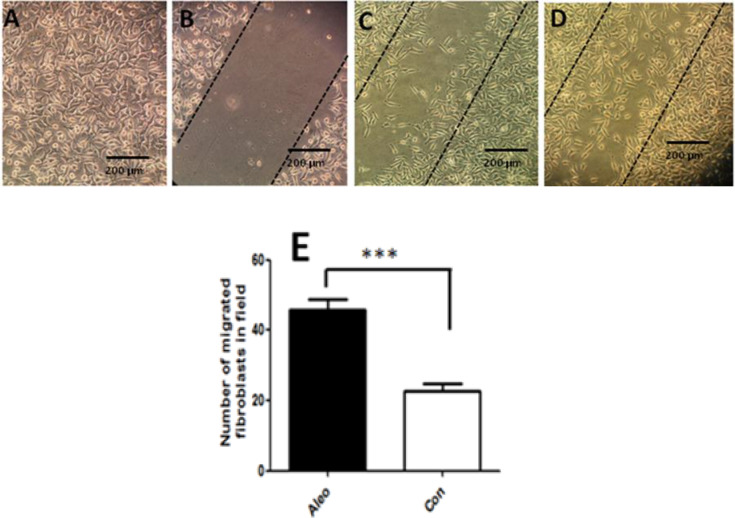
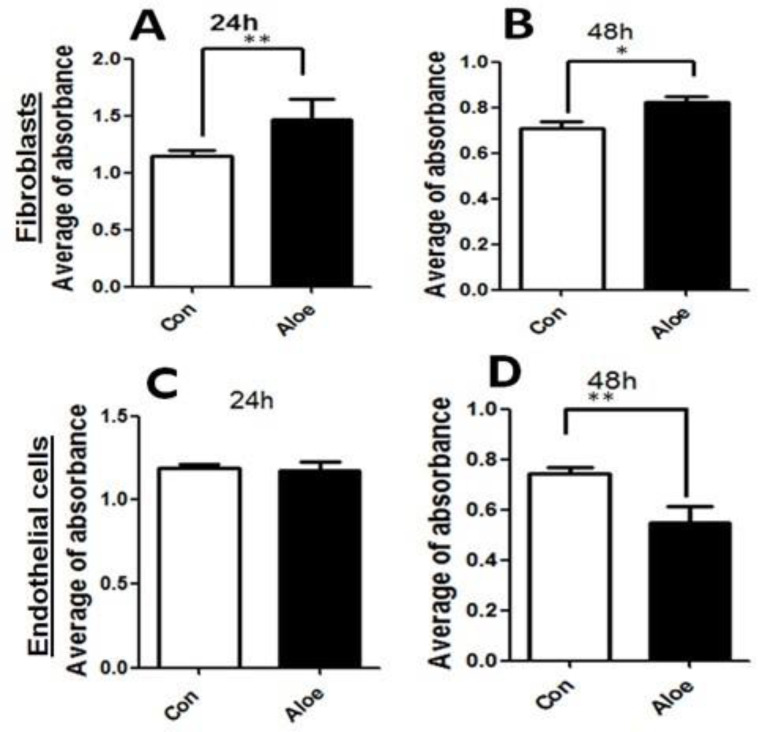
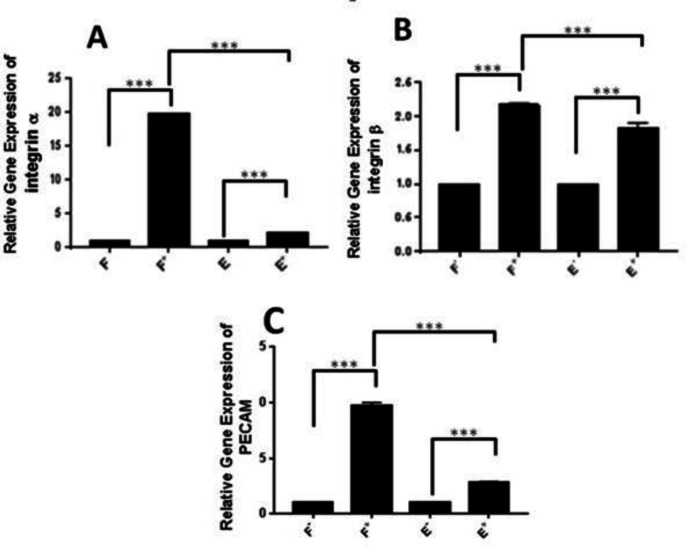
is used for its large variety of biological activities such as wound healing, anti-fungal, anti-inflammatory, hypoglycemic, immunomodulatory, gastroprotective, and anti-cancer. Although the beneficial effects of on wound healing have been proven, little is known about its effects at the cellular level. In this study, we evaluated the angiogenic and migrative effects of gel on fibroblasts and endothelial cells. Fibroblasts and endothelial cells were cultured in monolayer conditions with low glucose DMEM with 10% serum and 1% penicillin-streptomycin. Fresh and mature leaves of were used for gel preparation. Cell proliferation and morphology were studied by an inverted microscope. The migration of fibroblasts was assessed by scratch assay. MTT assay was performed for cell viability assessment, and real-time RT-PCR was used for evaluation of , integrin α1 and β1 transcription. After two days, the protein level of PECAM-1 was detected by flow cytometry. Our results showed that has a higher proliferative effect on fibroblasts in comparison with endothelial cells. also induced the migration of fibroblasts. The viability of both types of cells was similar to control ones. Integrin α β and gene expression increased significantly (P <0.005) in treated fibroblasts and endothelial cells in comparison with the control groups. However, the expression of these genes was significantly higher in fibroblasts in comparison with endothelial cells. Protein levels of PECAM-1 showed no change in both cell types upon treatment. gel induced angiogenic and cell adhesion properties in fibroblasts more than endothelial cells. Further investigations are needed to show the main role of fibroblasts rather than endothelial cells in wound healing by administration.
因其具有多种生物活性而被使用,如伤口愈合、抗真菌、抗炎、降血糖、免疫调节、胃保护和抗癌等。尽管已证实其对伤口愈合有益,但对其在细胞水平的作用知之甚少。在本研究中,我们评估了[具体物质]凝胶对成纤维细胞和内皮细胞的血管生成和迁移作用。成纤维细胞和内皮细胞在含10%血清和1%青霉素 - 链霉素的低糖DMEM单层培养条件下培养。[具体植物]的新鲜和成熟叶片用于制备凝胶。通过倒置显微镜研究细胞增殖和形态。通过划痕试验评估成纤维细胞的迁移。进行MTT试验评估细胞活力,并使用实时RT - PCR评估[相关基因名称]、整合素α1和β1的转录。两天后,通过流式细胞术检测PECAM - 1的蛋白水平。我们的结果表明,与内皮细胞相比,[具体物质]对成纤维细胞具有更高的增殖作用。[具体物质]还诱导了成纤维细胞的迁移。两种类型细胞的活力与对照组相似。与对照组相比,在[具体物质]处理的成纤维细胞和内皮细胞中,整合素αβ和[相关基因名称]基因表达显著增加(P <0.005)。然而,与内皮细胞相比,这些基因在成纤维细胞中的表达明显更高。在[具体物质]处理后,两种细胞类型中PECAM - 1的蛋白水平均未发生变化。[具体物质]凝胶在成纤维细胞中诱导的血管生成和细胞黏附特性比在内皮细胞中更强。需要进一步研究以表明在通过施用[具体物质]促进伤口愈合过程中,成纤维细胞而非内皮细胞的主要作用。