Samsung Genome Institute, Samsung Medical Center, Seoul, South Korea.
Division of Hematology-Oncology, Department of Medicine, Samsung Medical Center, Sungkyunkwan University School of Medicine, Seoul, Korea.
Exp Mol Med. 2020 Dec;52(12):1976-1988. doi: 10.1038/s12276-020-00538-y. Epub 2020 Dec 4.
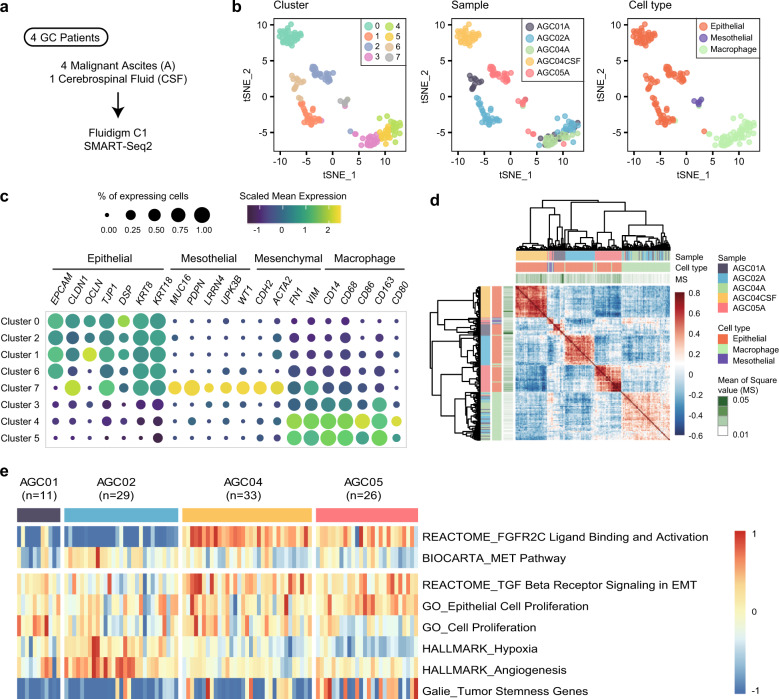
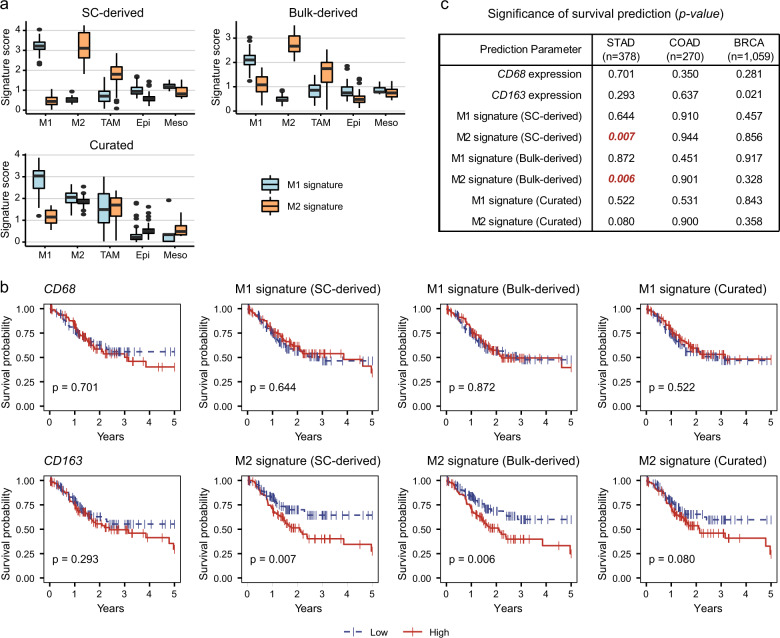
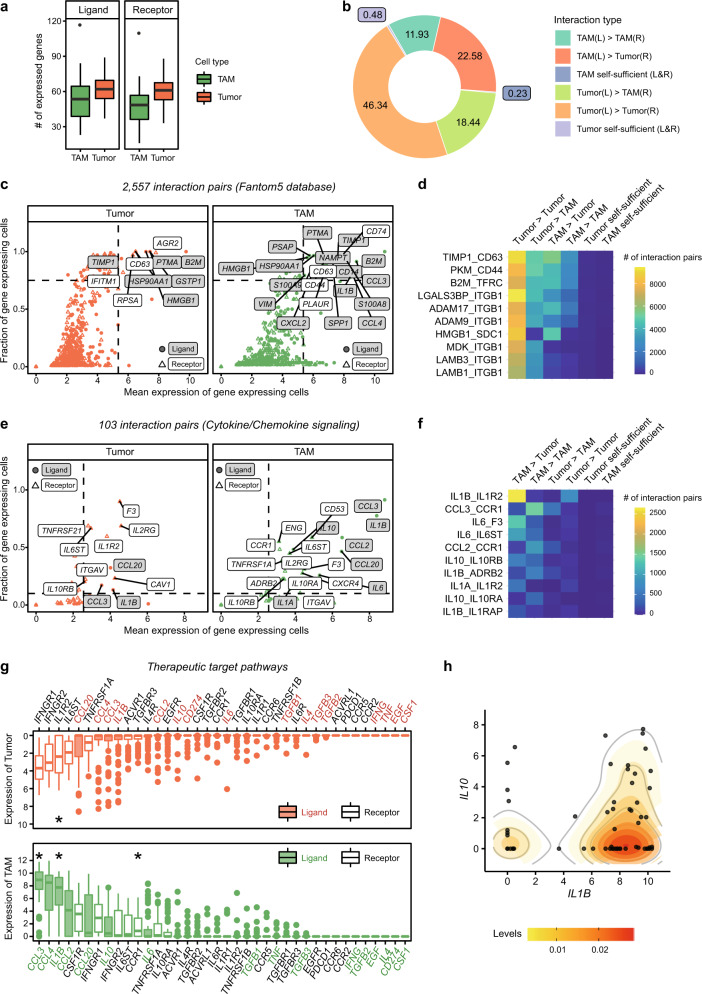
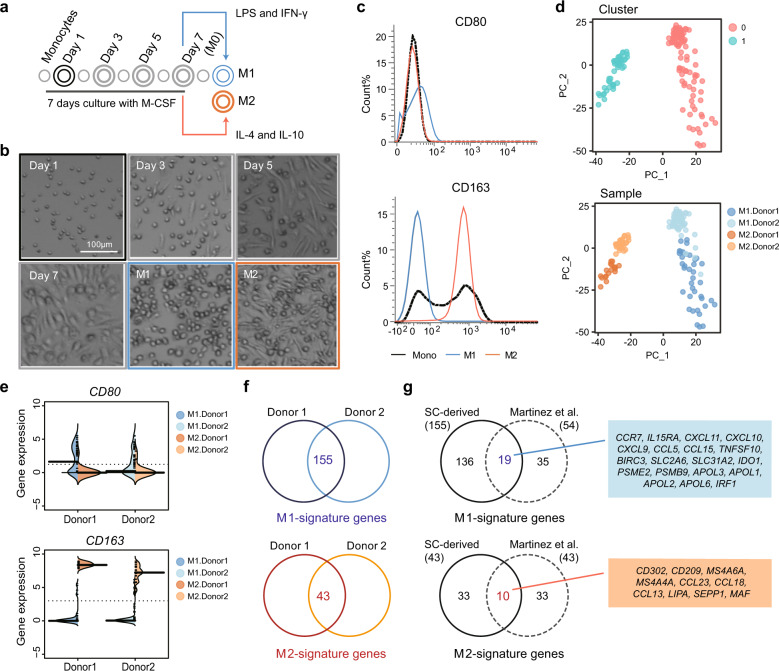
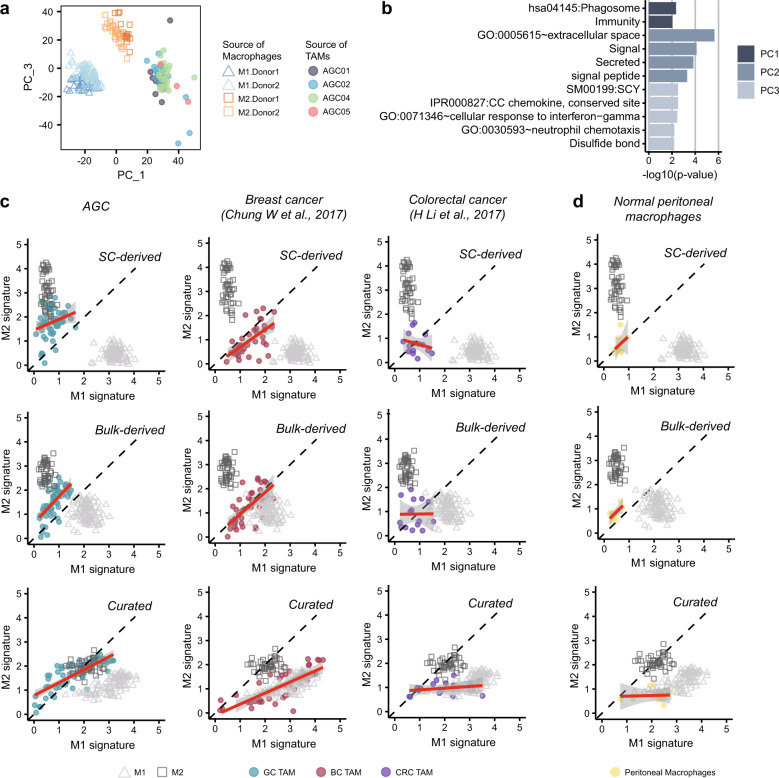
Gastric cancer (GC) patients develop malignant ascites as the disease progresses owing to peritoneal metastasis. GC patients with malignant ascites have a rapidly deteriorating clinical course with short survival following the onset of malignant ascites. Better optimized treatment strategies for this subset of patients are needed. To define the cellular characteristics of malignant ascites of GC, we used single-cell RNA sequencing to characterize tumor cells and tumor-associated macrophages (TAMs) from four samples of malignant ascites and one sample of cerebrospinal fluid. Reference transcriptomes for M1 and M2 macrophages were generated by in vitro differentiation of healthy blood-derived monocytes and applied to assess the inflammatory properties of TAMs. We analyzed 180 cells, including tumor cells, macrophages, and mesothelial cells. Dynamic exchange of tumor-promoting signals, including the CCL3-CCR1 or IL1B-IL1R2 interactions, suggests macrophage recruitment and anti-inflammatory tuning by tumor cells. By comparing these data with reference transcriptomes for M1-type and M2-type macrophages, we found noninflammatory characteristics in macrophages recovered from the malignant ascites of GC. Using public datasets, we demonstrated that the single-cell transcriptome-driven M2-specific signature was associated with poor prognosis in GC. Our data indicate that the anti-inflammatory characteristics of TAMs are controlled by tumor cells and present implications for treatment strategies for GC patients in which combination treatment targeting cancer cells and macrophages may have a reciprocal synergistic effect.
胃癌(GC)患者随着疾病的进展会因腹膜转移而产生恶性腹水。患有恶性腹水的 GC 患者在恶性腹水发作后临床病程迅速恶化,生存时间短。需要更好地优化这部分患者的治疗策略。为了定义 GC 恶性腹水的细胞特征,我们使用单细胞 RNA 测序来描绘来自四个恶性腹水样本和一个脑脊液样本的肿瘤细胞和肿瘤相关巨噬细胞(TAM)。通过体外分化健康血液来源的单核细胞生成了 M1 和 M2 巨噬细胞的参考转录组,并将其应用于评估 TAM 的炎症特性。我们分析了 180 个细胞,包括肿瘤细胞、巨噬细胞和间皮细胞。肿瘤细胞促进信号的动态交换,包括 CCL3-CCR1 或 IL1B-IL1R2 相互作用,提示巨噬细胞的募集和肿瘤细胞的抗炎调节。通过将这些数据与 M1 型和 M2 型巨噬细胞的参考转录组进行比较,我们发现从 GC 恶性腹水中回收的巨噬细胞具有非炎症特征。使用公共数据集,我们证明了单细胞转录组驱动的 M2 特异性特征与 GC 的预后不良相关。我们的数据表明,TAM 的抗炎特性受肿瘤细胞控制,并为 GC 患者的治疗策略提出了建议,其中针对肿瘤细胞和巨噬细胞的联合治疗可能具有相互协同的效果。