Soltani Saber, Zakeri Armin, Tabibzadeh Alireza, Zandi Milad, Ershadi Elham, Akhavan Rezayat Sara, Khaseb Sanaz, Zakeri Amir Mohammad, Ashtar Nakhaei Mohammadvala, Afzali Shervin, Farahani Abbas
Department of Virology, School of Public Health, Tehran University of Medical Sciences, Tehran, Iran.
Department of Hematology, Faculty of Medical Sciences, Tarbiat Modares University, Tehran, Iran.
Trop Med Health. 2020 Dec 2;48(1):96. doi: 10.1186/s41182-020-00284-x.
Parvovirus B19 is the causative agent for erythema infectiosum, and also as a potentially life-threatening infectious agent, it is mainly presented in high erythrocyte turnover patients. Sickle cell disease (SCD) is an inherited monogenic hematological disorder resulting from the mutations in the hemoglobin β-chain gene. Thalassemia is a hereditary hematological syndrome that happens in consequence of deficiencies in the production of one or more globin chains. We summarize current knowledge about the prevalence rates of the parvovirus B19 infection in sickle cell anemia and thalassemia patients.
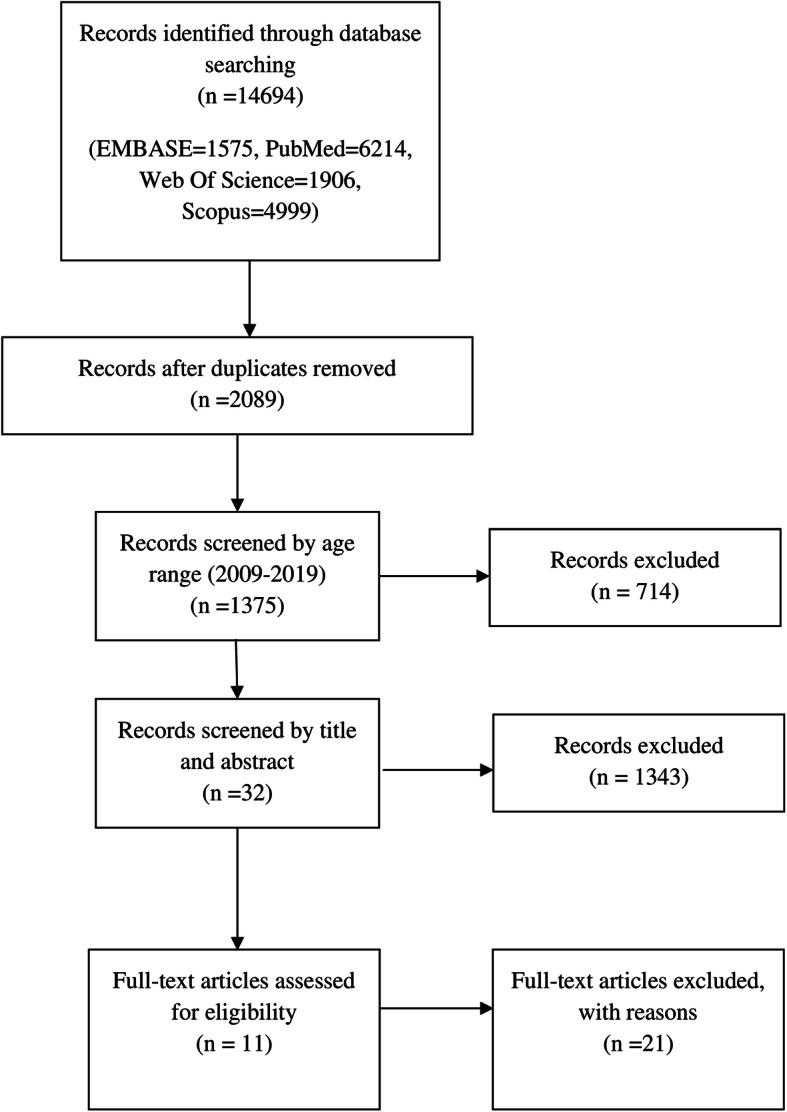
Several online databases were searched including, Scopus, EMBASE, Web of Science, Google Scholar, and PubMed, which were performed amidst 2009-2019 by using distinct keywords: "Thalassemia," "Parvovirus," "Anemia," "Sickle cell anemia," "parvoviridae," "parvoviridae infection," and "parvovirus B19."
Search results indicated 4 and 7 studies for the prevalence of the parvovirus B19 in β-thalassemia and SCD, respectively. Among the β-thalassemia patients, the B19V seroprevalence for IgG and IgM were ranged from 18.2-81% and 14.5-41.1%, respectively; meanwhile, B19V DNA positively results was 4-15.3%. Moreover, in the SCD group, the extent of B19V IgG was varied from 37.6 to 65.9% and that of IgM was in a range of 2.9-30%, and the DNA detection rate was 4-54%.
B19V seroprevalence changes in several conditions including, different epidemiological features, socio-economic status, and overpopulation. Age can expand the incidence of anti-B19V IgG/IgM in SCD and beta-thalassemia patients. Reinfection and diverse genotypes are relevant factors in the seroprevalence of B19v. The patients' immunological-hematological station and higher abundance of transfusions can affect the B19V seroprevalence in SCD and beta-thalassemia group. Further investigations in this field could be suggested to better understand the virus distribution in this susceptible population of patients.
细小病毒B19是传染性红斑的病原体,作为一种可能危及生命的传染因子,它主要出现在红细胞周转率高的患者中。镰状细胞病(SCD)是一种由血红蛋白β链基因突变引起的遗传性单基因血液疾病。地中海贫血是一种遗传性血液综合征,是由于一种或多种珠蛋白链生成不足所致。我们总结了目前关于镰状细胞贫血和地中海贫血患者中细小病毒B19感染患病率的知识。
检索了几个在线数据库,包括Scopus、EMBASE、科学网、谷歌学术和PubMed,检索时间为2009年至2019年,使用了不同的关键词:“地中海贫血”、“细小病毒”、“贫血”、“镰状细胞贫血”、“细小病毒科”、“细小病毒科感染”和“细小病毒B19”。
检索结果显示,分别有4项和7项关于细小病毒B19在地中海贫血和SCD中患病率的研究。在地中海贫血患者中,B19V IgG和IgM的血清阳性率分别为18.2%至81%和14.5%至41.1%;同时,B19V DNA阳性结果为4%至15.3%。此外,在SCD组中,B19V IgG的范围为37.6%至65.9%,IgM的范围为2.9%至30%,DNA检测率为4%至54%。
B19V血清阳性率在多种情况下会发生变化,包括不同的流行病学特征、社会经济地位和人口过剩。年龄会增加SCD和β地中海贫血患者中抗B19V IgG/IgM的发生率。再感染和不同的基因型是B19v血清阳性率的相关因素。患者的免疫血液状况和较高的输血频率会影响SCD和β地中海贫血组中B19V的血清阳性率。建议在该领域进行进一步研究,以更好地了解该易感患者群体中的病毒分布情况。