Faculty of Applied Mathematics, Silesian University of Technology, Gliwice, Poland.
Department of Applied Informatics, Vytautas Magnus University, Kaunas, Lithuania.
PLoS One. 2020 Dec 17;15(12):e0243189. doi: 10.1371/journal.pone.0243189. eCollection 2020.
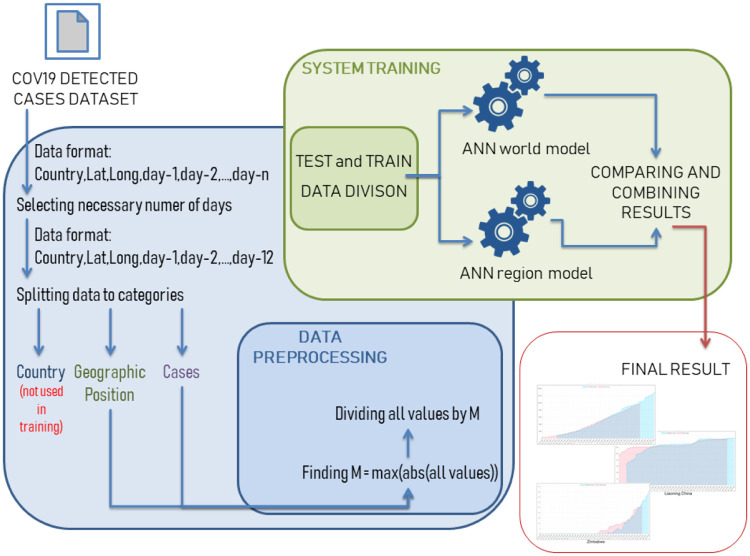
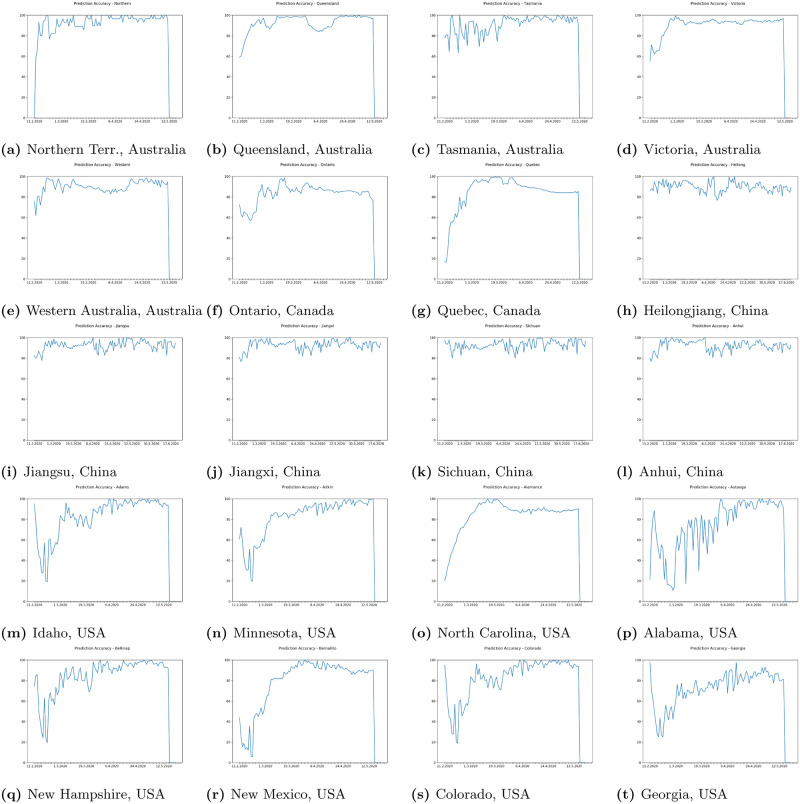
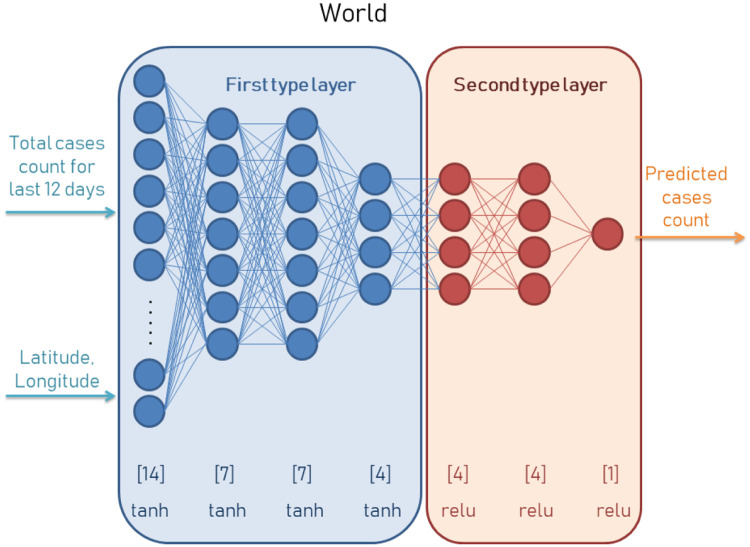
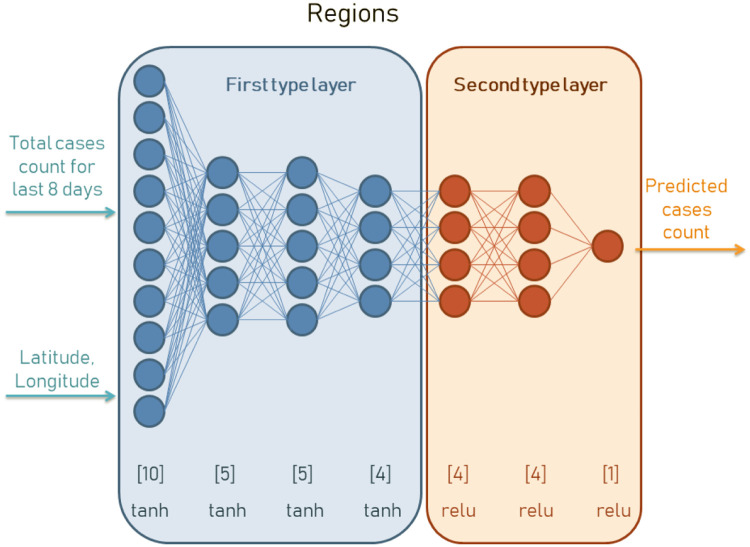
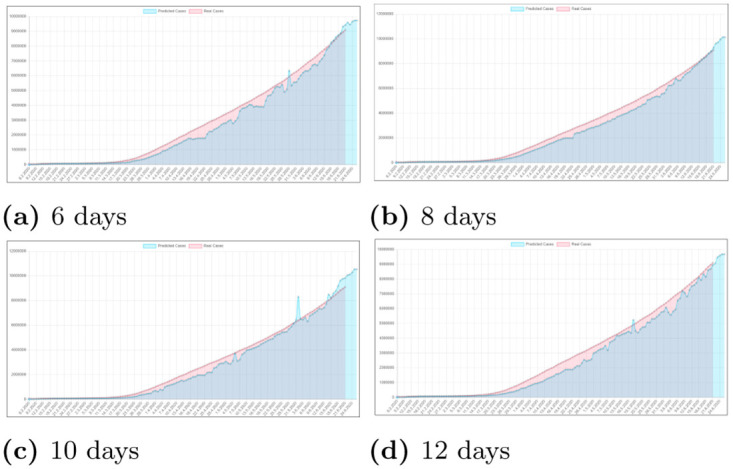
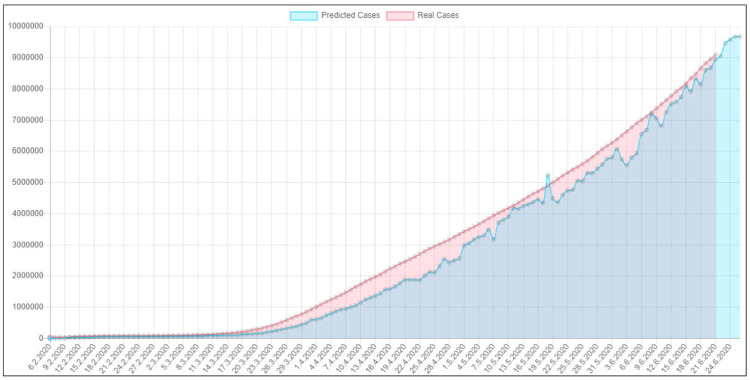
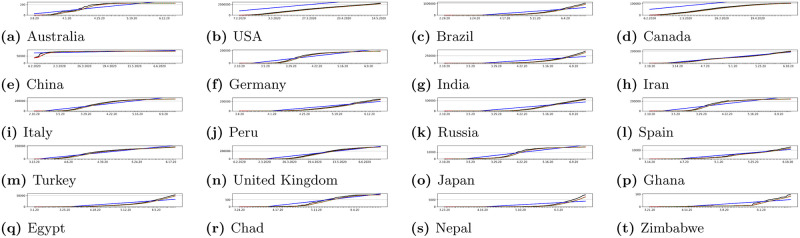
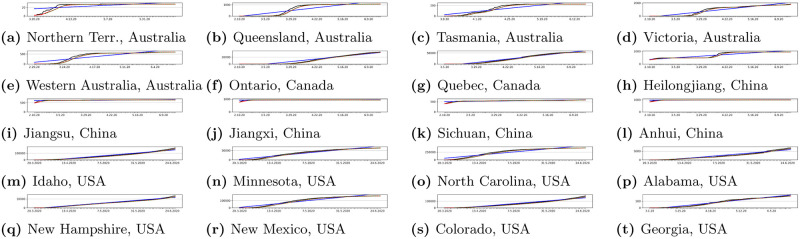
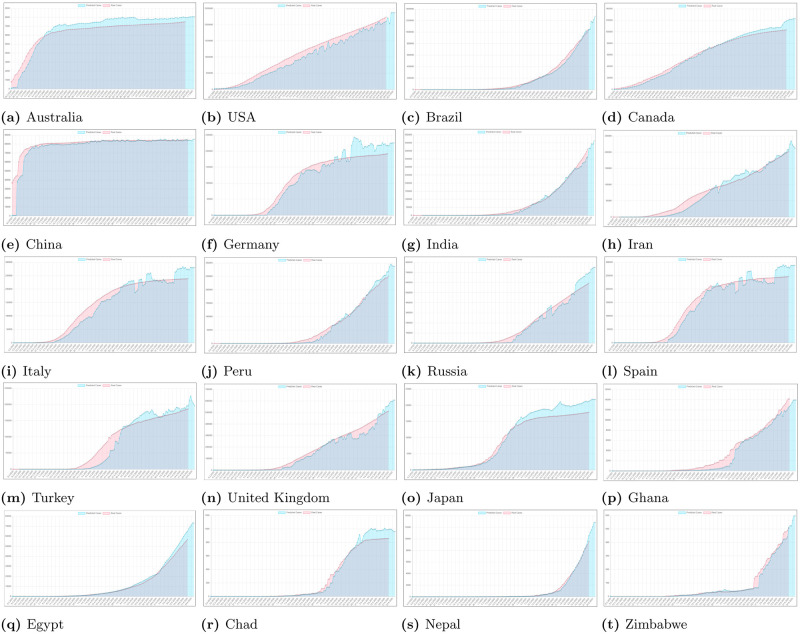
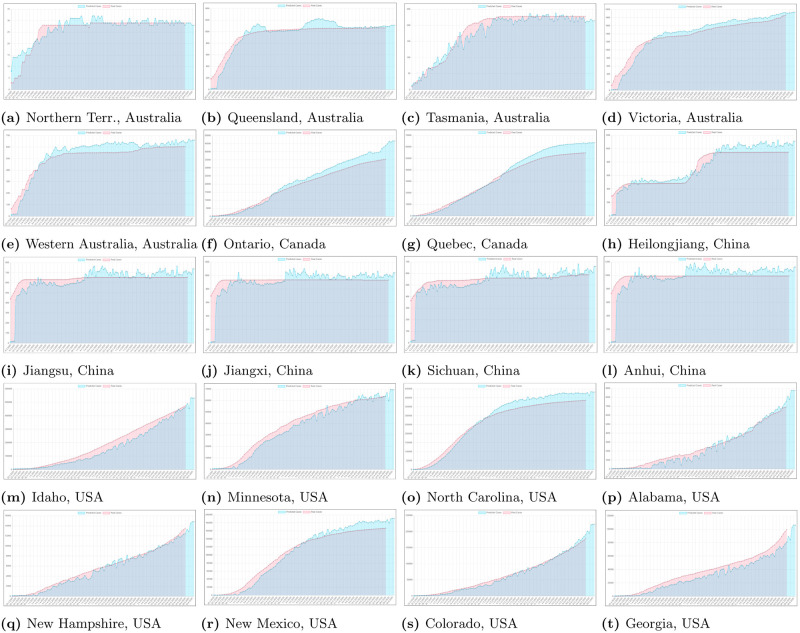
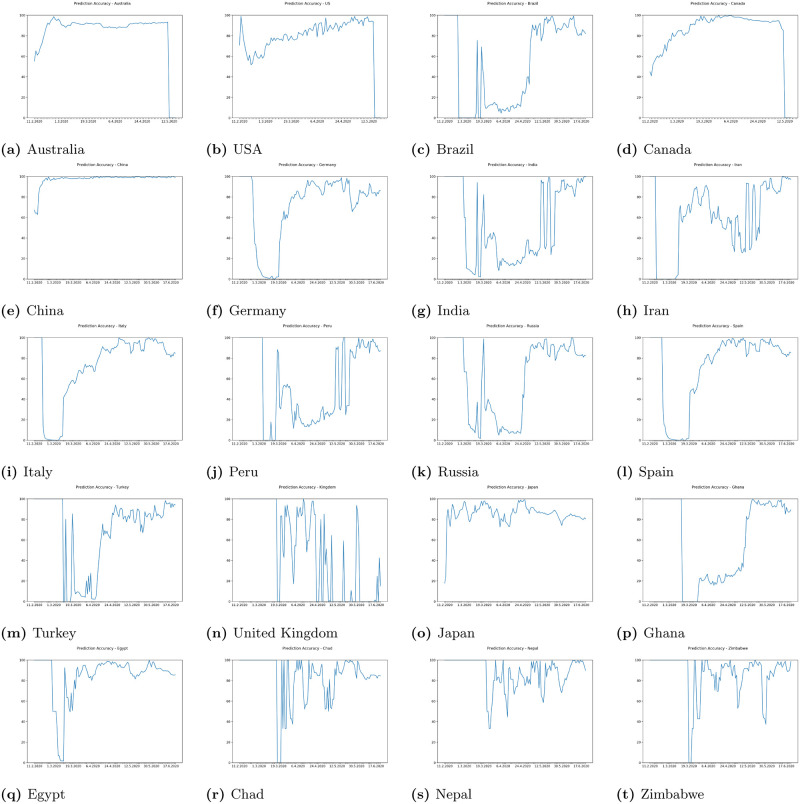
Since the epidemic outbreak in early months of 2020 the spread of COVID-19 has grown rapidly in most countries and regions across the World. Because of that, SARS-CoV-2 was declared as a Public Health Emergency of International Concern (PHEIC) on January 30, 2020, by The World Health Organization (WHO). That's why many scientists are working on new methods to reduce further growth of new cases and, by intelligent patients allocation, reduce number of patients per doctor, what can lead to more successful treatments. However to properly manage the COVID-19 spread there is a need for real-time prediction models which can reliably support various decisions both at national and international level. The problem in developing such system is the lack of general knowledge how the virus spreads and what would be the number of cases each day. Therefore prediction model must be able to conclude the situation from past data in the way that results will show a future trend and will possibly closely relate to the real numbers. In our opinion Artificial Intelligence gives a possibility to do it. In this article we present a model which can work as a part of an online system as a real-time predictor to help in estimation of COVID-19 spread. This prediction model is developed using Artificial Neural Networks (ANN) to estimate the future situation by the use of geo-location and numerical data from past 2 weeks. The results of our model are confirmed by comparing them with real data and, during our research the model was correctly predicting the trend and very closely matching the numbers of new cases in each day.
自 2020 年初疫情爆发以来,COVID-19 在世界上大多数国家和地区迅速传播。因此,世界卫生组织(WHO)于 2020 年 1 月 30 日宣布 SARS-CoV-2 为国际关注的突发公共卫生事件(PHEIC)。这就是为什么许多科学家正在研究新的方法来减少新病例的进一步增长,并通过智能患者分配,减少每位医生的患者数量,从而使治疗更加成功。然而,为了有效地管理 COVID-19 的传播,需要实时预测模型,该模型能够可靠地支持国家和国际各级的各种决策。开发这种系统的问题是缺乏有关病毒传播方式和每天病例数量的一般知识。因此,预测模型必须能够根据过去的数据得出结论,从而显示未来的趋势,并可能与实际数字密切相关。我们认为人工智能提供了这种可能性。在本文中,我们提出了一种可以作为在线系统的一部分的模型,作为实时预测器,以帮助估计 COVID-19 的传播。该预测模型是使用人工神经网络(ANN)开发的,通过使用过去 2 周的地理位置和数字数据来估计未来情况。我们通过将模型的结果与实际数据进行比较来验证模型的结果,在研究过程中,该模型正确地预测了趋势,并非常接近每天的新病例数。