Ramírez Elena, Urroz Mikel, Rodríguez Amelia, González-Muñoz Miguel, Martín-Vega Alberto, Villán Yuri, Seco Enrique, Monserrat Jaime, Frías Jesús, Carcas Antonio J, Borobia Alberto M
Department of Clinical Pharmacology, La Paz University Hospital-IdiPAZ, School of Medicine, Autonomous University of Madrid, Madrid, Spain.
Department of Immunology, La Paz University Hospital-IdiPAZ, Madrid, Spain.
Front Pharmacol. 2020 Dec 3;11:602841. doi: 10.3389/fphar.2020.602841. eCollection 2020.
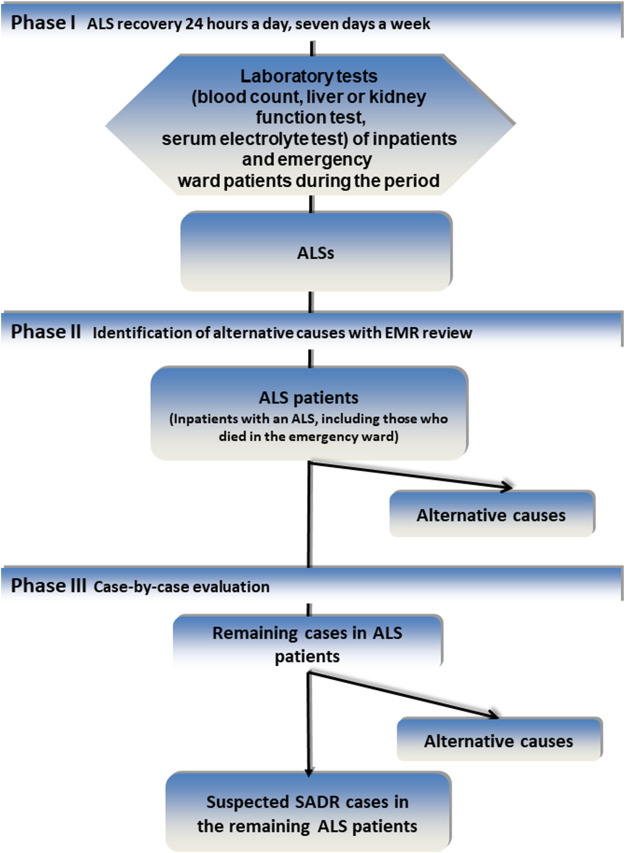
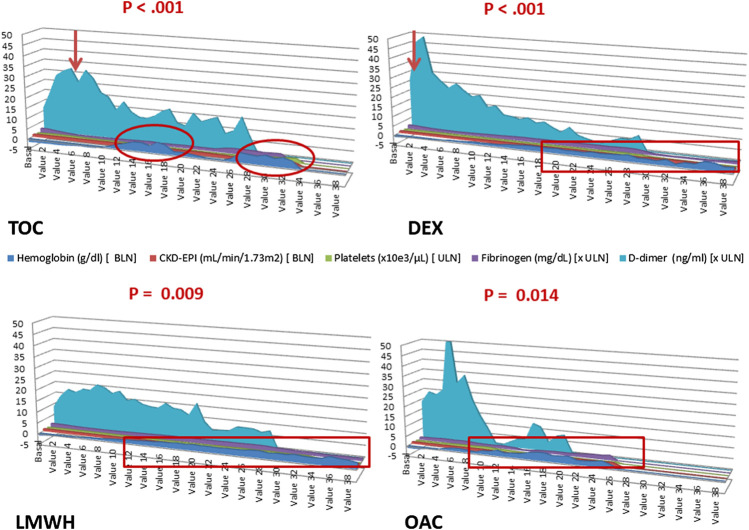
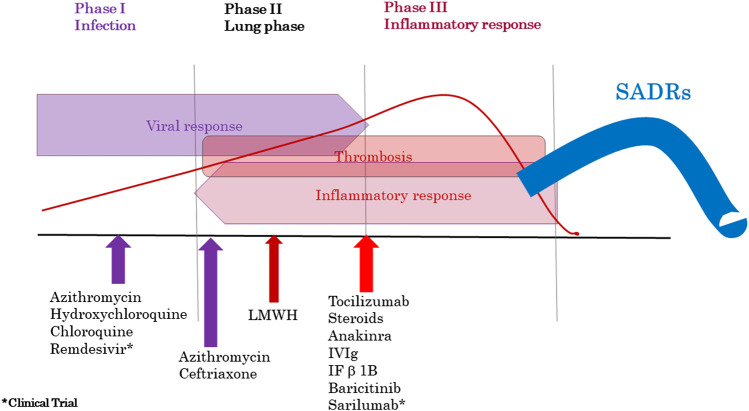
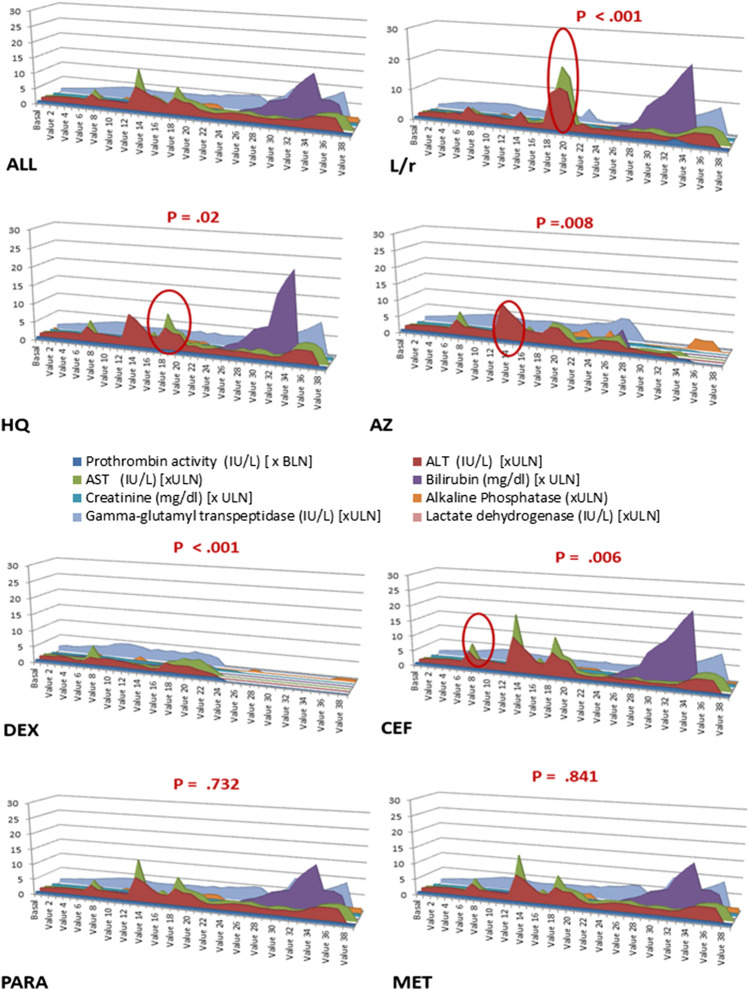
From March to April 2020, Spain was the center of the SARS-CoV-2 pandemic, particularly Madrid with approximately 30% of the cases in Spain. The aim of this study is to report the suspected serious adverse drug reactions (SADRs) in COVID-19 patients vs. non-COVID-19 patients detected by the prospective pharmacovigilance program based on automatic laboratory signals (ALSs) in the hospital (PPLSH) during that period. We also compared the results with the suspected SADRs detected during the same period for 2019. All ALSs that reflected potential SADRs including neutropenia, pancytopenia, thrombocytopenia, anemia, eosinophilia, leukocytes in cerebrospinal fluid, hepatitis, pancreatitis, acute kidney injury, rhabdomyolysis, and hyponatremia were prospectively monitored in hospitalized patients during the study periods. We analyzed the incidence and the distribution of causative drugs for the COVID-19 patients. The incidence rate of SADRs detected in the COVID-19 patients was 760.63 (95% CI 707.89-816.01) per 10,000 patients, 4.75-fold higher than the SADR rate for non-COVID-19 patients (160.15 per 10,000 patients, 95% CI 137.09-186.80), and 5.84-fold higher than the SADR rate detected for the same period in 2019 (130.19 per 10,000 patients, 95% CI 109.53-154.36). The most frequently related drugs were tocilizumab (59.84%), dexketoprofen (13.93%), azithromycin (8.43%), lopinavir-ritonavir (7.35%), dexamethasone (7.62%), and chloroquine/hydroxychloroquine (6.91%). The incidence rate of SADRs detected by the PPSLH in patients with COVID-19 was 4.75-fold higher than that of the non-COVID-19 patients. Caution is recommended when using medications for COVID-19 patients, especially drugs that are hepatotoxic, myotoxic, and those that induce thromboembolic events.
2020年3月至4月,西班牙是严重急性呼吸综合征冠状病毒2(SARS-CoV-2)大流行的中心,尤其是马德里,该国约30%的病例集中于此。本研究旨在报告在该时期通过医院基于自动实验室信号(ALS)的前瞻性药物警戒计划(PPLSH)检测到的新冠肺炎患者与非新冠肺炎患者中疑似严重药物不良反应(SADR)的情况。我们还将结果与2019年同期检测到的疑似SADR进行了比较。在研究期间,对所有反映潜在SADR的ALS进行前瞻性监测,这些潜在SADR包括中性粒细胞减少、全血细胞减少、血小板减少、贫血、嗜酸性粒细胞增多、脑脊液中的白细胞、肝炎、胰腺炎、急性肾损伤、横纹肌溶解和低钠血症。我们分析了新冠肺炎患者中致病药物的发生率和分布情况。新冠肺炎患者中检测到的SADR发生率为每10000例患者760.63例(95%置信区间707.89 - 816.01),比非新冠肺炎患者的SADR发生率(每10000例患者160.15例,95%置信区间137.09 - 186.80)高4.75倍,比2019年同期检测到的SADR发生率(每10000例患者130.19例,95%置信区间109.53 - 154.36)高5.84倍。最常涉及的药物是托珠单抗(59.84%)、右酮洛芬(13.93%)、阿奇霉素(8.43%)、洛匹那韦 - 利托那韦(7.35%)、地塞米松(7.62%)以及氯喹/羟氯喹(6.91%)。PPLSH在新冠肺炎患者中检测到的SADR发生率比非新冠肺炎患者高4.75倍。对于新冠肺炎患者使用药物时,尤其是具有肝毒性、肌毒性以及会引发血栓栓塞事件的药物,建议谨慎使用。