Kodio Aly, Menu Estelle, Ranque Stéphane
Aix-Marseille Université, Instiut de Recherche pour le Développement, Assistance Publique Hôpitaux de Marseille, Service de Santé des Armées, Vecteurs et Infections TROpicales et MEditerranéennes, 13005 Marseille, France.
IHU-Méditerranée Infection, 13005 Marseille, France.
Microorganisms. 2020 Dec 17;8(12):2018. doi: 10.3390/microorganisms8122018.
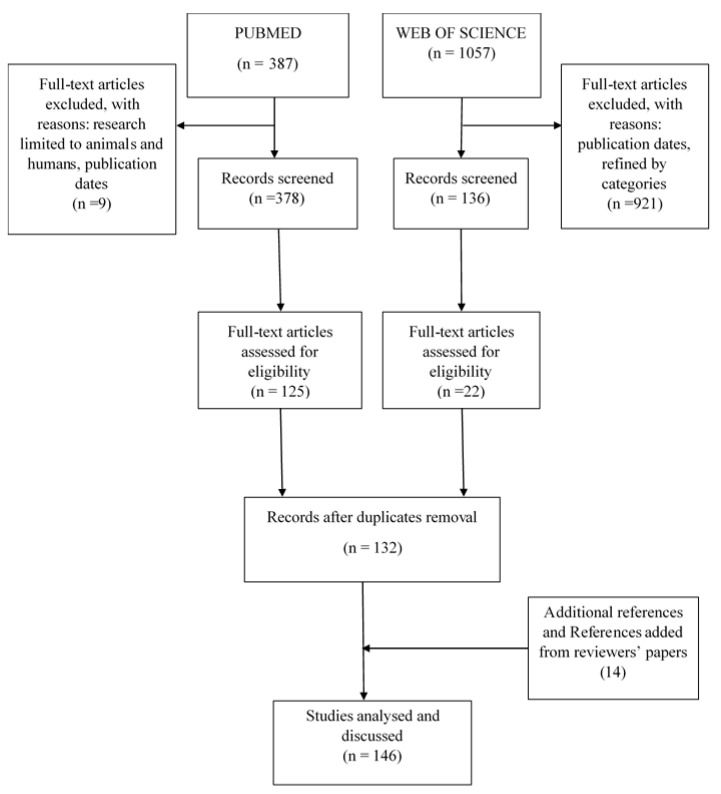
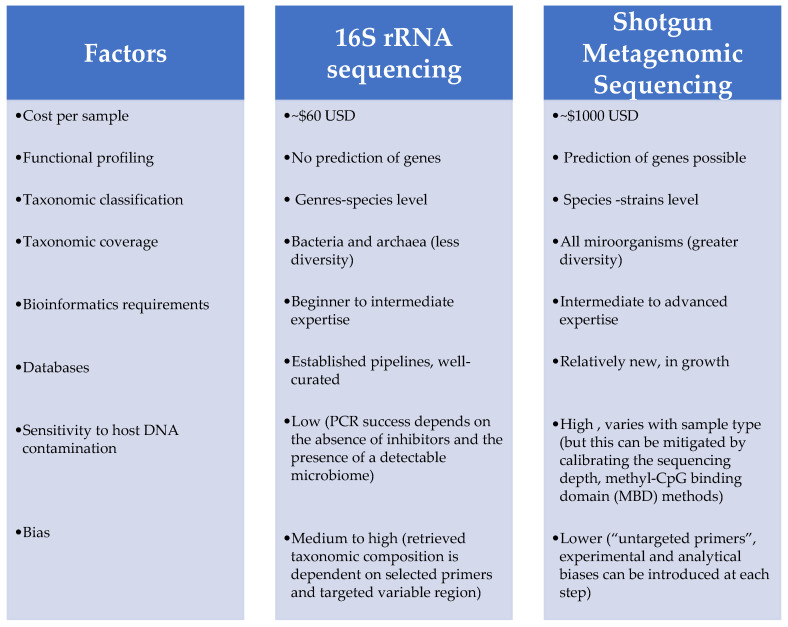
The nature of the relationship between the communities of microorganisms making up the microbiota in and on a host body has been increasingly explored in recent years. Microorganisms, including bacteria, archaea, viruses, parasites and fungi, have often long co-evolved with their hosts. In human, the structure and diversity of microbiota vary according to the host's immunity, diet, environment, age, physiological and metabolic status, medical practices (e.g., antibiotic treatment), climate, season and host genetics. The recent advent of next generation sequencing (NGS) technologies enhanced observational capacities and allowed for a better understanding of the relationship between distinct microorganisms within microbiota. The interaction between the host and their microbiota has become a field of research into microorganisms with therapeutic and preventive interest for public health applications. This review aims at assessing the current knowledge on interactions between prokaryotic and eukaryotic communities. After a brief description of the metagenomic methods used in the studies were analysed, we summarise the findings of available publications describing the interaction between the bacterial communities and protozoa, helminths and fungi, either in vitro, in experimental models, or in humans. Overall, we observed the existence of a beneficial effect in situations where some microorganisms can improve the health status of the host, while the presence of other microorganisms has been associated with pathologies, resulting in an adverse effect on human health.
近年来,人们越来越多地探索构成宿主体内和体表微生物群的微生物群落之间的关系本质。包括细菌、古菌、病毒、寄生虫和真菌在内的微生物通常与其宿主长期共同进化。在人类中,微生物群的结构和多样性会因宿主的免疫力、饮食、环境、年龄、生理和代谢状态、医疗实践(如抗生素治疗)、气候、季节以及宿主基因而有所不同。新一代测序(NGS)技术的出现提高了观察能力,使人们能够更好地理解微生物群中不同微生物之间的关系。宿主与其微生物群之间的相互作用已成为一个对公共卫生应用具有治疗和预防意义的微生物研究领域。本综述旨在评估目前关于原核生物和真核生物群落之间相互作用的知识。在简要描述了研究中使用的宏基因组学方法后,我们总结了现有出版物中描述细菌群落与原生动物、蠕虫和真菌在体外、实验模型或人类中相互作用的研究结果。总体而言,我们观察到在某些微生物可改善宿主健康状况的情况下存在有益影响,而其他微生物的存在则与疾病相关,对人类健康产生不利影响。