Department of Medicine and Medical Specialties, Faculty of Medicine and Health Sciences, University of Alcalá, Alcalá de Henares, 28801 Madrid, Spain.
Ramón y Cajal Health Research Institute (IRYCIS), 28034 Madrid, Spain.
Int J Mol Med. 2021 Feb;47(2):415-434. doi: 10.3892/ijmm.2020.4828. Epub 2020 Dec 22.
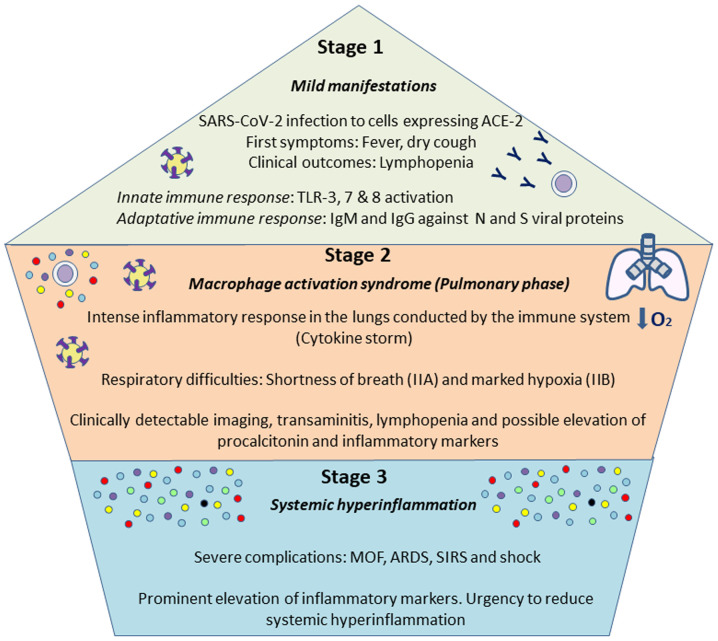
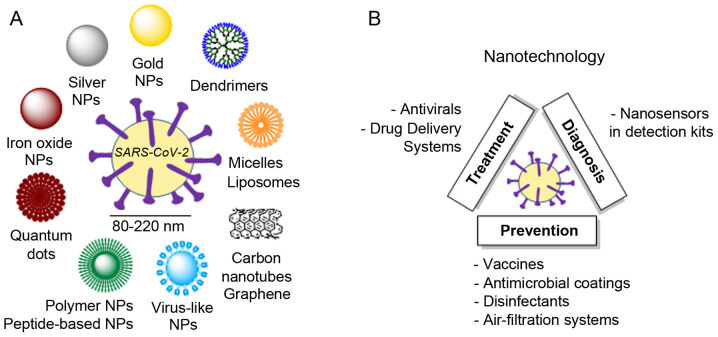
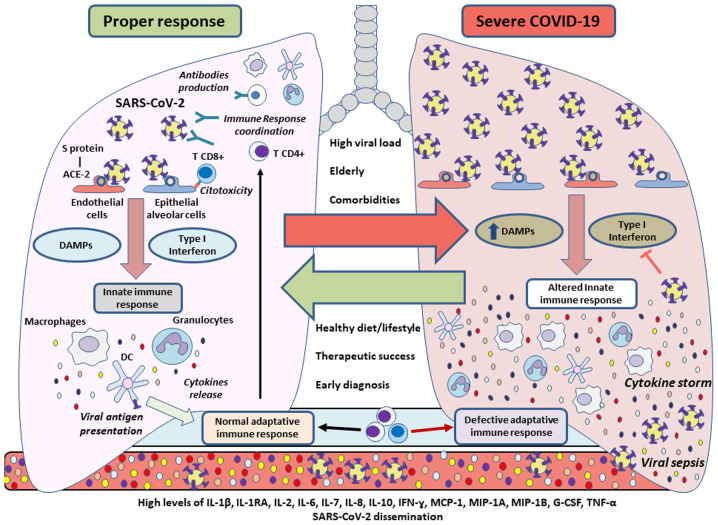
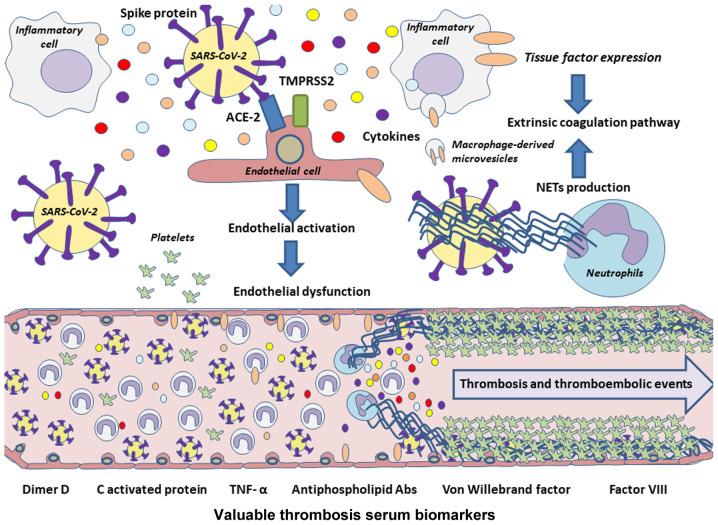
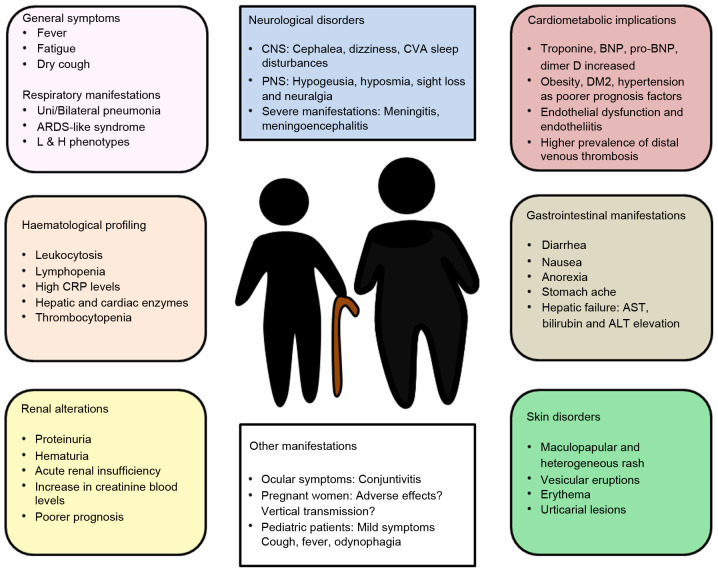
SARS‑CoV‑2 is a newly discovered member of the betacoronaviruses and the etiological agent of the disease COVID‑19. SARS‑CoV‑2 is responsible for the worldwide pandemic which has been taking place in 2020, and is causing a markedly higher number of infections and deaths compared to previous coronaviruses, such as SARS‑CoV or MERS‑CoV. Based on updated scientific literature, the present review compiles the most relevant knowledge of SARS‑CoV‑2, COVID‑19 and the clinical and typical responses that patients have exhibited against this virus, discussing current and future therapies, and proposing strategies with which to combat the disease and prevent a further global threat. The aggressiveness of SARS‑CoV‑2 arises from its capacity to infect, and spread easily and rapidly through its tight interaction with the human angiotensin‑converting enzyme 2 (ACE‑2) receptor. While not all patients respond in a similar manner and may even be asymptomatic, a wide range of manifestations associated with COVID‑19 have been described, particularly in vulnerable population groups, such as the elderly or individuals with other underlying conditions. The proper function of the immune system plays a key role in an individual's favorable response to SARS‑CoV‑2 infection. A hyperactivated response, on the contrary, could account for the more severe cases of COVID‑19, and this may finally lead to respiratory insufficiency and other complications, such as thrombotic or thromboembolic events. The development of novel therapies and vaccines designed to control and regulate a proper immune system response will be key to clinical management, prevention measures and effective population screening to attenuate the transmission of this novel RNA virus.
SARS-CoV-2 是一种新发现的β冠状病毒,也是 COVID-19 疾病的病原体。SARS-CoV-2 导致了 2020 年全球大流行,并导致比以前的冠状病毒(如 SARS-CoV 或 MERS-CoV)感染和死亡人数明显增加。基于最新的科学文献,本综述汇集了 SARS-CoV-2、COVID-19 以及患者对该病毒表现出的临床和典型反应的最相关知识,讨论了当前和未来的治疗方法,并提出了对抗疾病和预防进一步全球威胁的策略。SARS-CoV-2 的攻击性源于其感染和传播的能力,以及其与人类血管紧张素转换酶 2(ACE-2)受体的紧密相互作用,使它能够轻松且快速地传播。虽然并非所有患者都以类似的方式做出反应,甚至可能无症状,但已经描述了与 COVID-19 相关的广泛表现,特别是在脆弱人群中,如老年人或有其他潜在疾病的人。免疫系统的正常功能在个体对 SARS-CoV-2 感染的有利反应中起着关键作用。相反,过度激活的反应可能是 COVID-19 更严重病例的原因,这最终可能导致呼吸功能不全和其他并发症,如血栓或血栓栓塞事件。开发旨在控制和调节适当免疫系统反应的新型治疗方法和疫苗将是临床管理、预防措施和有效人群筛查的关键,以减轻这种新型 RNA 病毒的传播。