Coluccia Benedetta, Agnusdei Giulio Paolo, Miglietta Pier Paolo, De Leo Federica
Dipartimento di Scienze Dell'Economia, Università Del Salento, Via per Monteroni, Italia, Lecce, 73100, Italy.
Dipartimento di Ingegneria Dell'Innovazione, Università Del Salento, Via per Monteroni, Italia, Lecce, 73100, Italy.
Food Control. 2021 May;123:107839. doi: 10.1016/j.foodcont.2020.107839. Epub 2021 Jan 1.
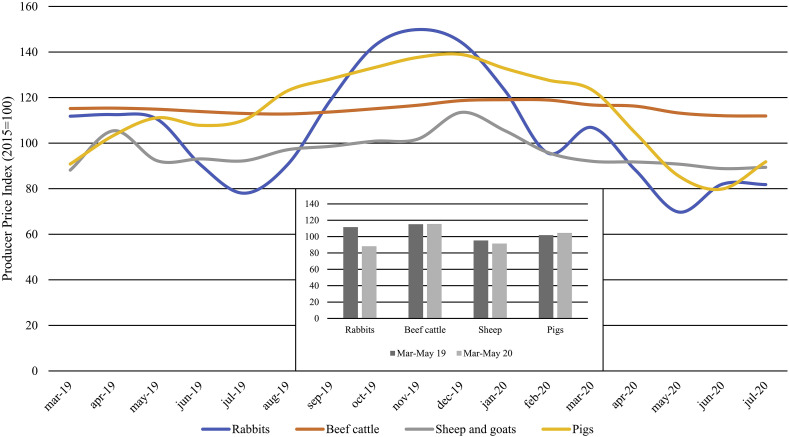
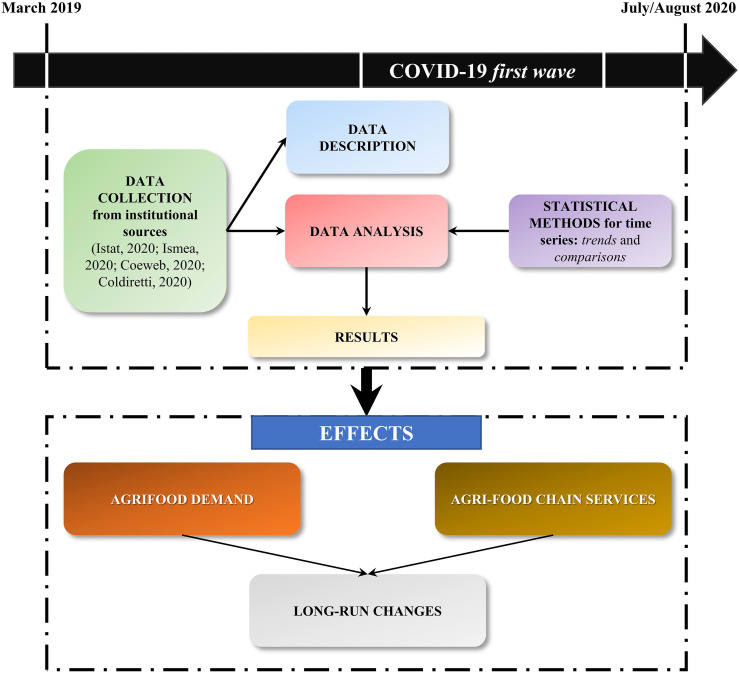
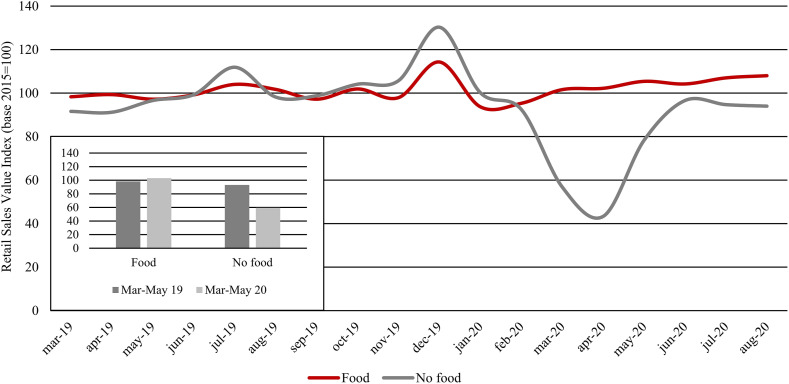
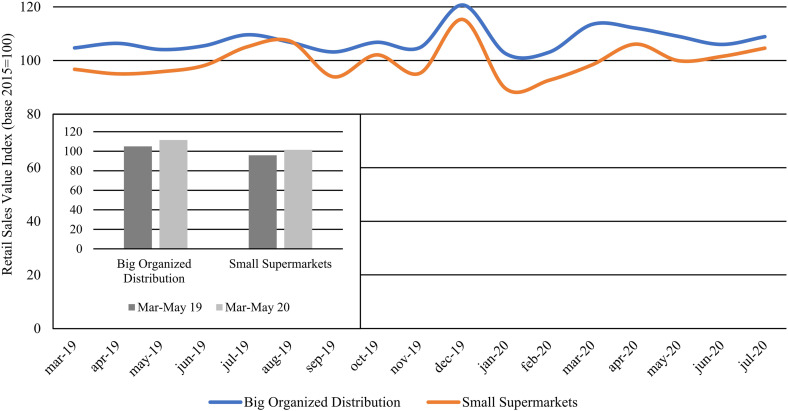
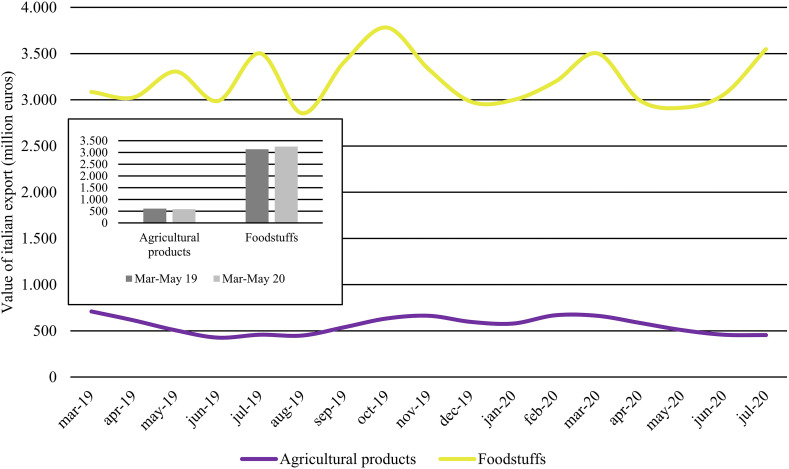
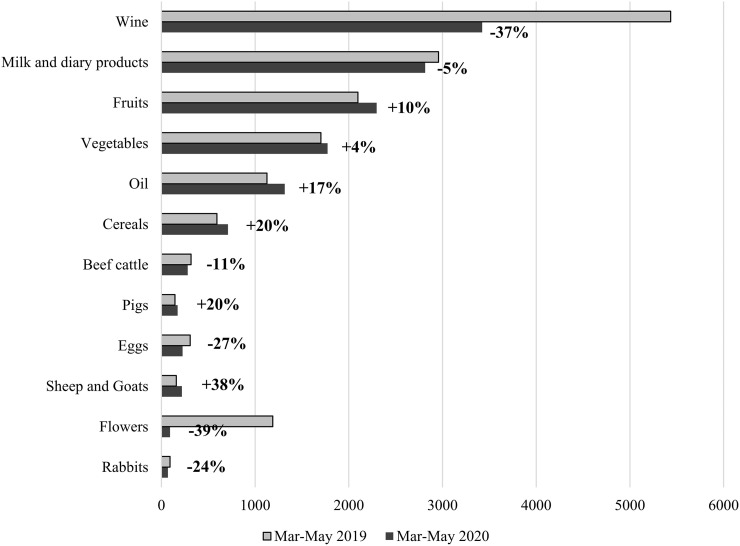
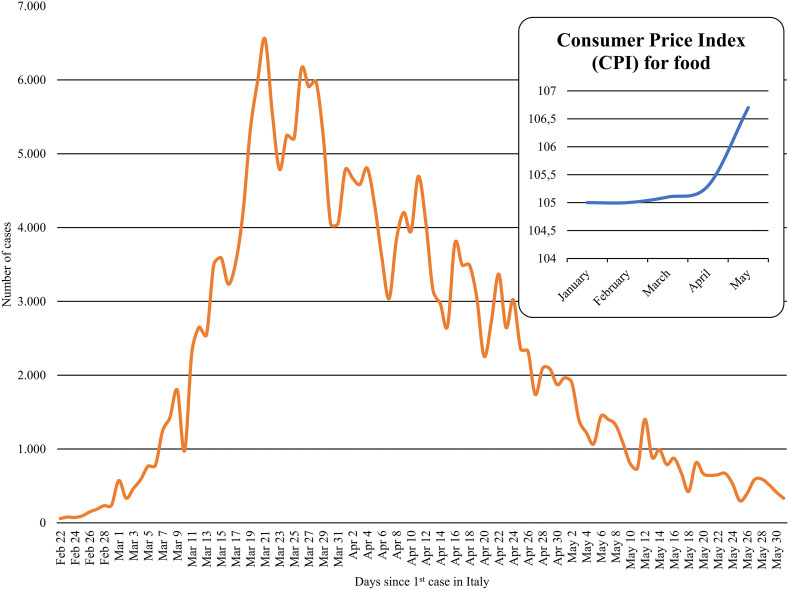
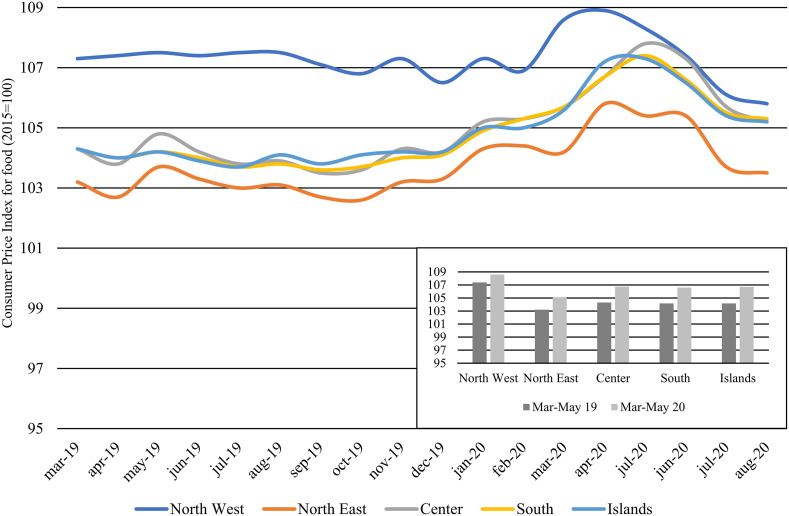
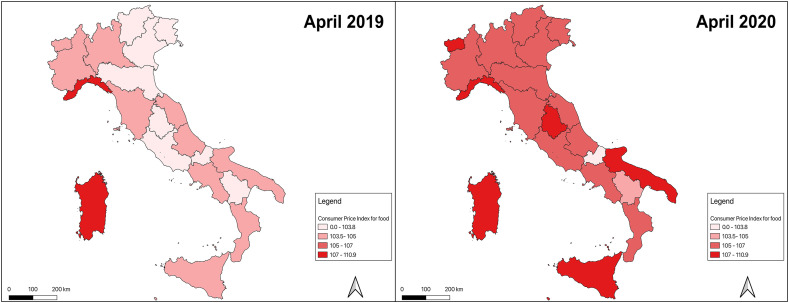
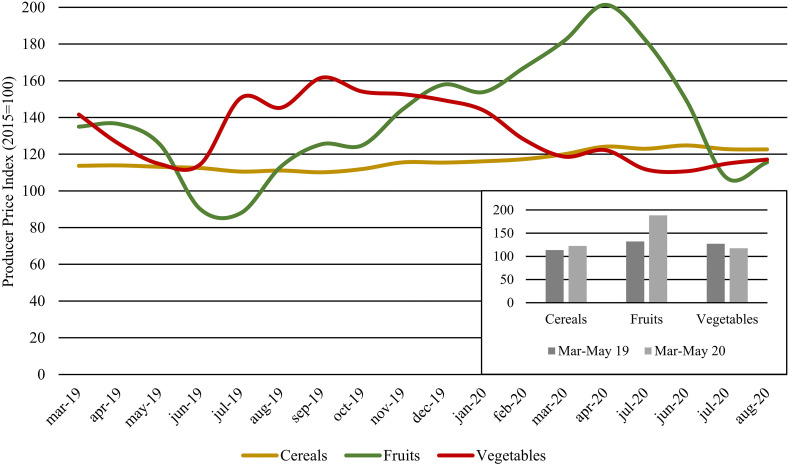
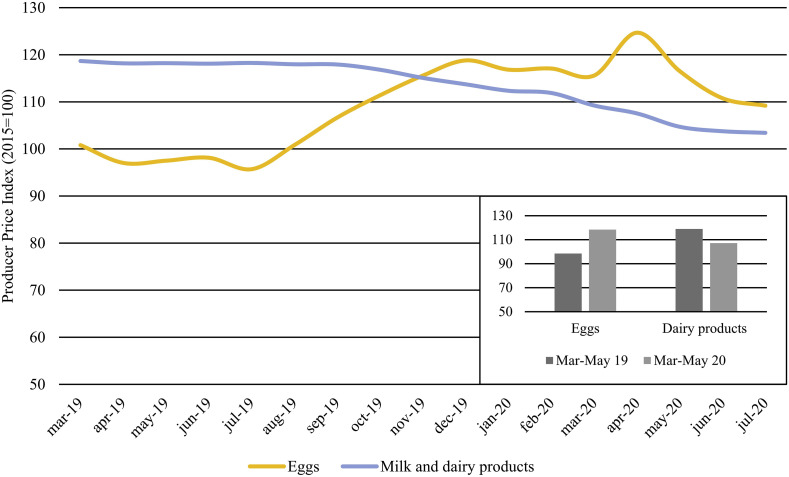
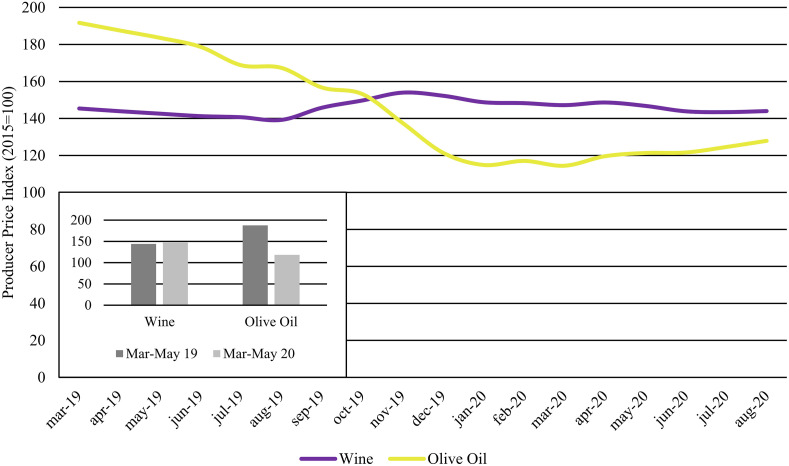
The spread of COVID-19 has not only led to many deaths but also to social and economic downturn globally. The study represents an exhaustive compilation of relevant macroeconomic data regarding the status of the agri-food sector from a demand side perspective and an overview of the food product producer and consumer prices after the shock. Its main purpose is to assess the resilience level of the agri-food sector to the coronavirus pandemic, analyzing its effect on commodity prices and focusing on the supply and value chain. The results highlight that fresh and perishable products, whose production or harvest took place during the first wave of COVID-19, have suffered price level effects, while storable products have not registered significant impacts. This phenomenon is mainly due to the vulnerability of the harvest and production phases, which affected fresh and perishable products supply, and to the resilience of transports and logistics, which instead ensured the supply of storable products to the final consumer. Especially in case of future pandemic waves, the implications and information deriving from the present analysis could support researchers, policy makers and managers, serving as an assessment tool to build suitable strategies for the whole agri-food supply chain and thus ensure sector resilience during these unprecedented times.
新冠疫情的蔓延不仅导致众多人死亡,还在全球范围内引发了社会和经济衰退。这项研究全面收集了从需求侧角度来看农业食品部门状况的相关宏观经济数据,并概述了冲击后食品生产商和消费者价格的情况。其主要目的是评估农业食品部门对新冠疫情的抵御能力,分析疫情对商品价格的影响,并聚焦于供应链和价值链。结果表明,在新冠疫情第一波期间生产或收获的新鲜易腐产品受到了价格水平的影响,而耐储存产品则未受到显著冲击。这一现象主要是由于收获和生产阶段的脆弱性影响了新鲜易腐产品的供应,以及运输和物流的韧性确保了耐储存产品向最终消费者的供应。特别是在未来出现疫情浪潮的情况下,本次分析得出的影响和信息可为研究人员、政策制定者和管理人员提供支持,作为一种评估工具,用以制定适用于整个农业食品供应链的策略,从而在这些前所未有的时期确保该部门的韧性。