Telomeres and Telomerase Group, Molecular Oncology Program, Spanish National Cancer Centre (CNIO), Melchor Fernández Almagro 3, Madrid, Spain.
Field Hospital COVID-19, IFEMA, Madrid, Spain.
Aging (Albany NY). 2021 Jan 11;13(1):1-15. doi: 10.18632/aging.202463.
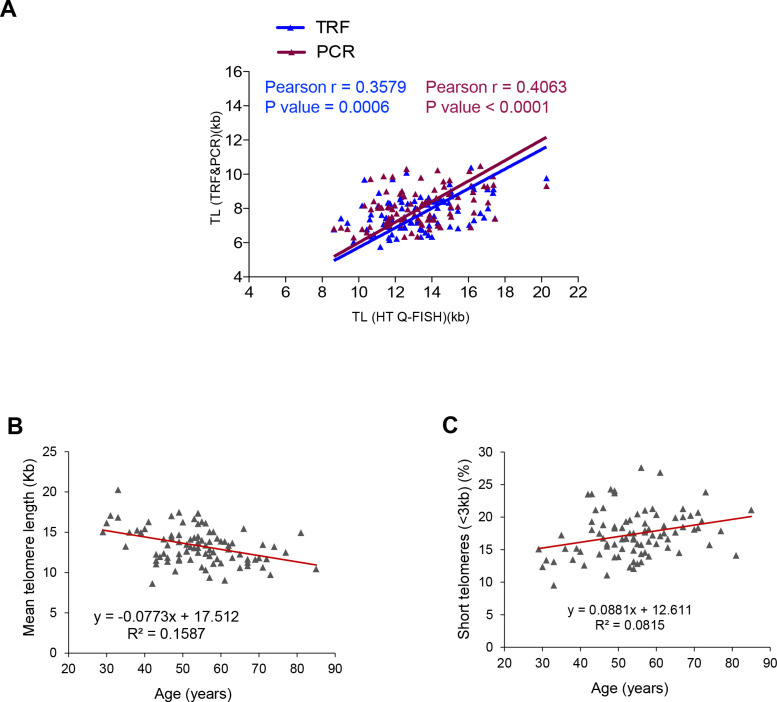
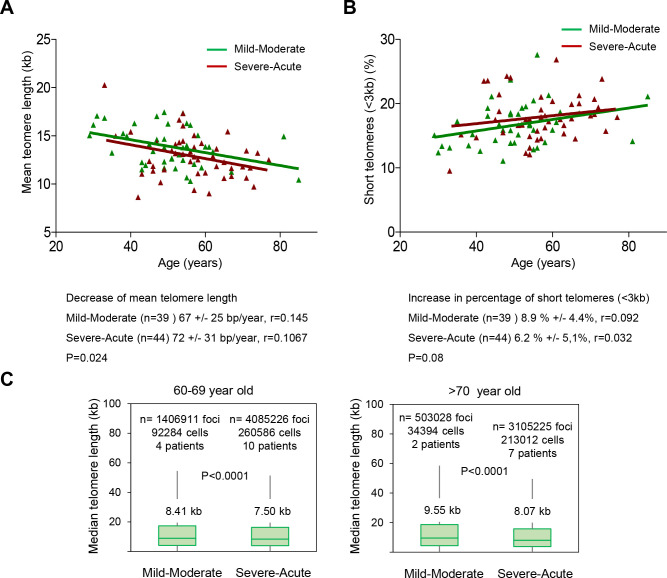
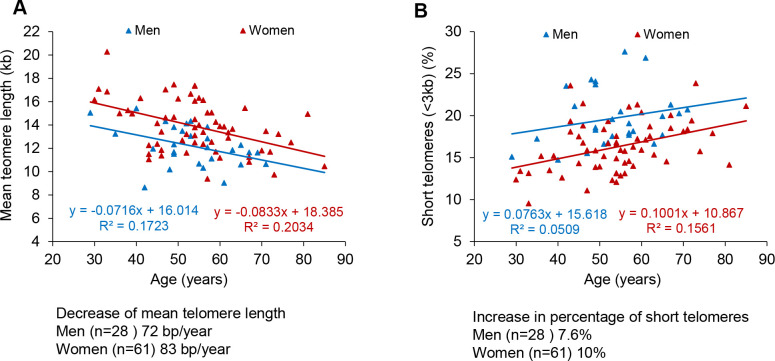
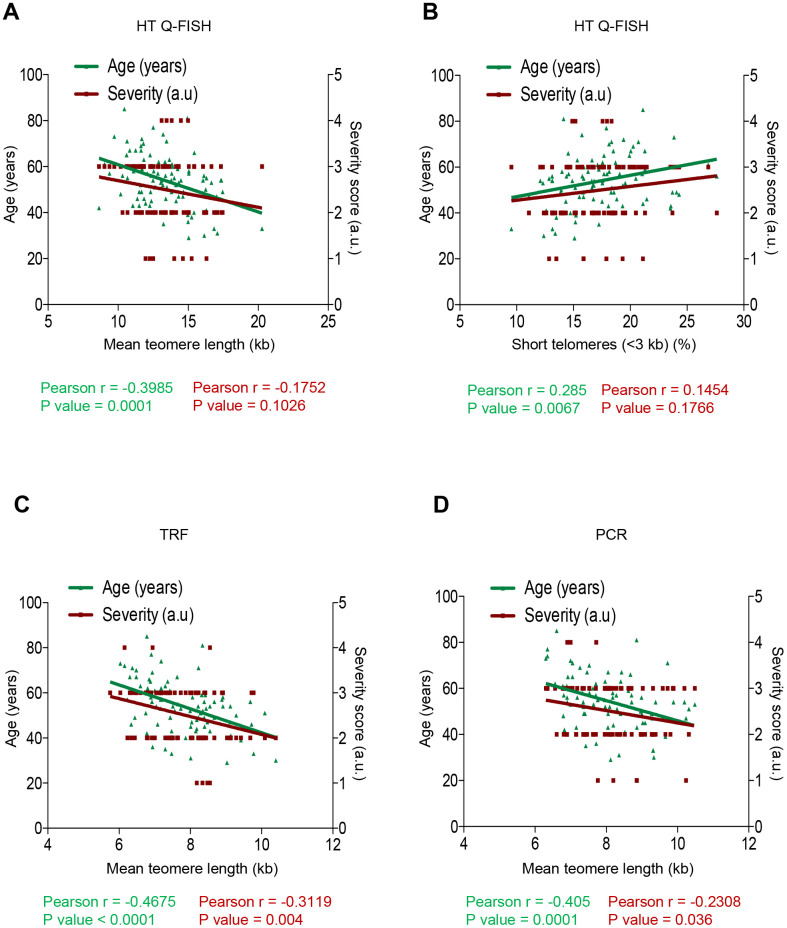
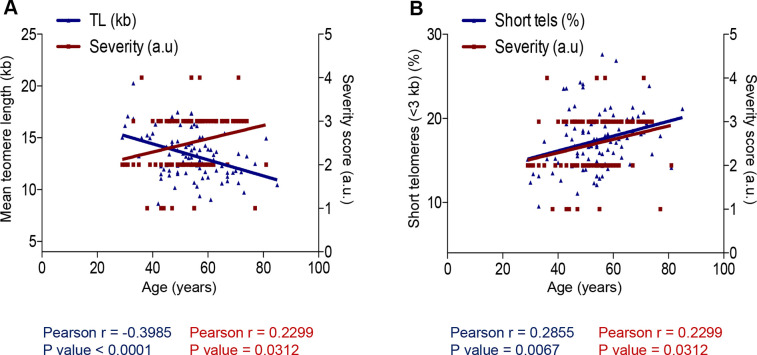
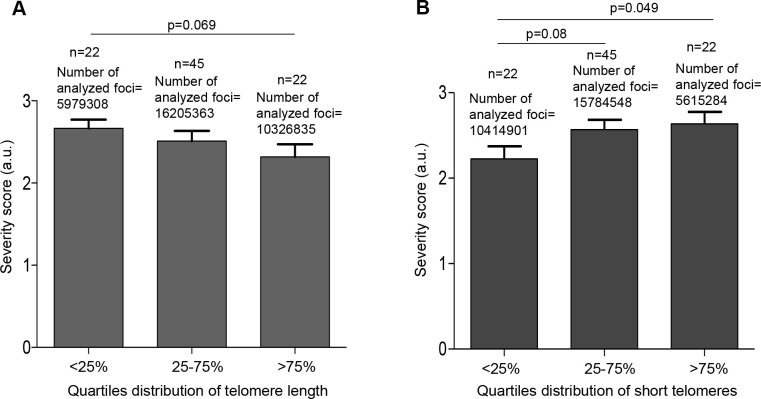
The incidence of severe manifestations of COVID-19 increases with age with older patients showing the highest mortality, suggesting that molecular pathways underlying aging contribute to the severity of COVID-19. One mechanism of aging is the progressive shortening of telomeres, which are protective structures at chromosome ends. Critically short telomeres impair the regenerative capacity of tissues and trigger loss of tissue homeostasis and disease. The SARS-CoV-2 virus infects many different cell types, forcing cell turn-over and regeneration to maintain tissue homeostasis. We hypothesize that presence of short telomeres in older patients limits the tissue response to SARS-CoV-2 infection. We measure telomere length in peripheral blood lymphocytes COVID-19 patients with ages between 29 and 85 years-old. We find that shorter telomeres are associated to increased severity of the disease. Individuals within the lower percentiles of telomere length and higher percentiles of short telomeres have higher risk of developing severe COVID-19 pathologies.
COVID-19 严重症状的发病率随年龄增长而增加,老年患者的死亡率最高,这表明衰老的分子途径导致 COVID-19 的严重程度增加。衰老的一个机制是端粒的逐渐缩短,端粒是染色体末端的保护结构。端粒严重缩短会损害组织的再生能力,并引发组织平衡丧失和疾病。SARS-CoV-2 病毒感染许多不同的细胞类型,迫使细胞更替和再生以维持组织平衡。我们假设老年患者端粒较短会限制组织对 SARS-CoV-2 感染的反应。我们测量了年龄在 29 至 85 岁之间的 COVID-19 患者外周血淋巴细胞中端粒的长度。我们发现端粒较短与疾病严重程度增加有关。端粒长度较低百分位数和短端粒较高百分位数的个体发生严重 COVID-19 病理的风险更高。