Department of Dermatology, The Affiliated Wuxi No. 2 People's Hospital of Nanjing Medical University, Wuxi, 214000, Jiangsu, China.
Department of Neurobiology, Nanjing Medical University, Nanjing, 211166, Jiangsu, China.
J Nanobiotechnology. 2021 Jan 11;19(1):20. doi: 10.1186/s12951-020-00757-5.
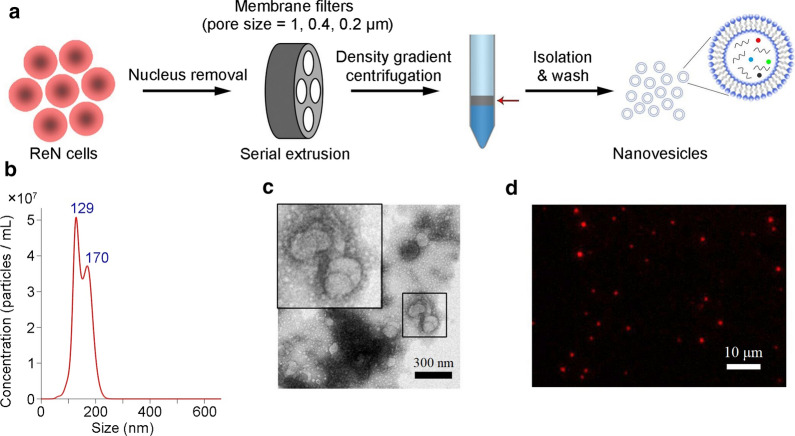
Accumulating evidence shows that mesenchymal stem cell-derived extracellular vesicles (EVs) hold great promise to promote hair growth. However, large-scale production of EVs is still a challenge. Recently, exosome-mimetic nanovesicles (NV) prepared by extruding cells have emerged as an alternative strategy for clinical-scale production. Here, ReNcell VM (ReN) cells, a neural progenitor cell line was serially extruded to produce NV.
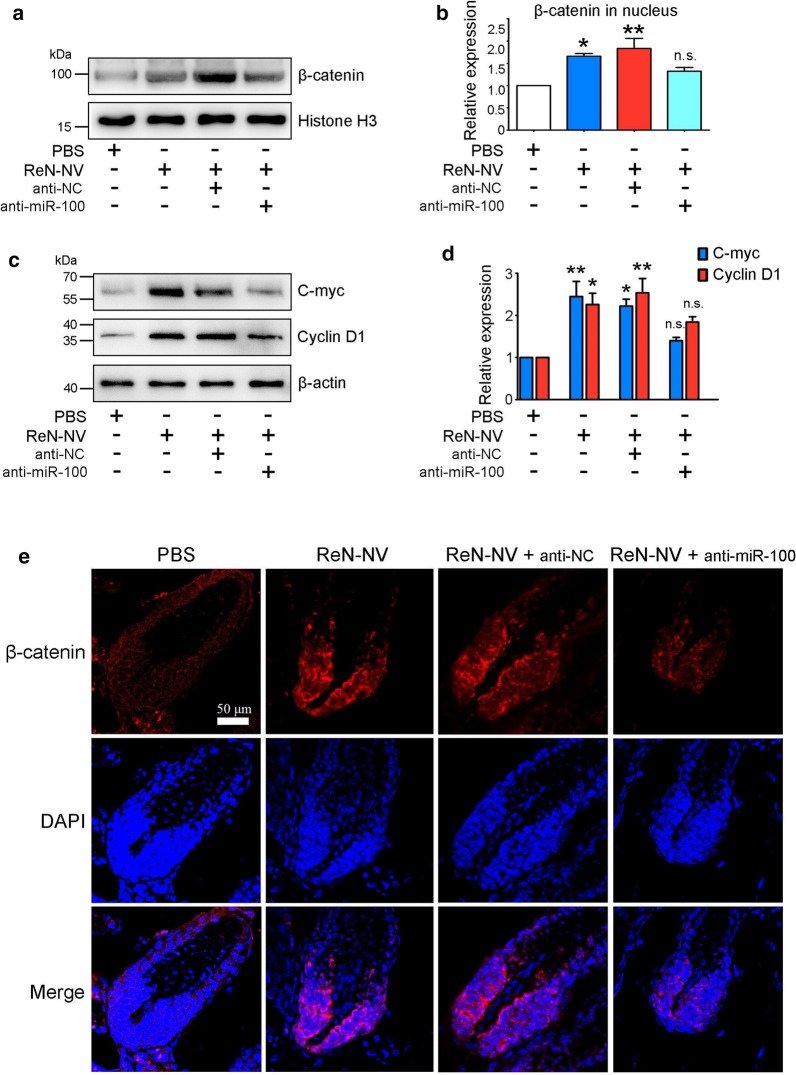
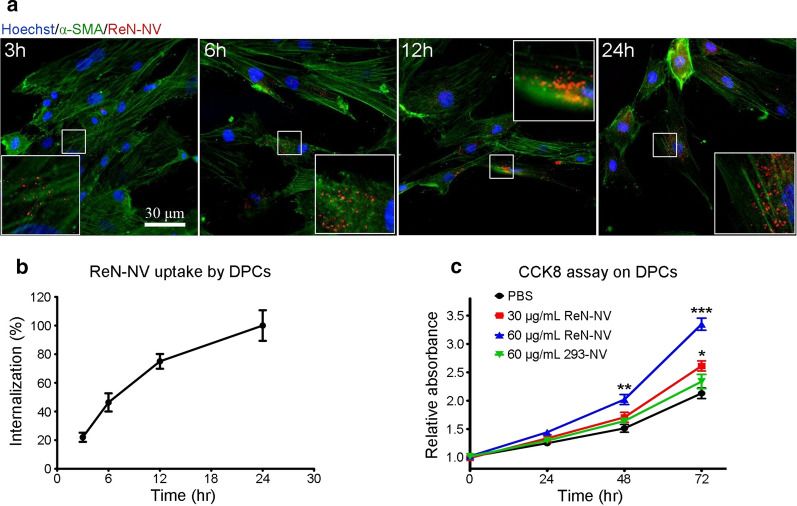
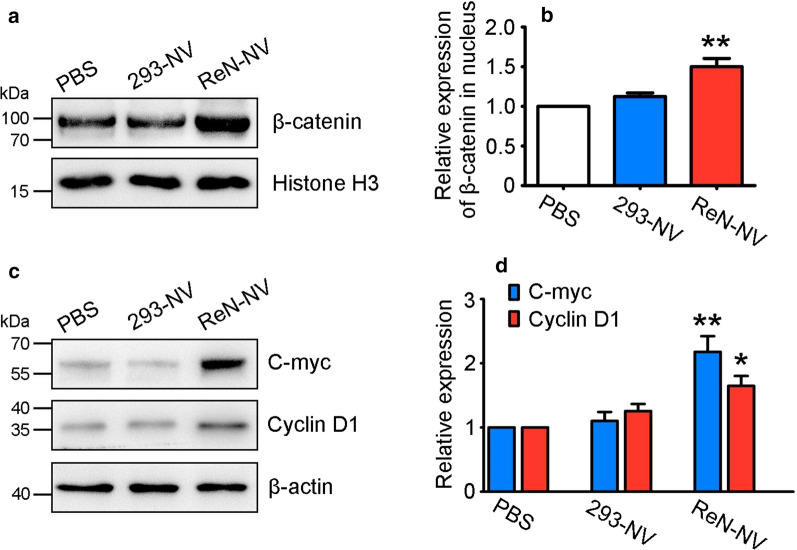
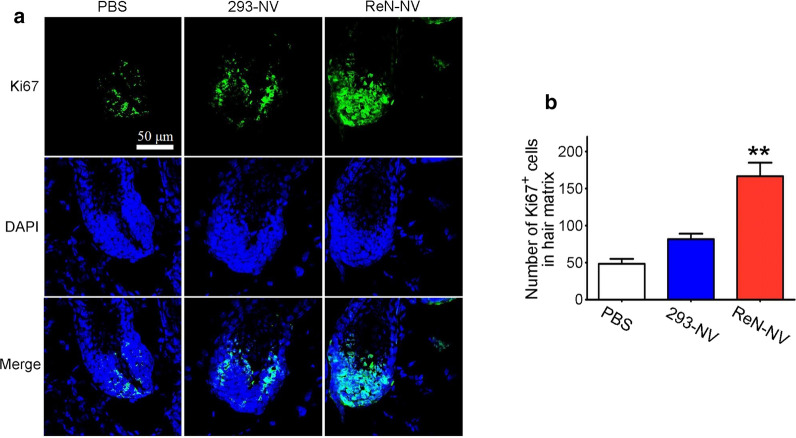
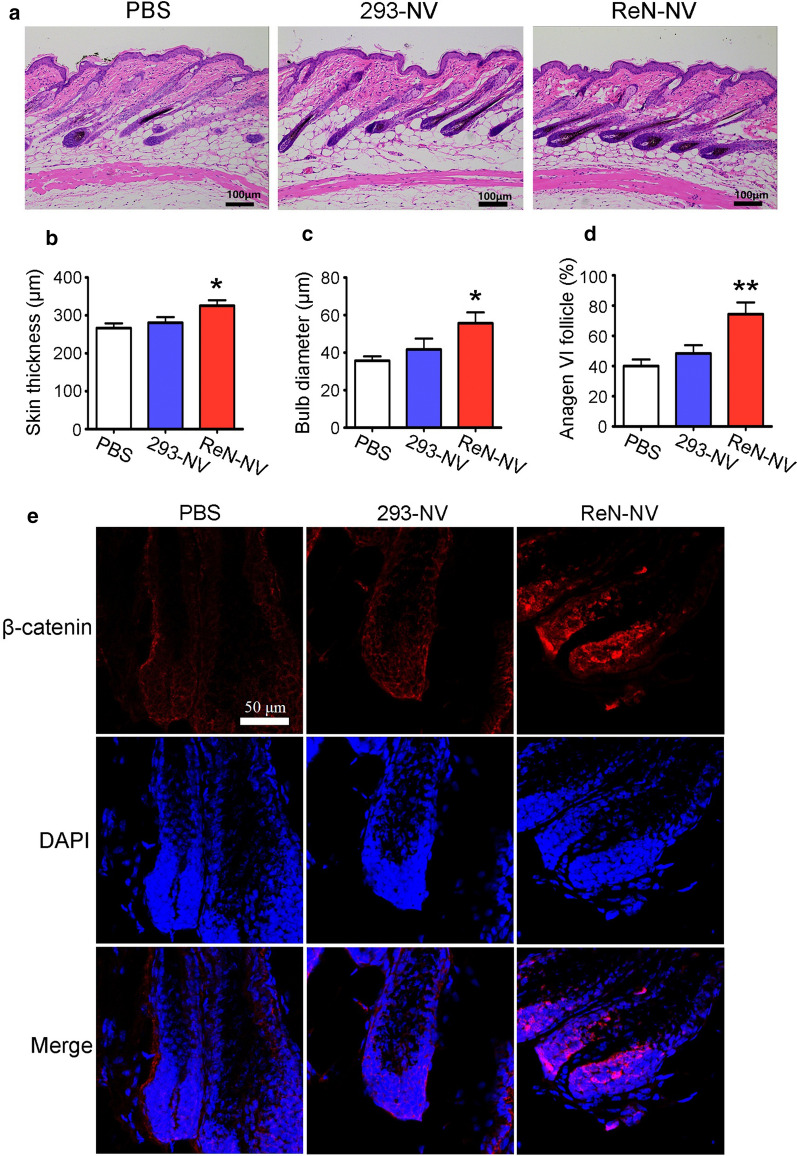
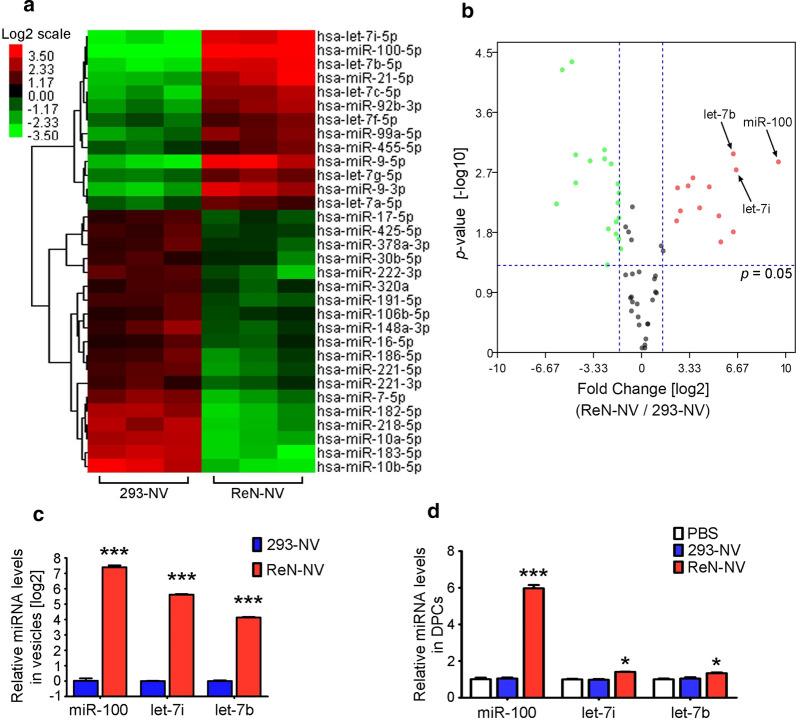
ReN-NV were found to promote dermal papilla cell (DPC) proliferation. In addition, in a mouse model of depilation-induced hair regeneration, ReN-NV were injected subcutaneously, resulting in an acceleration of hair follicle (HF) cycling transition at the site. The underlying mechanism was indicated to be the activation of Wnt/β-catenin signaling pathway. Furthermore, miR-100 was revealed to be abundant in ReN-NV and significantly up-regulated in DPCs receiving ReN-NV treatment. miR-100 inhibition verified its important role in ReN-NV-induced β-catenin signaling activation.
These results provide an alternative agent to EVs and suggest a strategy for hair growth therapy.
越来越多的证据表明,间充质干细胞衍生的细胞外囊泡(EVs)在促进头发生长方面具有巨大的应用前景。然而,大规模生产 EVs 仍然是一个挑战。最近,通过挤压细胞制备的类外泌体纳米囊泡(NV)作为一种临床规模生产的替代策略而出现。在这里,神经祖细胞系 ReNcell VM(ReN)细胞被连续挤压以产生 NV。
发现 ReN-NV 可促进真皮乳头细胞(DPC)的增殖。此外,在脱毛诱导的毛发生长小鼠模型中,将 ReN-NV 皮下注射到模型中,导致该部位毛囊(HF)周期转换加速。其潜在机制表明是 Wnt/β-catenin 信号通路的激活。此外,ReN-NV 中富含 miR-100,并且在接受 ReN-NV 处理的 DPCs 中显著上调。miR-100 抑制验证了其在 ReN-NV 诱导的β-catenin 信号激活中的重要作用。
这些结果为 EVs 提供了替代物,并为毛发生长治疗提出了一种策略。