Cadegiani Flavio A, Zimerman Ricardo A, Campello de Souza Bruno, McCoy John, Pereira E Costa Rute Alves, Gustavo Wambier Carlos, Goren Andy
Diabetes and Endocrinology, Corpometria Institute, Brasilia, BRA.
Department of Clinical Endocrinology, Federal University of São Paulo, São Paulo, BRA.
Cureus. 2021 Jan 7;13(1):e12565. doi: 10.7759/cureus.12565.
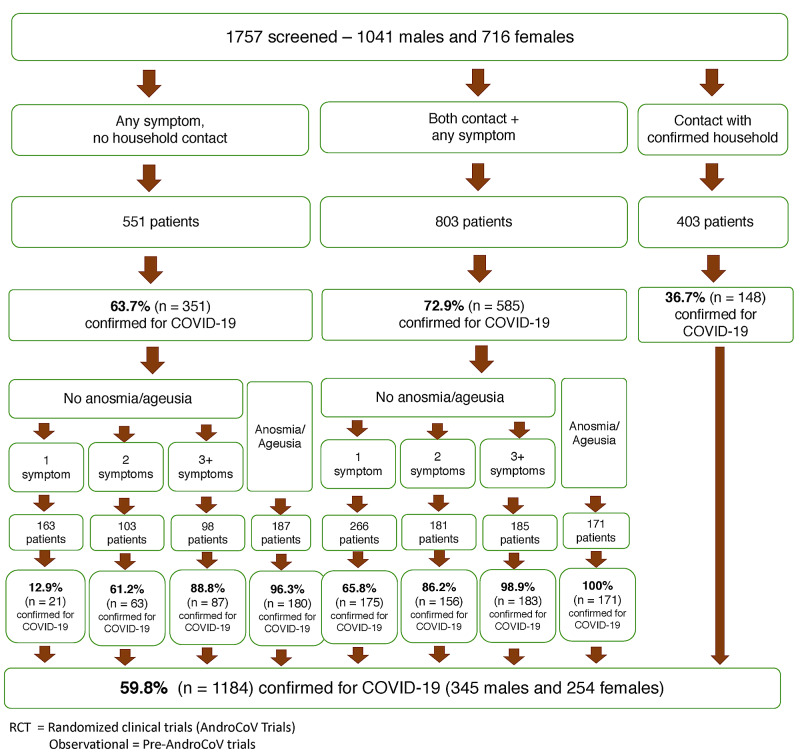
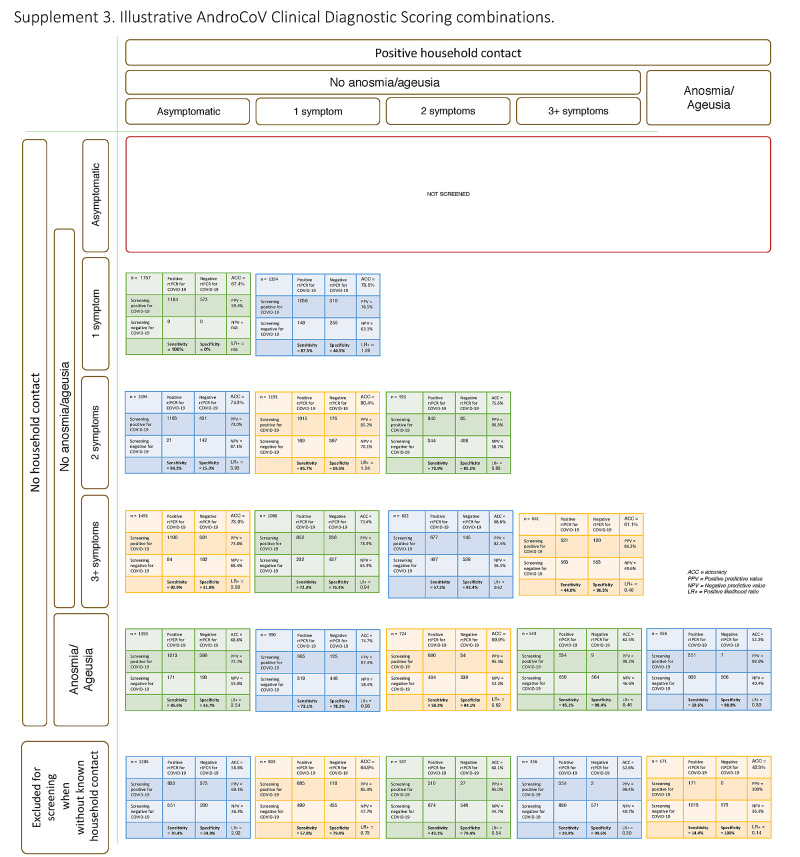
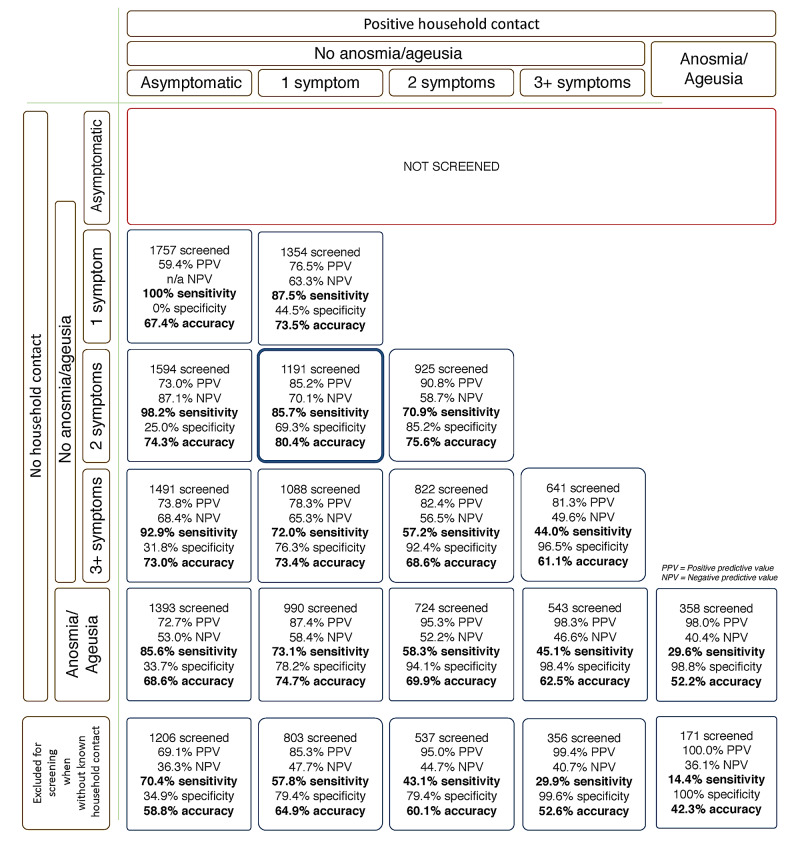
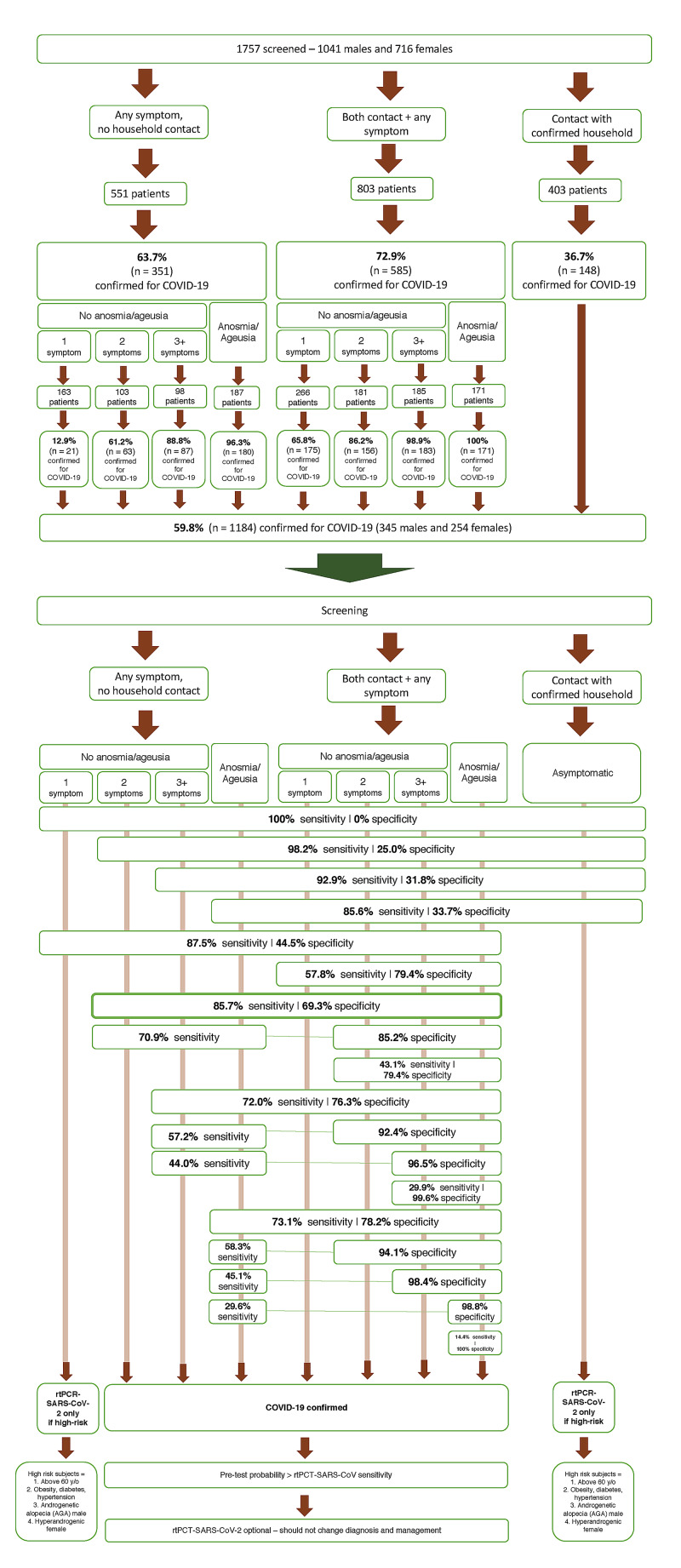
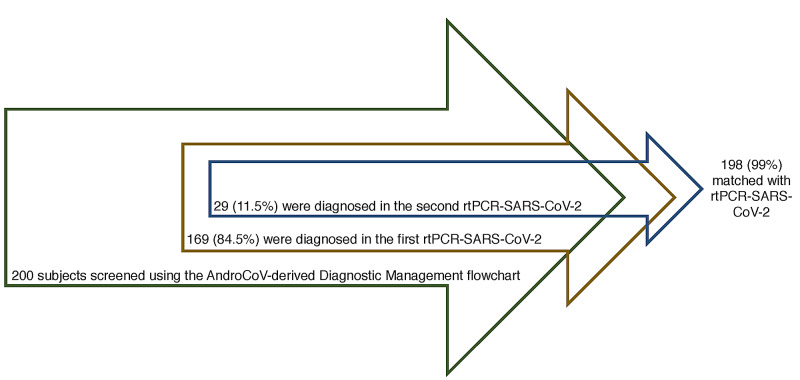
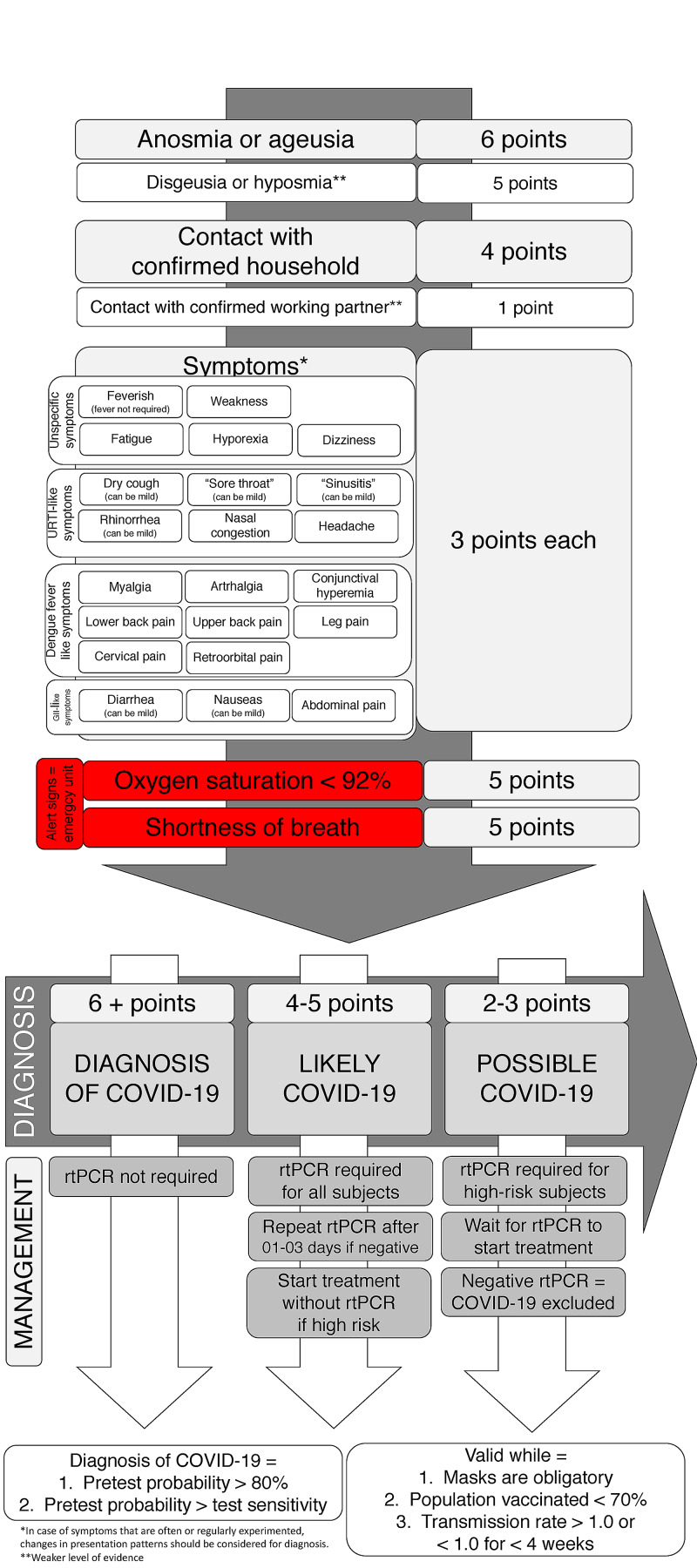
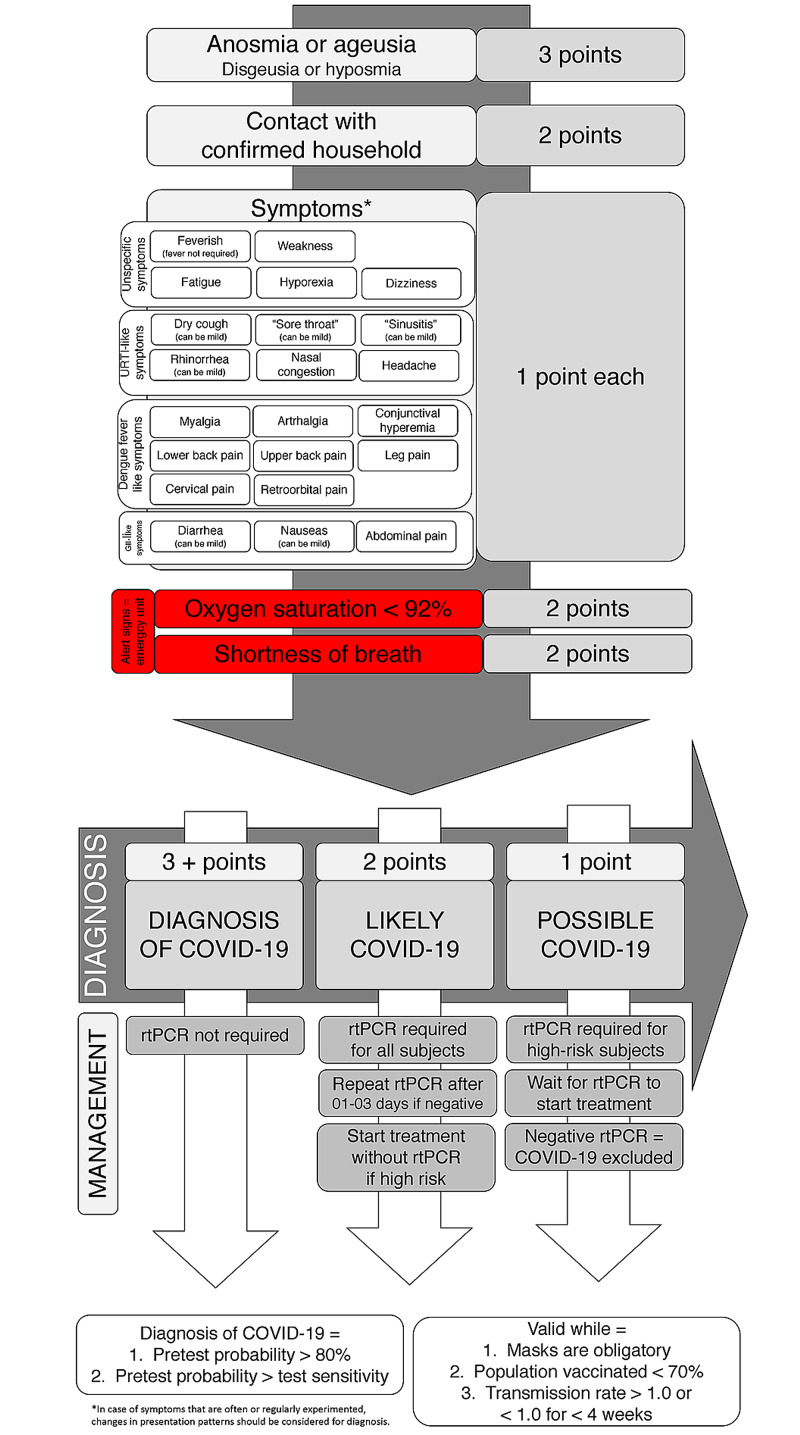
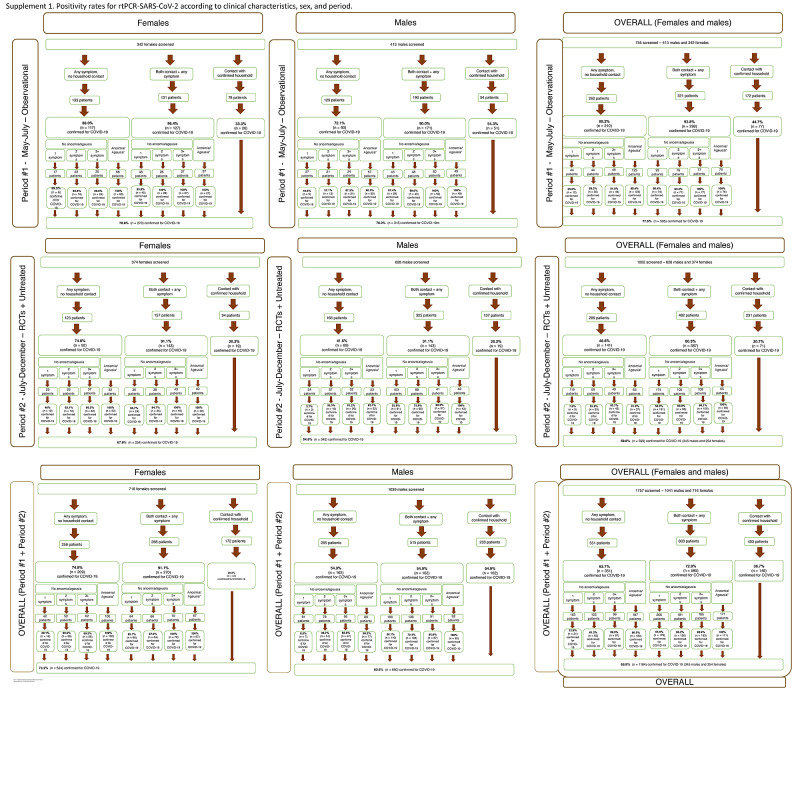
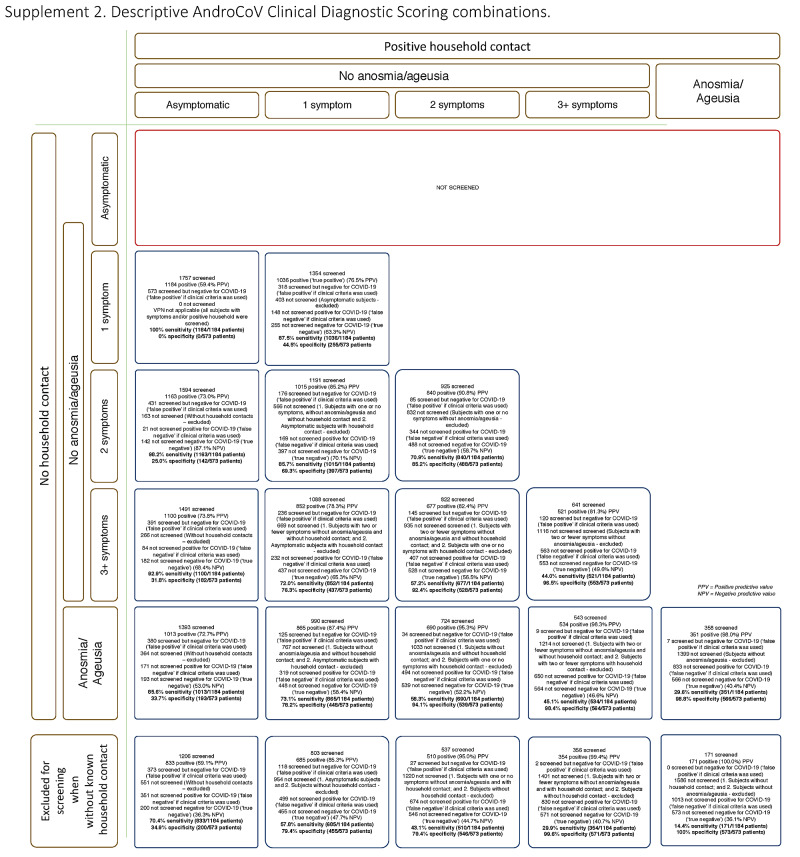
Introduction A major barrier for successful therapeutic approaches for COVID-19 is the inability to diagnose COVID-19 during the viral replication stage, when drugs with potential antiviral activity could demonstrate efficacy and preclude progression to more severe stages. Reasons that hamper an earlier diagnosis of COVID-19 include the unspecific and mild symptoms during the first stage, the delay in the diagnosis and specific management caused by the requirement of a real-time reverse transcriptase-polymerase chain reaction (RT-PCR) for SARS-CoV-2 for the diagnosis of COVID-19, and the insufficient sensitivity of the RT-PCR-SARS-CoV-2, converse to what is recommended for a screening test during an outbreak. More sensitive and earlier diagnostic tools for COVID-19 should be unraveled as a key strategy for a breakthrough change in the disease course and response to specific therapies, particularly those that target the blockage of viral shedding. We aimed to create an accurate, sensitive, easy-to-perform, and intuitive clinical scoring for the diagnosis of COVID-19 without the need for an RT-PCR-SARS-CoV-2 (termed The AndroCoV Clinical Scoring for COVID-19 Diagnosis), resulting from a 1,757 population cohort, to eventually encourage the management of patients with a high pre-clinical likelihood of presenting COVID-19, independent of an RT-PCR-SARS-COV-2 test, to avoid delays and loss of appropriate timing for potential therapies. Methods This is a post-hoc analysis of clinical data prospectively collected of the Pre-AndroCoV and AndroCov Trials, which resulted in scorings for the clinical diagnosis of COVID-19 based on the likelihood of presenting with actual COVID-19 according to the number of symptoms, presence of anosmia, and known positive household contact. Sensitivity, specificity, positive predictive value, negative predictive value, positive likelihood ratio, and accuracy were calculated for subjects screened in two different periods and both periods together, for females, males, and both, in a total of nine different scenarios, according to combinations of one, two, or three or more symptoms or the presence of anosmia in subjects without known positive household contacts, and no symptoms, one, two, or three or more symptoms, or presence of anosmia or ageusia in subjects with known positive household contacts. Scorings that yielded the highest pre-test probability, sensitivity, and accuracy were selected. Results Of the 1,757 patients screened, 1,284 were diagnosed with COVID-19. The scoring that required: (1) two or more symptoms, or anosmia or ageusia alone, for subjects without known contact; or (2) one or more symptoms, including anosmia or ageusia alone, when with known positive contacts presented the highest accuracy (80.4%) among all combinations attempted, and higher sensitivity (85.7%) than RT-PCR-SARS-CoV-2 commercially available kit tests. Conclusion The AndroCoV clinical scoring for COVID-19 diagnosis was demonstrated to be a feasible, easy, costless, and sensitive diagnostic tool for the clinical diagnosis of COVID-19. Because the clinical diagnosis of COVID-19 avoids delays in specific treatments, particularly for high-risk populations, prevents false-negative diagnosis, and reduces diagnostic costs, this diagnostic tool should be considered as an option for COVID-19 diagnosis, at least while SARS-CoV-2 is the prevailing circulating virus and vaccination rate is below the required for herd immunity.
引言
对于COVID-19成功的治疗方法而言,一个主要障碍是在病毒复制阶段无法诊断出COVID-19,而在这个阶段,具有潜在抗病毒活性的药物可能会显示出疗效,并防止病情发展到更严重的阶段。妨碍早期诊断COVID-19的原因包括:第一阶段症状不具特异性且轻微;由于诊断COVID-19需要对严重急性呼吸综合征冠状病毒2(SARS-CoV-2)进行实时逆转录聚合酶链反应(RT-PCR),导致诊断和具体管理出现延迟;以及RT-PCR检测SARS-CoV-2的灵敏度不足,这与疫情期间筛查测试的要求相悖。应探索更敏感、更早的COVID-19诊断工具,作为改变疾病进程和应对特定疗法(尤其是针对阻止病毒传播的疗法)的关键策略。我们旨在创建一种准确、敏感、易于操作且直观的临床评分系统,用于在无需进行SARS-CoV-2 RT-PCR检测的情况下诊断COVID-19(称为用于COVID-19诊断的AndroCoV临床评分系统),该评分系统来自1757人的队列研究,最终鼓励对临床前期感染COVID-19可能性高的患者进行管理,而无需依赖SARS-CoV-2 RT-PCR检测,以避免延误以及错过潜在治疗的最佳时机。
方法
这是对Pre-AndroCoV和AndroCov试验前瞻性收集的临床数据进行的事后分析,根据症状数量、是否存在嗅觉丧失以及已知的家庭密切接触史,得出基于实际感染COVID-19可能性的COVID-19临床诊断评分。根据无已知家庭密切接触史的受试者出现一种、两种或三种及以上症状或嗅觉丧失的组合,以及有已知家庭密切接触史的受试者无症状、出现一种、两种或三种及以上症状、嗅觉丧失或味觉丧失的组合,计算在两个不同时期以及两个时期合并筛查的受试者、女性、男性以及所有受试者在总共九种不同情况下的灵敏度、特异性、阳性预测值、阴性预测值、阳性似然比和准确性。选择产生最高检测前概率、灵敏度和准确性的评分。
结果
在筛查的1757名患者中,1284人被诊断为COVID-19。该评分系统要求:(1)对于无已知接触史的受试者,出现两种或更多症状,或单独出现嗅觉丧失或味觉丧失;(2)对于有已知阳性接触史的受试者,出现一种或更多症状,包括单独出现嗅觉丧失或味觉丧失,在所有尝试的组合中,该评分系统具有最高的准确性(80.4%),且灵敏度(85.7%)高于市售的SARS-CoV-2 RT-PCR试剂盒检测。
结论
用于COVID-19诊断的AndroCoV临床评分系统被证明是一种可行、简便、低成本且敏感的COVID-19临床诊断工具。由于COVID-19的临床诊断可避免特定治疗的延误,特别是对高危人群而言,可防止假阴性诊断并降低诊断成本,因此该诊断工具应被视为COVID-19诊断的一种选择,至少在SARS-CoV-2为主要流行病毒且疫苗接种率低于群体免疫所需水平时如此。