Suzuki Katsuhiko, Hayashida Harumi
Faculty of Sport Sciences, Waseda University, 2-579-15 Mikajima, Tokorozawa 359-1192, Japan.
Faculty of Culture and Sport Policy, Toin University of Yokohama, 1614 Kurogane-cho, Aoba-ku, Yokohama 225-8503, Japan.
Sports (Basel). 2021 Jan 11;9(1):8. doi: 10.3390/sports9010008.
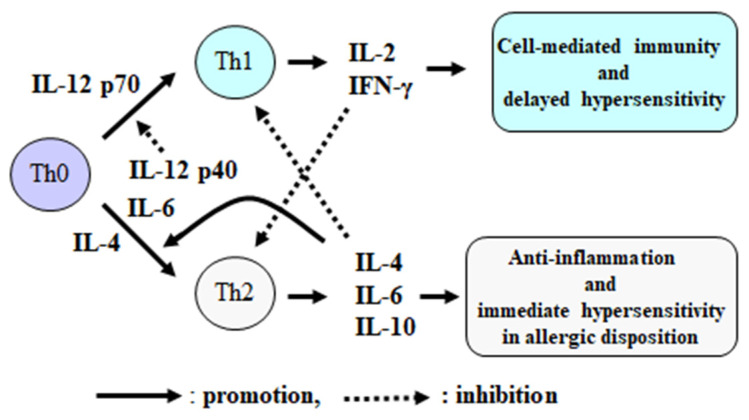
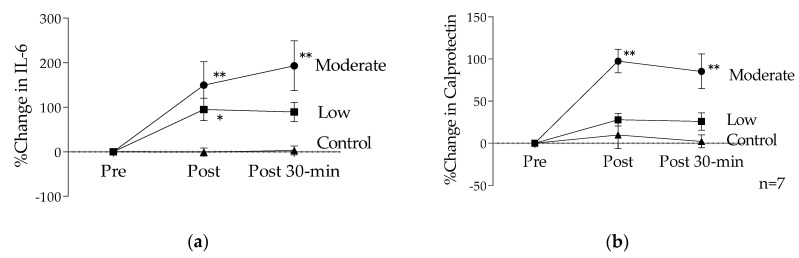
Moderate-intensity exercise is considered to enhance immune function and to be useful for preventing acute upper respiratory infections and similar conditions. Many people practice low-intensity short-duration exercise with the expectation of a beneficial effect on immunocompetency. However, it is difficult to affirm the existence of definite evidence of such a benefit. In this article, we discuss the effects of low-intensity short-duration exercise on cell-mediated immunity, and contrast them to the effects of high-intensity and long-duration exercise. Whereas high-intensity exercise induces inflammation and reduces cell-mediated immune system function, low-intensity exercise does not appear to have a large effect on either inflammation or cell-mediated immune function. Low-intensity exercises such as walking and yoga, which are helpful to relieve stress, cannot be considered as harmful to the immune system. Although yoga was shown to impose fewer restrictions on breathing and physical strain, the evidence that yoga enhances cell-mediated immunity remains insufficient. Therefore, further studies are needed to examine the exercise mode that may be most effective for improvement of immune functions.
中等强度运动被认为可以增强免疫功能,有助于预防急性上呼吸道感染及类似病症。许多人进行低强度、短时长的运动,期望对免疫能力产生有益影响。然而,很难确定存在这种益处的确凿证据。在本文中,我们讨论低强度、短时长运动对细胞介导免疫的影响,并将其与高强度、长时长运动的影响进行对比。高强度运动引发炎症并降低细胞介导免疫系统功能,而低强度运动似乎对炎症或细胞介导免疫功能均无太大影响。诸如散步和瑜伽等有助于缓解压力的低强度运动,不能被视为对免疫系统有害。尽管瑜伽对呼吸和身体劳损的限制较少,但瑜伽增强细胞介导免疫的证据仍然不足。因此,需要进一步研究以考察可能对改善免疫功能最有效的运动方式。