Cerqueira Érica, Marinho Daniel A, Neiva Henrique P, Lourenço Olga
FCS - UBI, Faculty of Health Sciences, University of Beira Interior, Covilha, Portugal.
Department of Sport Sciences, University of Beira Interior, Covilha, Portugal.
Front Physiol. 2020 Jan 9;10:1550. doi: 10.3389/fphys.2019.01550. eCollection 2019.
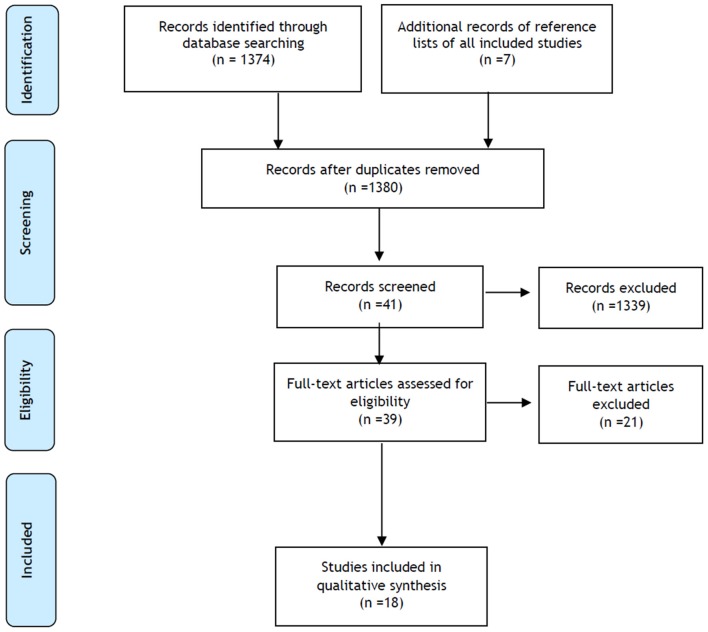
Exercise leads to a robust inflammatory response mainly characterized by the mobilization of leukocytes and an increase in circulating inflammatory mediators produced by immune cells and directly from the active muscle tissue. Both positive and negative effects on immune function and susceptibility to minor illness have been observed following different training protocols. While engaging in moderate activity may enhance immune function above sedentary levels, excessive amounts of prolonged, high-intensity exercise may impair immune function. Thus, the aim of the present review was to clarify the inflammatory effects in response to different exercise intensities. Search was performed on PubMed and was completed on July 31st, 2017. The studies were eligible if they met the predefined inclusion criteria: a) observational or interventional studies, b) conducted in healthy adults (18-65 years), c) written in Portuguese, English or Spanish, d) including moderate and/or intense exercise. Eighteen articles were included. The specific components that were examined included circulating blood levels of cytokines, leukocytes, creatine kinase (CK) and C-reactive protein (CRP). The methodological quality of the included studies was assessed. Most of the intervention studies showed changes in the assessed biomarkers, although these changes were not consistent. White blood cells (WBC) had an increase immediately after intensive exercise (> 64% VO), without alteration after moderate exercise (46-64% VO). The results suggested an elevation of the pro-inflammatory cytokines, namely IL-6, followed by an elevation of IL-10 that were more evident after intense exercise bouts. CRP increased both after intense and moderate exercise, with peak increases up to 28 h. CK increased only after intensive and long exercising. In summary, intense long exercise can lead, in general, to higher levels of inflammatory mediators, and thus might increase the risk of injury and chronic inflammation. In contrast, moderate exercise or vigorous exercise with appropriate resting periods can achieve maximum benefit.
运动可引发强烈的炎症反应,其主要特征为白细胞的动员以及免疫细胞和活跃肌肉组织直接产生的循环炎症介质增加。不同的训练方案对免疫功能和易患小病的影响既有积极的也有消极的。适度运动可能会使免疫功能增强至高于久坐水平,但过量的长时间高强度运动会损害免疫功能。因此,本综述的目的是阐明不同运动强度所引发的炎症效应。检索在PubMed上进行,并于2017年7月31日完成。符合以下预定义纳入标准的研究即为合格:a)观察性或干预性研究;b)在健康成年人(18 - 65岁)中进行;c)用葡萄牙语、英语或西班牙语撰写;d)包括适度和/或剧烈运动。共纳入18篇文章。所检测的具体成分包括细胞因子、白细胞、肌酸激酶(CK)和C反应蛋白(CRP)的循环血液水平。对纳入研究的方法学质量进行了评估。大多数干预性研究显示所评估的生物标志物有变化,尽管这些变化并不一致。剧烈运动(>64%最大摄氧量)后白细胞(WBC)立即增加,适度运动(46 - 64%最大摄氧量)后则无变化。结果表明促炎细胞因子即白细胞介素 - 6升高,随后白细胞介素 - 10升高,在剧烈运动后更为明显。剧烈运动和适度运动后C反应蛋白均升高,峰值增加可持续至28小时。肌酸激酶仅在剧烈且长时间运动后升高。总之,一般而言,剧烈的长时间运动可导致更高水平的炎症介质,从而可能增加受伤和慢性炎症的风险。相比之下,适度运动或有适当休息时间的剧烈运动可实现最大益处。