Hebei Key Laboratory of Animal Physiology, Biochemistry and Molecular Biology, College of Life Sciences, Hebei Normal University, Shijiazhuang, 050024, Hebei, People's Republic of China.
The Fourth Hospital of Hebei Medical University, Shijiazhuang, 050011, Hebei, People's Republic of China.
Parasit Vectors. 2021 Jan 19;14(1):61. doi: 10.1186/s13071-020-04574-5.
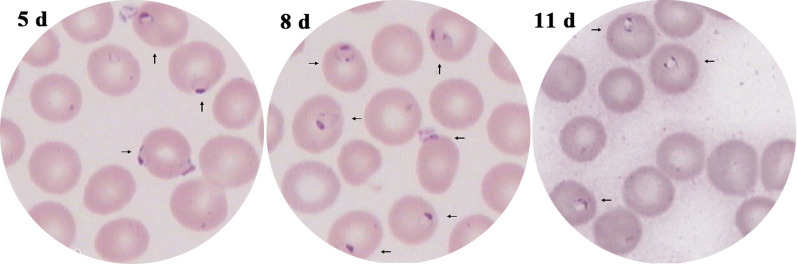
Babesia is a protozoan parasite that infects red blood cells in some vertebrates. Some species of Babesia can induce zoonoses and cause considerable harm. As the largest immune organ in mammals, the spleen plays an important role in defending against Babesia infection. When infected with Babesia, the spleen is seriously injured but still actively initiates immunomodulatory responses.
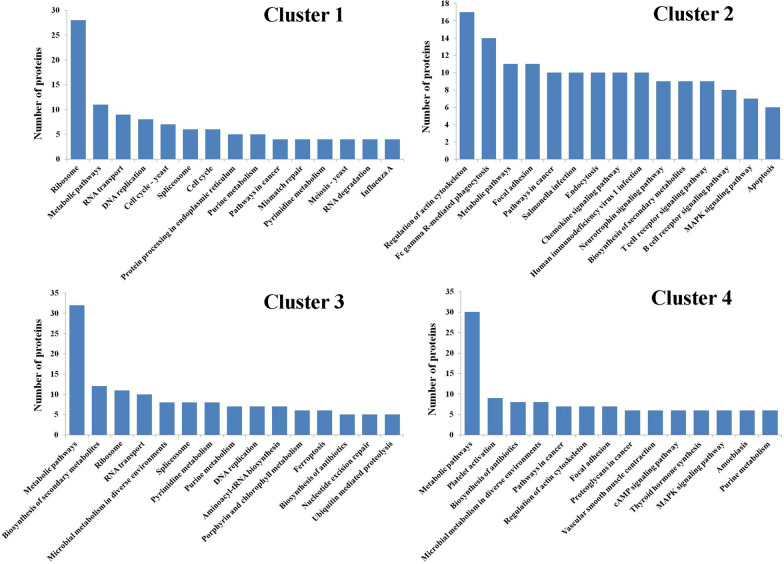
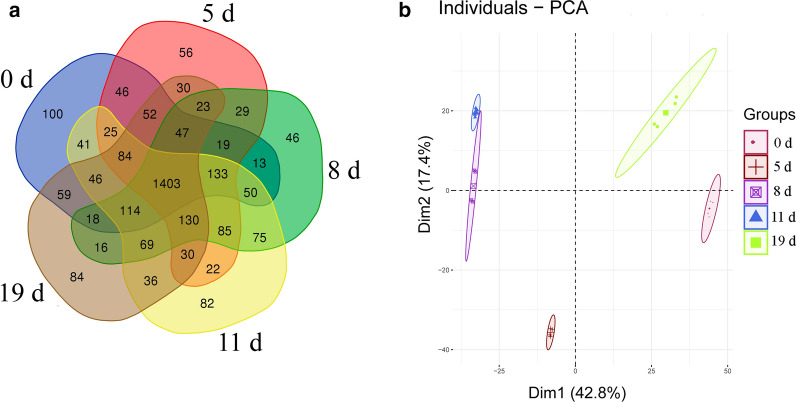
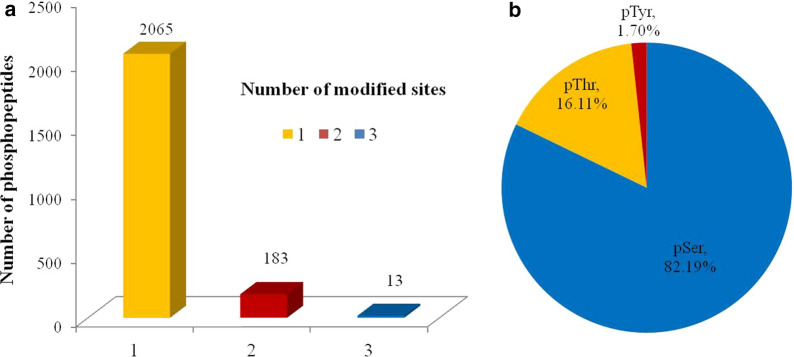
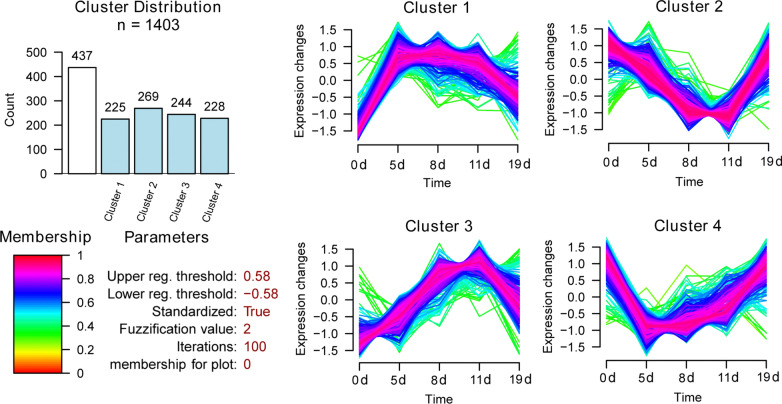
To explore the molecular mechanisms underlying the immune regulation and self-repair of the spleen in response to infection, this study used data-independent acquisition (DIA) quantitative proteomics to analyse changes in expression levels of global proteins and in phosphorylation modification in spleen tissue after Babesia microti infection in mice.
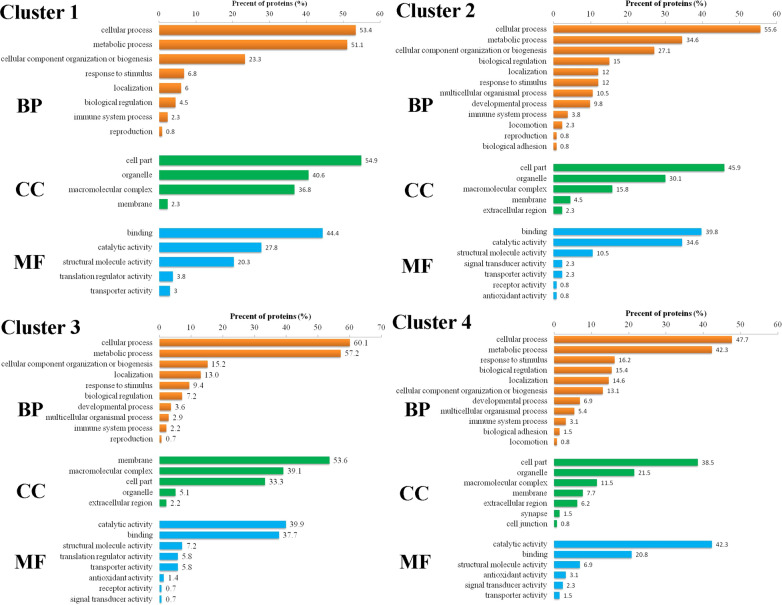
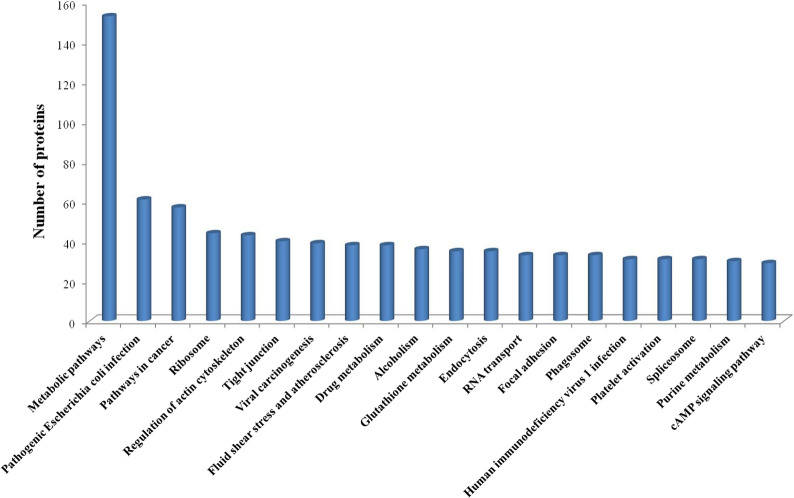
After mice were infected with B. microti, their spleens were seriously damaged. Using bioinformatics methods to analyse dynamic changes in a large number of proteins, we found that the spleen still initiated immune responses to combat the infection, with immune-related proteins playing an important role, including cathepsin D (CTSD), interferon-induced protein 44 (IFI44), interleukin-2 enhancer-binding factor 2 (ILF2), interleukin enhancer-binding factor 3 (ILF3) and signal transducer and activator of transcription 5A (STAT5A). In addition, some proteins related to iron metabolism were also involved in the repair of the spleen after B. microti infection, including serotransferrin, lactoferrin, transferrin receptor protein 1 (TfR1) and glutamate-cysteine ligase (GCL). At the same time, the expression and phosphorylation of proteins related to the growth and development of the spleen also changed, including protein kinase C-δ (PKC-δ), mitogen-activated protein kinase (MAPK) 3/1, growth factor receptor-bound protein 2 (Grb2) and P21-activated kinase 2 (PAK2).
Immune-related proteins, iron metabolism-related proteins and growth and development-related proteins play an important role in the regulation of spleen injury and maintenance of homeostasis. This study provides an important basis for the diagnosis and treatment of babesiosis.
巴贝虫是一种原生动物寄生虫,感染一些脊椎动物的红细胞。一些巴贝虫物种可引起人畜共患病,并造成相当大的危害。脾脏作为哺乳动物中最大的免疫器官,在抵御巴贝虫感染方面发挥着重要作用。当感染巴贝虫时,脾脏会受到严重损伤,但仍会积极启动免疫调节反应。
为了探索脾脏在应对感染时免疫调节和自我修复的分子机制,本研究使用非依赖性采集(DIA)定量蛋白质组学方法分析了感染微小巴贝斯虫后小鼠脾脏组织中全局蛋白表达水平和磷酸化修饰的变化。
感染微小巴贝斯虫后,小鼠的脾脏受到严重损伤。通过生物信息学方法分析大量蛋白质的动态变化,我们发现脾脏仍会启动免疫反应来对抗感染,免疫相关蛋白发挥着重要作用,包括组织蛋白酶 D(CTSD)、干扰素诱导蛋白 44(IFI44)、白细胞介素 2 增强结合因子 2(ILF2)、白细胞介素增强结合因子 3(ILF3)和信号转导和转录激活因子 5A(STAT5A)。此外,一些与铁代谢相关的蛋白质也参与了微小巴贝斯虫感染后脾脏的修复,包括血清转铁蛋白、乳铁蛋白、转铁蛋白受体蛋白 1(TfR1)和谷氨酸-半胱氨酸连接酶(GCL)。同时,与脾脏生长发育相关的蛋白质的表达和磷酸化也发生了变化,包括蛋白激酶 C-δ(PKC-δ)、丝裂原活化蛋白激酶(MAPK)3/1、生长因子受体结合蛋白 2(Grb2)和 P21 激活激酶 2(PAK2)。
免疫相关蛋白、铁代谢相关蛋白和生长发育相关蛋白在调节脾脏损伤和维持内稳态方面发挥着重要作用。本研究为巴贝斯虫病的诊断和治疗提供了重要依据。