Tarragó-Celada Josep, Foguet Carles, Tarrado-Castellarnau Míriam, Marin Silvia, Hernández-Alias Xavier, Perarnau Jordi, Morrish Fionnuala, Hockenbery David, Gomis Roger R, Ruppin Eytan, Yuneva Mariia, Atauri Pedro de, Cascante Marta
Department of Biochemistry and Molecular Biomedicine & Institute of Biomedicine of Universitat de Barcelona, Faculty of Biology, Universitat de Barcelona, 08028 Barcelona, Spain.
Centro de Investigación Biomédica en Red de Enfermedades Hepáticas y Digestivas (CIBEREHD) and Metabolomics Node at Spanish National Bioinformatics Institute (INB-ISCIII-ES-ELIXIR), Instituto de Salud Carlos III (ISCIII), 28020 Madrid, Spain.
Cancers (Basel). 2021 Jan 23;13(3):425. doi: 10.3390/cancers13030425.
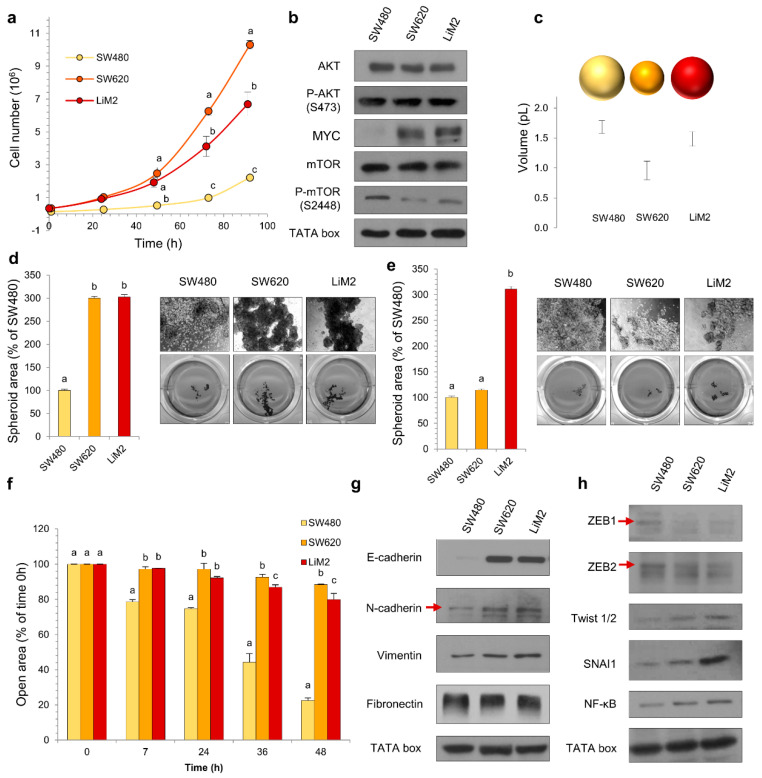
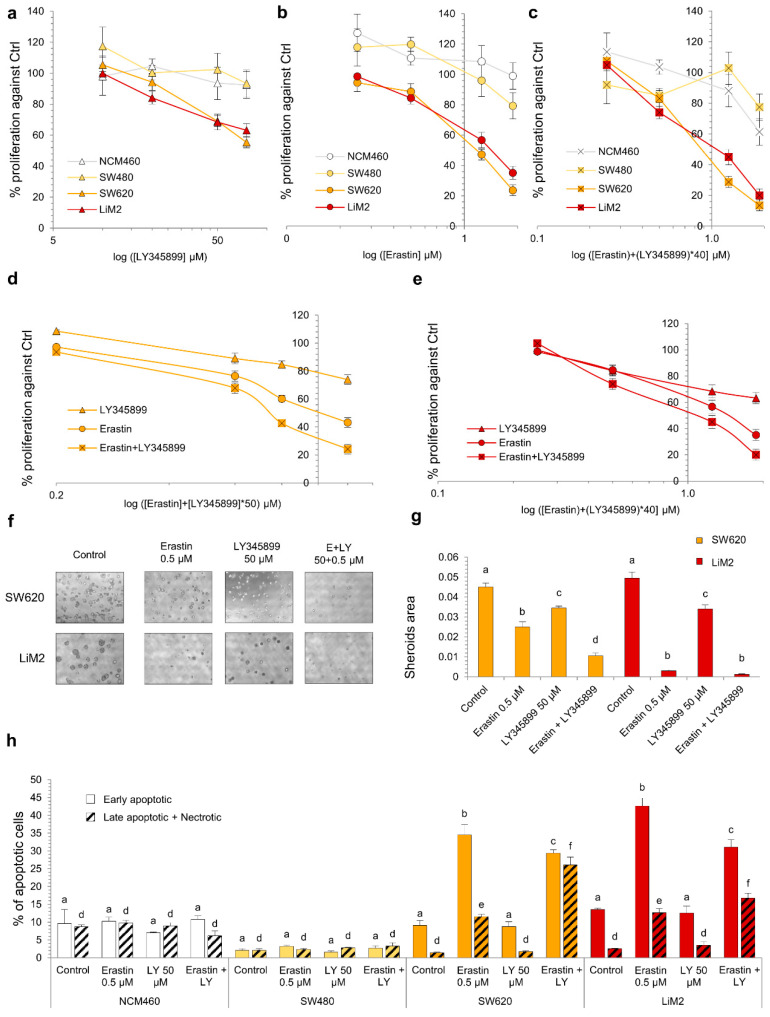
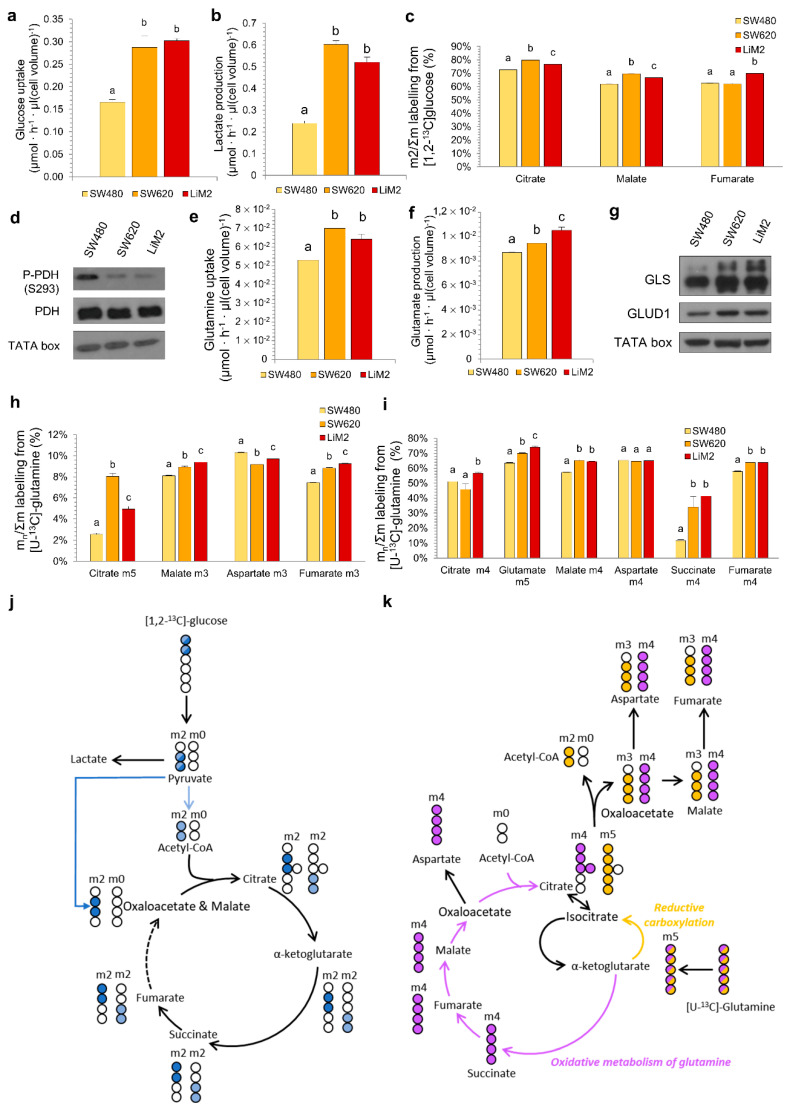
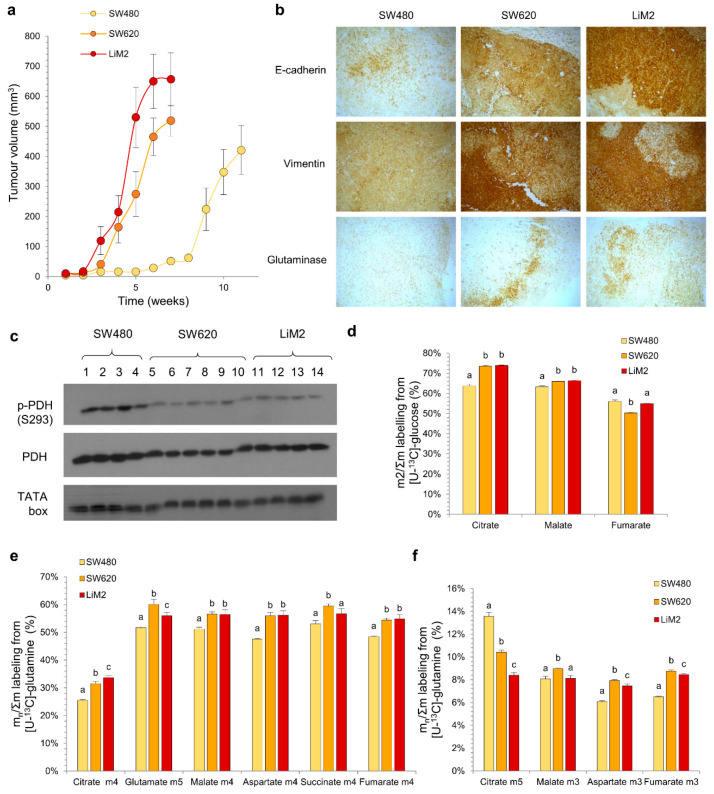
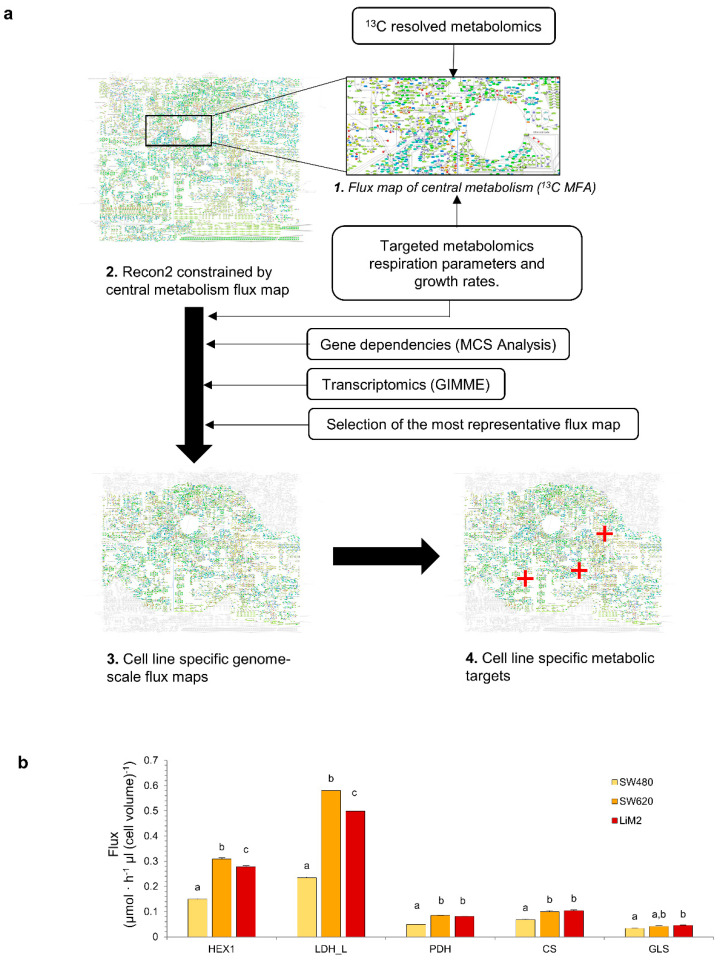
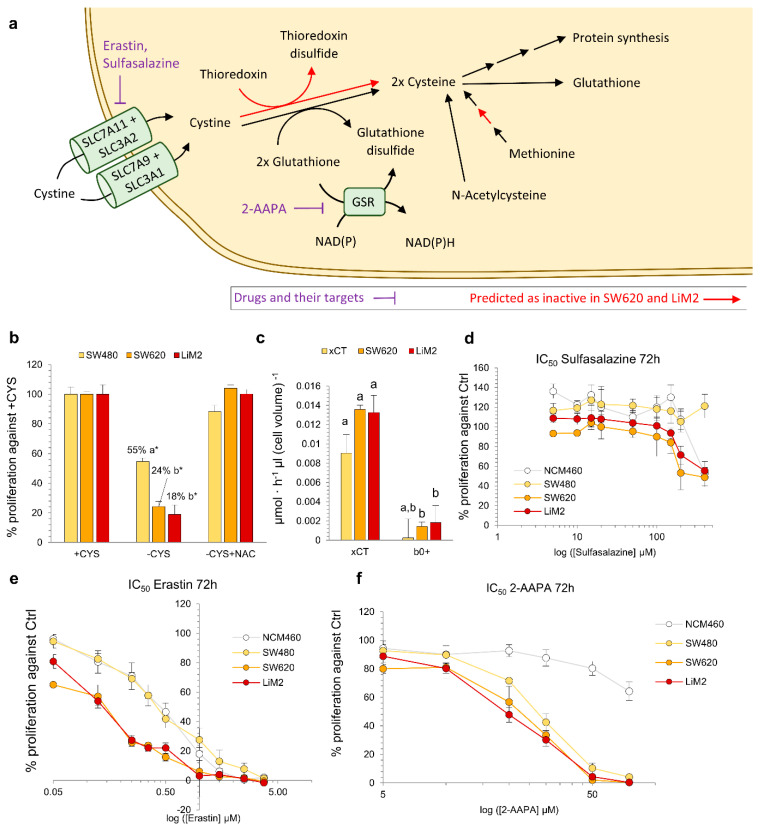
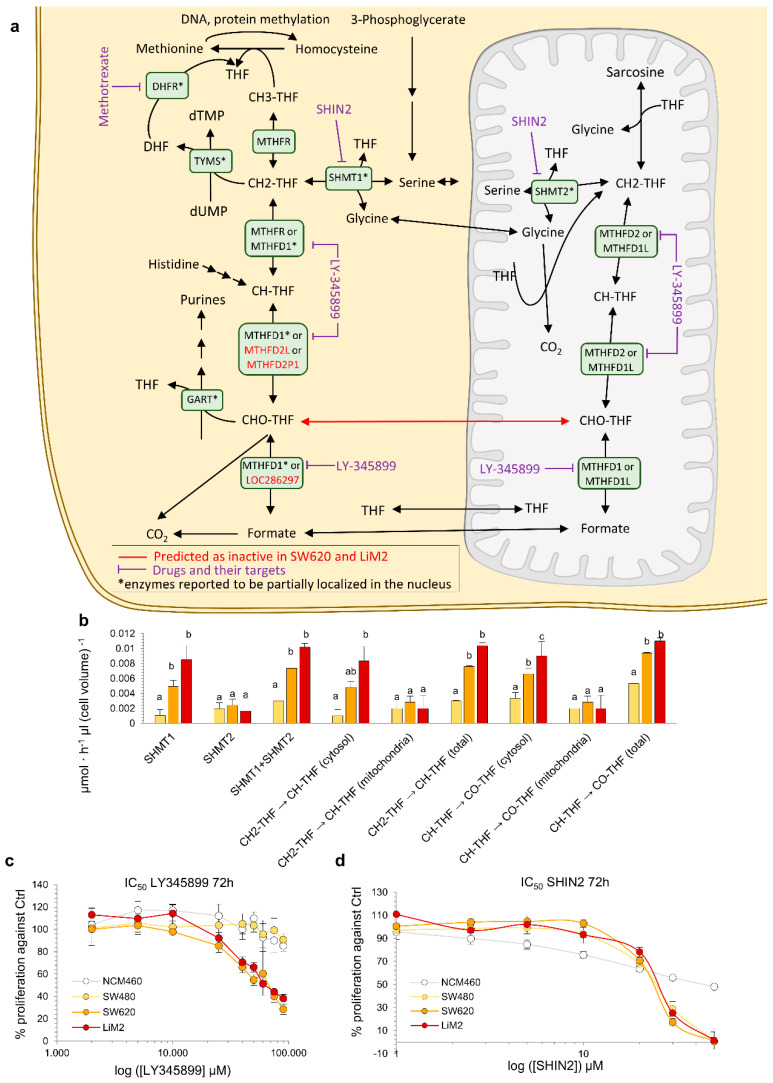
With most cancer-related deaths resulting from metastasis, the development of new therapeutic approaches against metastatic colorectal cancer (mCRC) is essential to increasing patient survival. The metabolic adaptations that support mCRC remain undefined and their elucidation is crucial to identify potential therapeutic targets. Here, we employed a strategy for the rational identification of targetable metabolic vulnerabilities. This strategy involved first a thorough metabolic characterisation of same-patient-derived cell lines from primary colon adenocarcinoma (SW480), its lymph node metastasis (SW620) and a liver metastatic derivative (SW620-LiM2), and second, using a novel multi-omics integration workflow, identification of metabolic vulnerabilities specific to the metastatic cell lines. We discovered that the metastatic cell lines are selectively vulnerable to the inhibition of cystine import and folate metabolism, two key pathways in redox homeostasis. Specifically, we identified the system xCT and MTHFD1 genes as potential therapeutic targets, both individually and combined, for combating mCRC.
由于大多数癌症相关死亡是由转移引起的,因此开发针对转移性结直肠癌(mCRC)的新治疗方法对于提高患者生存率至关重要。支持mCRC的代谢适应性仍不明确,对其进行阐明对于确定潜在治疗靶点至关重要。在此,我们采用了一种策略来合理识别可靶向的代谢脆弱性。该策略首先涉及对来自原发性结肠腺癌(SW480)、其淋巴结转移灶(SW620)和肝转移衍生物(SW620-LiM2)的同患者来源细胞系进行全面的代谢特征分析,其次,使用一种新颖的多组学整合工作流程,识别转移性细胞系特有的代谢脆弱性。我们发现,转移性细胞系对胱氨酸摄取和叶酸代谢的抑制选择性敏感,这是氧化还原稳态中的两个关键途径。具体而言,我们确定系统xCT和MTHFD1基因作为对抗mCRC的潜在治疗靶点,无论是单独使用还是联合使用。